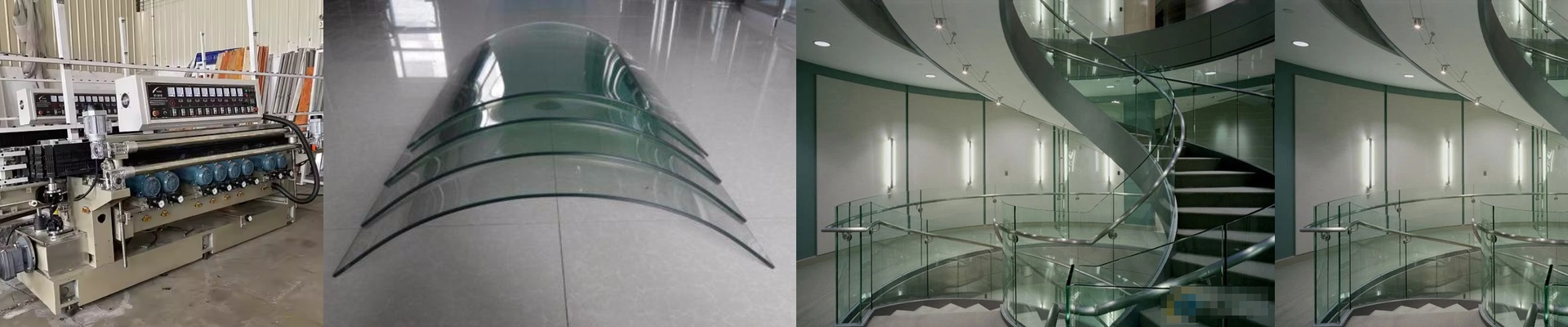
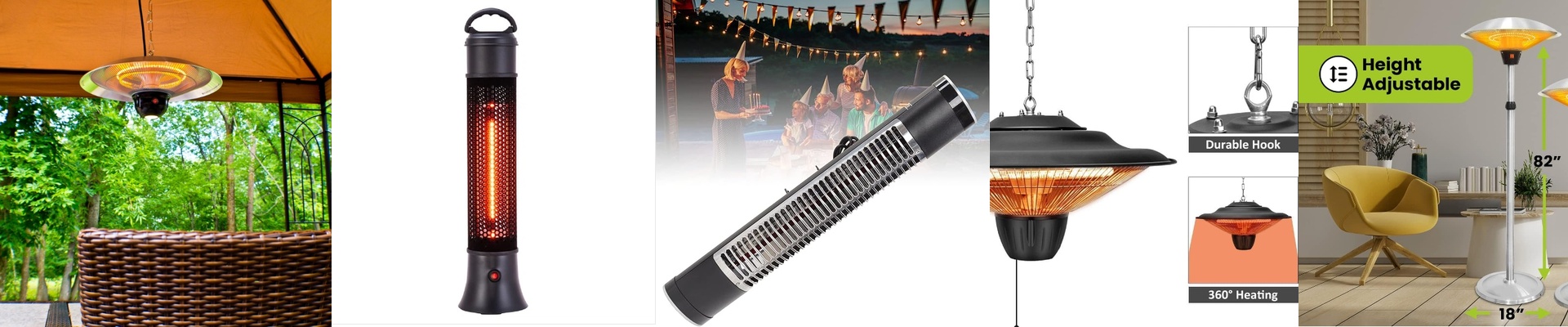
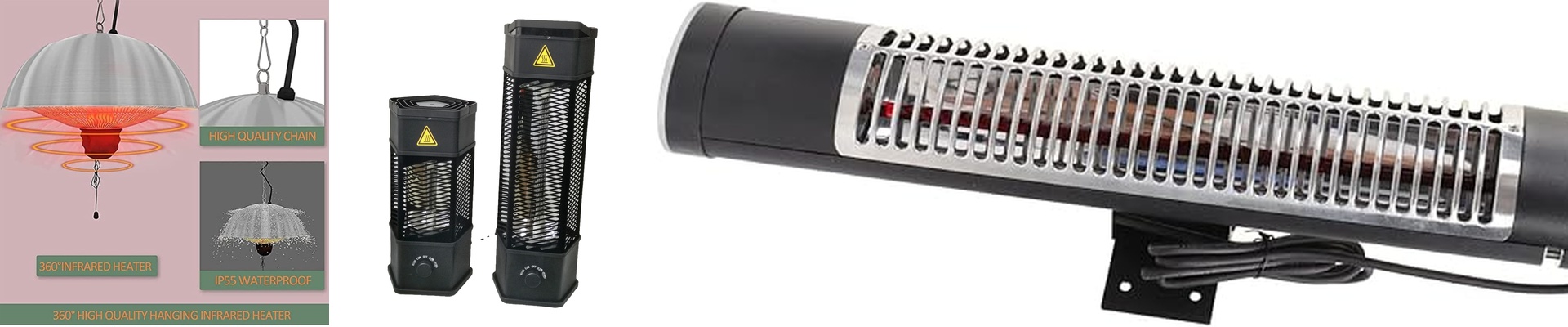
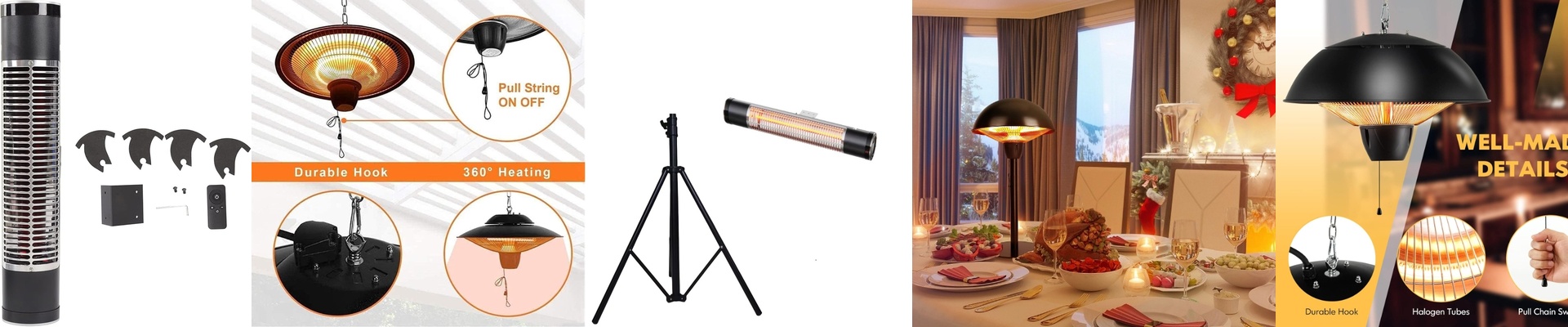
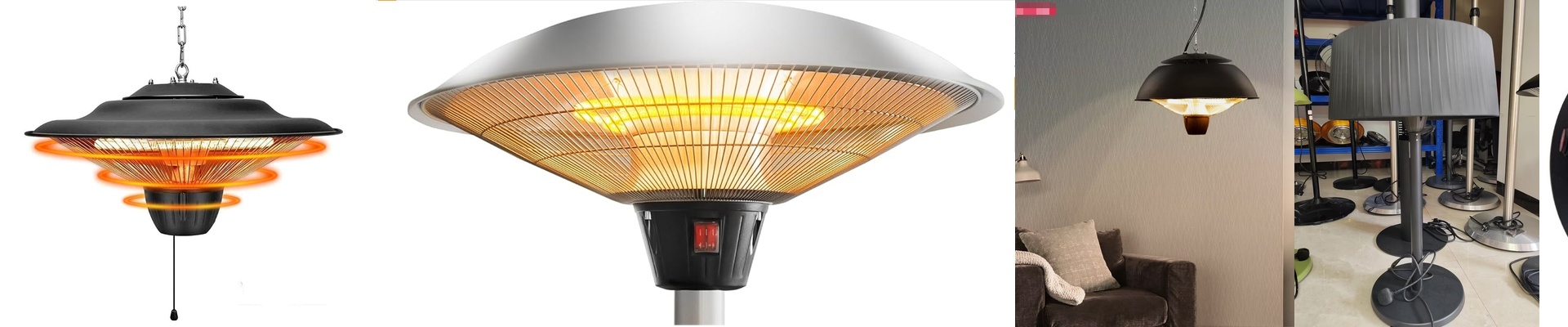
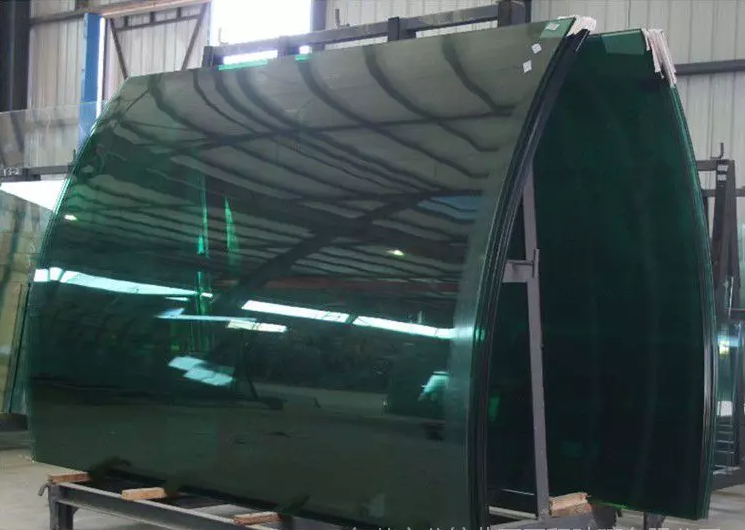
On the decoration line, sublimation printing falls apart the moment the heater is uneven. You get color shifts across the sheet, and worse—micro-craters and thermal stress fractures that kill the whole batch. Out here, the heater isn’t just adding heat. It’s shaping the stress profile in the glass. What actually matters under the hood We run sublimation-on-glass heaters with short-wave quartz elements because they respond fast and give tight control. The whole point is an engineered thermal field: zoned power distribution and a low-thermal-mass design keep setpoint within ±3°C across the active area. That cuts out hot spots that drive differential expansion, and it keeps the substrate below the point where annealing or tempering behavior starts to drift. You get rapid ramp-up, a stable dwell, and repeatable profiles—run after run. Why this approach sticks on glass Sublimation transfer needs a consistent temperature window—long enough for the dye to gas and bond, but not so long the glass surface starts to move. Uniform heat keeps warp and optical distortion out of the picture, and it slashes scrap from thermal stress fractures. The payoff is higher first-pass yield, fewer reprints, and color that stays consistent from the first sheet to the thousandth. Energy use drops, too, because the system hits the profile quickly and holds it without overshoot. What you need to plan for on the floor These heaters are built for glass processing lines, but integration isn’t plug-and-play on every frame. Matching voltage, clearance, mounting points, and the control interface matters—especially when you’re retrofitting older ovens or laminating presses. Budget a short calibration window to dial in emissivity and line speed. Once it’s aligned, the unit runs clean, but it does need stable airflow and clean quartz surfaces to keep uniformity in spec.
সজ্জার লাইনে, যখন হিটার অমেরুদণ্ড হয়, তখনই সাবলিমেশন প্রিন্টিং ভেঙে পড়ে। শিটের পুরো অংশে রঙের বদল দেখা যায়, এবং তাছাড়া—মাইক্রো-ক্রেটার এবং তাপীয় চাপের ফাটল যা পুরো ব্যাচ নষ্ট করে দেয়। এখানে, হিটার শুধুমাত্র তাপ যোগ করছে না, এটি কাচের মধ্যে চাপের প্রোফাইল গঠন করছে।
আসলে হিটারের পিছনের মূল বিষয়
আমরা শর্ট-ওয়েভ কোয়ার্টজ এলিমেন্টযুক্ত সাবলিমেশন-অন-গ্লাস হিটার ব্যবহার করি কারণ এগুলো দ্রুত প্রতিক্রিয়া দেয় এবং নিয়ন্ত্রণ খুব সুনির্দিষ্ট থাকে। সম্পূর্ণ উদ্দেশ্য একটি ইঞ্জিনিয়ার্ড তাপীয় ক্ষেত্র তৈরি করা: জোন ভিত্তিক শক্তি বণ্টন এবং কম-তাপীয় ভর ডিজাইন সক্রিয় এলাকার সমগ্র অংশে সেটপয়েন্টকে ±3°C এর মধ্যে রাখে। এতে সেইসব হট স্পট দূর হয় যা বিভিন্ন সম্প্রসারণ ঘটায়, এবং সাবস্ট্রেট এমন অবস্থানের নিচে থাকে যেখানে অ্যানিলিং বা টেম্পারিং আচরণ বিচ্যুত হতে শুরু করে। আপনি দ্রুত র্যাম্প-আপ, স্থির ডওয়েল এবং পুনরাবৃত্ত প্রোফাইল পেতে পারেন—প্রতি রানেই।
কেন এই পদ্ধতি কাচে কার্যকর থাকে
সাবলিমেশন ট্রান্সফারের জন্য একটি সুষম তাপমাত্রার জানালা আবশ্যক—যতক্ষণ রঙ গ্যাস হয়ে বন্ধনের মধ্যে প্রবেশ করতে পারে, কিন্তু এতদিন নয় যে কাচের পৃষ্ঠ সরতে শুরু করে। সমন্বিত তাপ আঘাত এবং অপটিক্যাল বিকৃতি দূর রাখে, এবং তাপীয় চাপ ফাটল থেকে উৎপাদন বর্জ্য হ্রাস করে। এর ফলে প্রথম পাসে উচ্চ ফলন, কম পুনর্মুদ্রণ এবং প্রথম শিট থেকে হাজারোতম পর্যন্ত রঙের ধারাবাহিকতা অর্জিত হয়। এনার্জি খরচও কমে, কারণ সিস্টেম দ্রুত প্রোফাইল ছোঁয় এবং অতিরিক্ত তাপ ছাড়াই তা ধরে রাখে।
মেঝেতে যা পরিকল্পনা করতে হবে
এই হিটারগুলো কাচ প্রক্রিয়াকরণ লাইনের জন্য নির্মিত, তবে প্রতিটি ফ্রেমেই প্লাগ-অ্যান্ড-প্লে নয়। ভোল্টেজ, ক্লিয়ারেন্স, মাউন্টিং পয়েন্ট এবং নিয়ন্ত্রণ ইন্টারফেসের মিলন অত্যন্ত গুরুত্বপূর্ণ—বিশেষ করে যখন পুরানো ওভেন বা ল্যামিনেটিং প্রেস রেট্রোফিট করছেন। ইমিসিভিটি এবং লাইন গতি পরিমাপের জন্য একটি সংক্ষিপ্ত ক্যালিব্রেশন উইন্ডো বাজেট করুন। একবার ঠিকঠাক সান্বয় হলে, ইউনিট পরিষ্কারভাবে চলে, তবে নির্দিষ্টকরণের মধ্যে সমানতা বজায় রাখতে স্থিতিশীল বাতাস প্রবাহ এবং পরিষ্কার কোয়ার্টজ পৃষ্ঠের প্রয়োজন হয়।