

Why 0.1°C is the Difference Between a Great Flask and a Pile of Shards
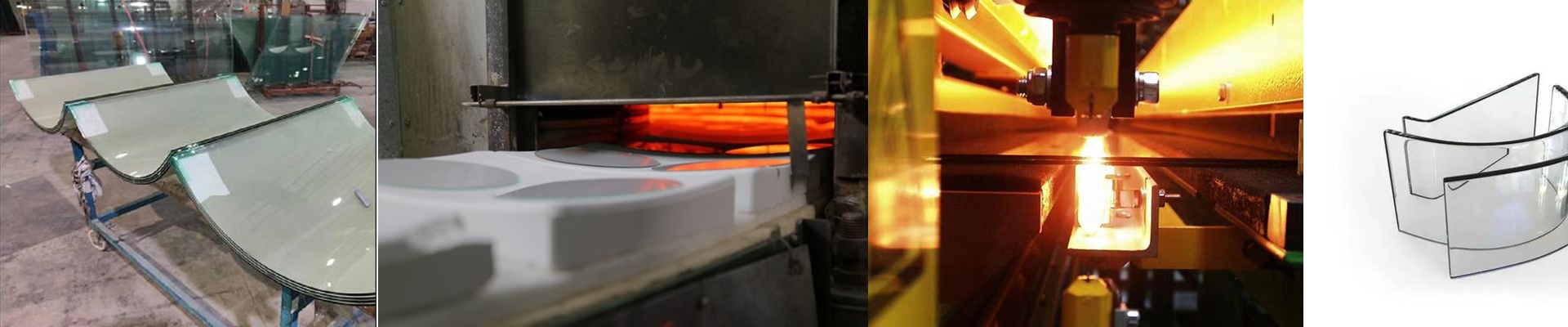
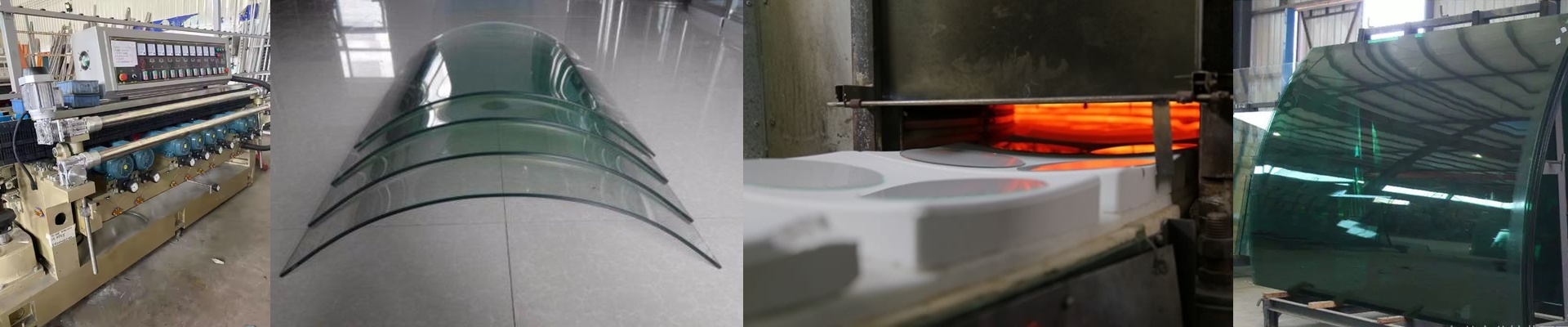
If you’ve ever had a piece of lab glassware just… pop… for no apparent reason, you know the nightmare. One minute you’re working, the next you’re cleaning up a mess of shards. Usually, the culprit is internal stress. It happens when glass cools too fast or unevenly, leaving these invisible “stress pockets” trapped inside. Put that glass under a vacuum or a quick temperature shift, and those pockets turn into cracks. To stop that from happening, we use infrared (IR) heating to hit the annealing point with some seriously tight precision.
The trick to getting the heat right
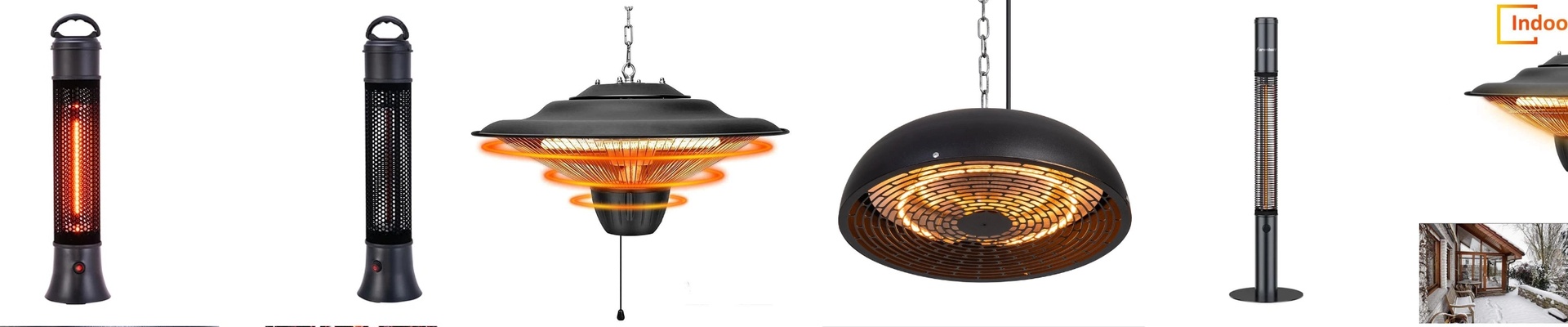
Here’s the thing: annealing is a balancing act. You have to hold the glass at a temperature where it’s soft enough for the internal stress to relax, but not so soft that the whole vessel starts to sag or lose its shape. If your temperature swings by even a few degrees, you’re creating new stress. That’s why we stick with IR elements. They provide direct radiative heat, which means they react instantly. You don’t have to deal with the lag time you get in those big, clunky convection ovens. But the real magic is in the 0.1°C precision. We sync the PID controller and the IR source so the heat doesn’t “overshoot.” If the temperature spikes, you’ve basically just reset the stress cycle. It’s frustrating, and it’s a waste of time.
The hardware headache
We build these systems to be compact and fast. Because IR allows for localized heating, you can actually target the neck or the base of a flask specifically. It’s a lot more surgical. But there’s a catch. To keep that 0.1°C window stable, you need a rock-solid power supply. Any little ripple in your voltage shows up as a temperature swing in the glass. You can’t just plug this into a standard wall outlet and hope for the best. You need a dedicated, filtered power source, or the precision just disappears.
Peace of mind
When the IR heating is dialed in, the glass moves through that critical cooling range slowly and steadily. It lets all that “frozen-in” tension just melt away. The result? Glassware that actually feels solid. It handles thermal shocks and pressure changes without flinching, so you can focus on your work instead of worrying if your equipment is about to explode.