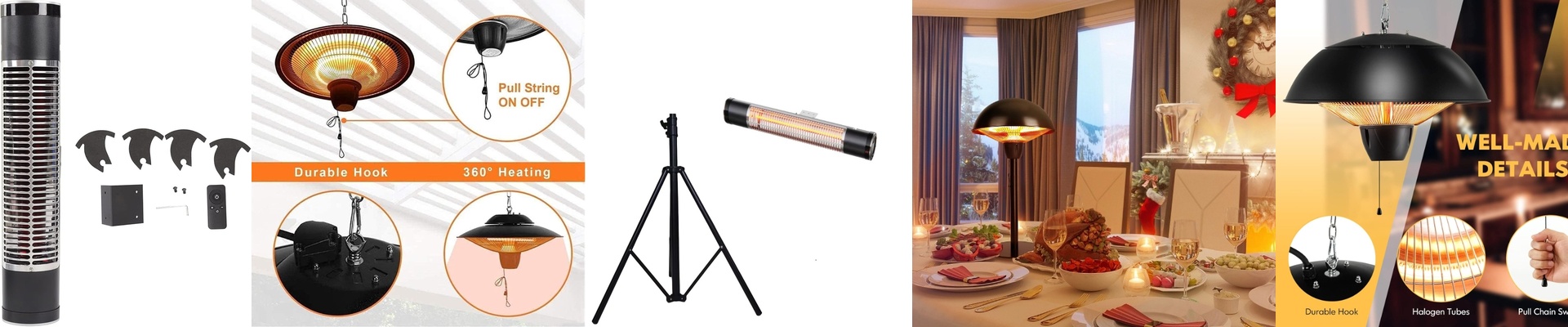
On the glass line, heat isn’t just a temperature reading. It’s timing, uniformity, and repeatability, day after day. When the heating element starts to drift, you feel it everywhere—bending that’s off, tempering that lags, lamination cycles that wander. The R7s infrared heating bulb was built to hold the thermal profile steady, cycle after cycle, so you’re not constantly chasing setpoints.
What matters under the hood
The R7s infrared bulb throws short-wave output into the glass, heating it volumetrically and fast. The emissivity response is sharp, and recovery is quick. Industrial ratings run 1000 W to 3000 W, 120 V or 230 V, in lengths that drop straight into standard R7s fixtures. The quartz envelope takes thermal shock in stride on high-duty-cycle lines, and the dual-end power connection keeps alignment consistent when you’re retrofitting. In practice, you end up with less soak time to hit process temperature and tighter control over the thermal gradient that sets stress in tempered and bent parts.
Why it plays in tempering, bending, lamination, and drying
In tempering and bending, the R7s shortens the ramp to setpoint. That cuts idle time and keeps sag profiles consistent. In lamination and coating drying, the radiant heat lands evenly, so you avoid hot spots and reduce entrapment risk—handy when cosmetic quality is non-negotiable. Energy use drops because the heat goes straight into the glass, and standby losses shrink. Maintenance gets easier, too: fewer start-stop swings mean fewer connector checks, fewer hot-spot inspections, and fewer surprise changeovers.
The practical details
R7s bulbs are simple to install, but alignment is everything. A lamp that isn’t seated right creates uneven heating and can knock the lifespan down fast. Check fixture tolerances, verify voltage at the terminals, and match the lamp to a control strategy that respects inrush behavior. Push voltage too far or cycle on/off too often and life shortens—plan scheduled replacements that line up with your preventive maintenance.
บนสายการผลิตกระจก ความร้อนไม่ใช่แค่การวัดอุณหภูมิเท่านั้น แต่หมายถึงการควบคุมเวลา ความสม่ำเสมอ และความสามารถในการทำซ้ำได้อย่างต่อเนื่องในแต่ละวัน เมื่อองค์ประกอบความร้อนเริ่มมีการเปลี่ยนแปลง จะส่งผลกระทบในทุกขั้นตอน—การดัดที่ไม่ถูกต้อง การเทมเปอร์ที่ล่าช้า และรอบการลามิเนชันที่คลาดเคลื่อน หลอดไฟอินฟราเรด R7s ถูกออกแบบมาเพื่อรักษาโปรไฟล์ความร้อนให้นิ่งในทุก ๆ รอบการทำงาน เพื่อไม่ให้ต้องคอยปรับตั้งค่าบ่อยครั้ง
สิ่งที่สำคัญภายใน
หลอดไฟอินฟราเรด R7s ปล่อยพลังงานคลื่นสั้นเข้าสู่กระจก ทำให้ความร้อนแผ่กระจายอย่างรวดเร็วและทั่วถึง การตอบสนองต่อการแผ่รังสีมีความแม่นยำสูงและฟื้นตัวได้รวดเร็ว กำลังไฟในระดับอุตสาหกรรมอยู่ระหว่าง 1000 W ถึง 3000 W ใช้แรงดันไฟฟ้า 120 V หรือ 230 V โดยมีความยาวที่สามารถติดตั้งได้ตรงกับอุปกรณ์มาตรฐาน R7s เคลือบควอตซ์ทนต่อความร้อนกระทันหันได้ดีในสายการผลิตที่มีรอบการทำงานสูง และการเชื่อมต่อไฟฟ้าทั้งสองด้านช่วยรักษาการจัดตำแหน่งให้คงที่เมื่อมีการดัดแปลง ตลอดจนใช้เวลาจุ่มความร้อนน้อยลงเพื่อให้ถึงอุณหภูมิที่ต้องการและควบคุมความต่างอุณหภูมิซึ่งเป็นสาเหตุของความเครียดในชิ้นส่วนเทมเปอร์และดัดได้อย่างเข้มงวด
เหตุผลที่ใช้ในกระบวนการเทมเปอร์ ดัด ลามิเนชัน และการอบแห้ง
ในกระบวนการเทมเปอร์และดัด หลอดไฟ R7s ช่วยลดเวลาการเพิ่มอุณหภูมิถึงจุดตั้งค่า ทำให้ลดเวลาที่เครื่องไม่ทำงานและรักษารูปแบบการหย่อนตัวให้คงที่ ในการลามิเนชันและอบแห้งเคลือบ ความร้อนจากรังสีจะกระจายอย่างสม่ำเสมอ ช่วยป้องกันจุดร้อนและลดความเสี่ยงจากการดักจับอากาศ ซึ่งสำคัญเมื่อคุณภาพภายนอกไม่สามารถต่อรองได้ การใช้พลังงานลดลงเนื่องจากความร้อนถูกส่งตรงเข้าสู่กระจก และการสูญเสียขณะรอทำงานลดลง การบำรุงรักษาง่ายขึ้นด้วย เนื่องจากจำนวนน้อยของการสตาร์ท-หยุด หมายถึงการตรวจสอบขั้วต่อและการตรวจสอบจุดร้อนน้อยลง รวมทั้งการเปลี่ยนชิ้นส่วนโดยไม่คาดคิดลดลง
รายละเอียดเชิงปฏิบัติ
หลอดไฟ R7s ติดตั้งง่าย แต่การจัดตำแหน่งมีความสำคัญสูง หลอดที่ติดตั้งไม่ถูกต้องจะทำให้ความร้อนไม่สม่ำเสมอและอายุการใช้งานลดลงอย่างรวดเร็ว ควรตรวจสอบค่าความคลาดเคลื่อนของอุปกรณ์ ยืนยันแรงดันไฟฟ้าที่ขั้ว และเลือกหลอดไฟให้สอดคล้องกับกลยุทธ์การควบคุมที่คำนึงถึงพฤติกรรมกระแสไฟฟ้าเริ่มต้น หากดันแรงดันไฟฟ้าสูงเกินไปหรือสลับเปิด-ปิดบ่อยเกินไปจะทำให้อายุการใช้งานสั้นลง ควรวางแผนการเปลี่ยนหลอดไฟตามรอบการบำรุงรักษาเชิงป้องกันอย่างเหมาะสม