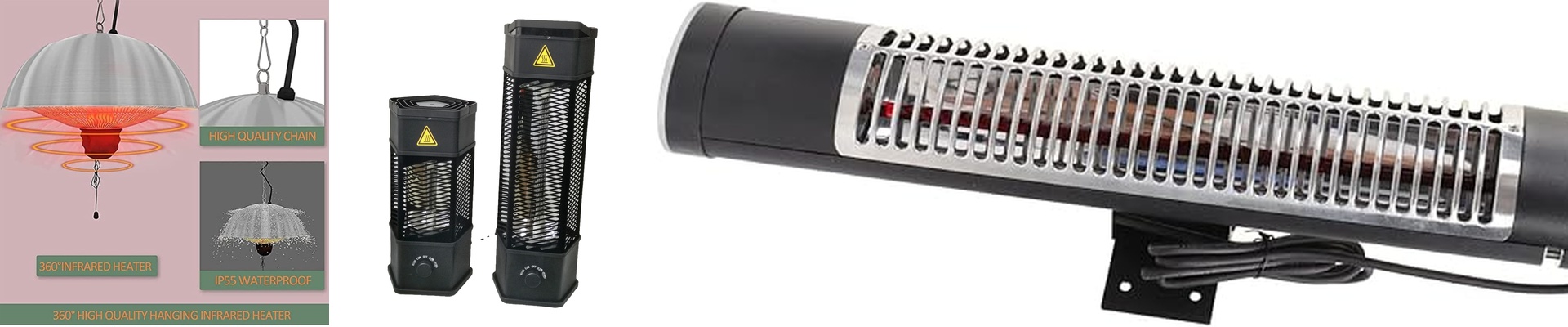
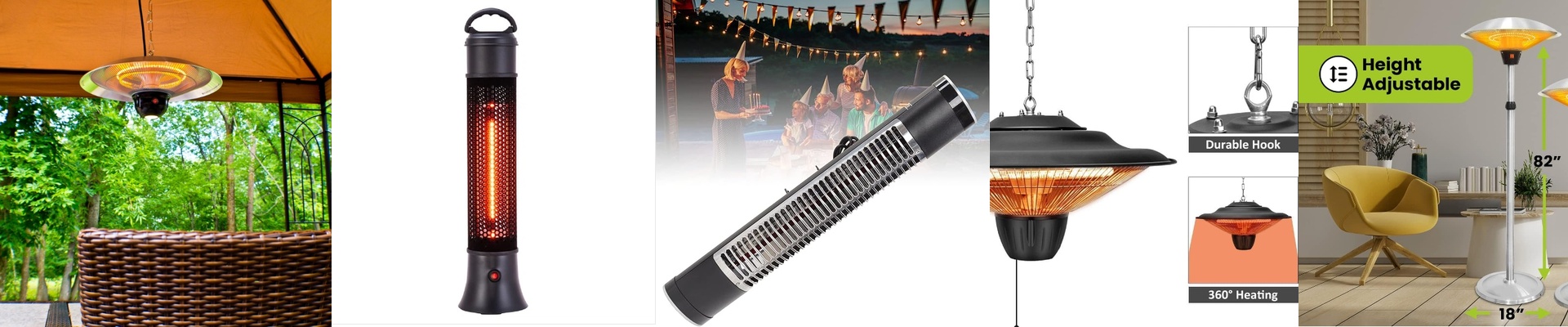
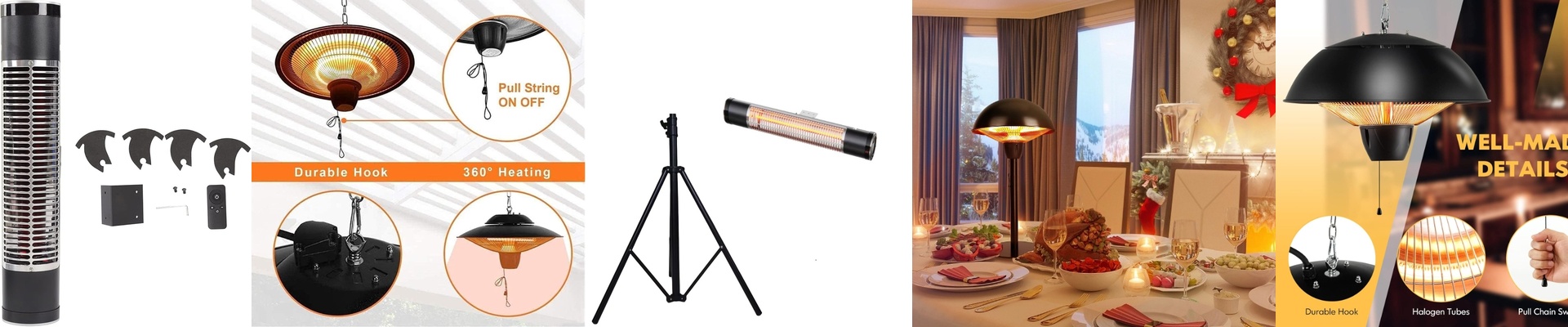
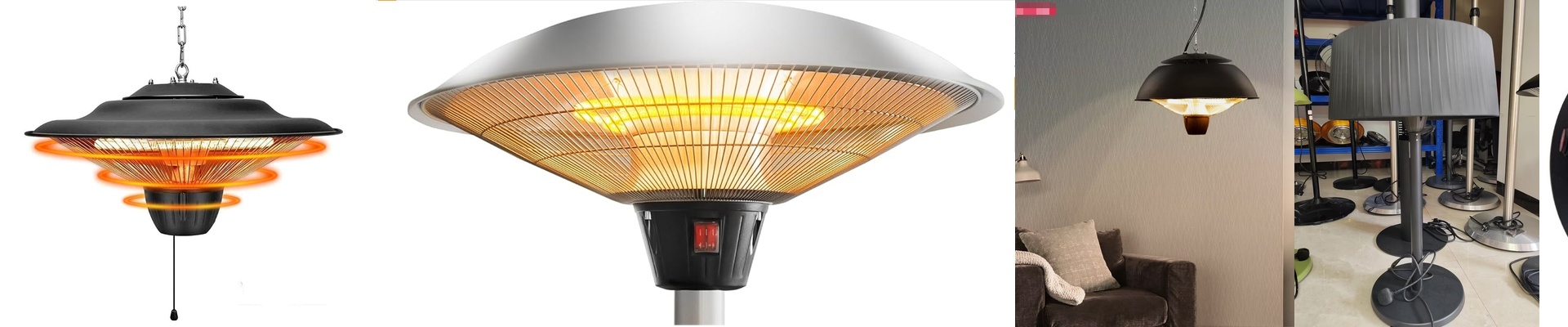
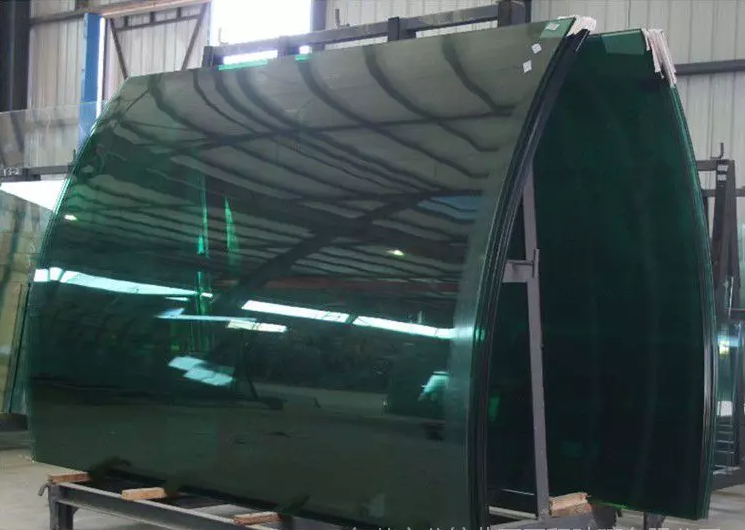
On the decoration line, sublimation printing falls apart the moment the heater is uneven. You get color shifts across the sheet, and worse—micro-craters and thermal stress fractures that kill the whole batch. Out here, the heater isn’t just adding heat. It’s shaping the stress profile in the glass. What actually matters under the hood We run sublimation-on-glass heaters with short-wave quartz elements because they respond fast and give tight control. The whole point is an engineered thermal field: zoned power distribution and a low-thermal-mass design keep setpoint within ±3°C across the active area. That cuts out hot spots that drive differential expansion, and it keeps the substrate below the point where annealing or tempering behavior starts to drift. You get rapid ramp-up, a stable dwell, and repeatable profiles—run after run. Why this approach sticks on glass Sublimation transfer needs a consistent temperature window—long enough for the dye to gas and bond, but not so long the glass surface starts to move. Uniform heat keeps warp and optical distortion out of the picture, and it slashes scrap from thermal stress fractures. The payoff is higher first-pass yield, fewer reprints, and color that stays consistent from the first sheet to the thousandth. Energy use drops, too, because the system hits the profile quickly and holds it without overshoot. What you need to plan for on the floor These heaters are built for glass processing lines, but integration isn’t plug-and-play on every frame. Matching voltage, clearance, mounting points, and the control interface matters—especially when you’re retrofitting older ovens or laminating presses. Budget a short calibration window to dial in emissivity and line speed. Once it’s aligned, the unit runs clean, but it does need stable airflow and clean quartz surfaces to keep uniformity in spec.
ในสายการตกแต่ง การพิมพ์แบบซับลิเมชันจะแตกสลายทันทีเมื่อฮีตเตอร์มีความร้อนไม่สม่ำเสมอ ทำให้เกิดการเปลี่ยนแปลงสีตลอดทั้งแผ่น และแย่กว่านั้นคือเกิดรอยคล้ายหลุมจิ๋วและรอยร้าวจากความเครียดทางความร้อนที่ทำลายทั้งชุด ในการใช้งานนี้ ฮีตเตอร์ไม่ได้แค่เติมความร้อนเข้าไป แต่กำหนดรูปแบบความเครียดในกระจกด้วย
สิ่งที่สำคัญจริงๆ ในระบบ
เราใช้ฮีตเตอร์สำหรับซับลิเมชันบนกระจกที่มีองค์ประกอบควอร์ตซ์คลื่นสั้น เพราะตอบสนองรวดเร็วและควบคุมได้อย่างแม่นยำ จุดประสงค์หลักคือการสร้างสนามความร้อนที่ออกแบบมาเฉพาะ: การแจกจ่ายพลังงานเป็นโซน และการออกแบบให้มวลความร้อนต่ำเพื่อรักษาค่าจุดตั้งเป้าไว้ภายใน ±3°C ทั่วทั้งพื้นที่ใช้งาน วิธีนี้ช่วยตัดจุดร้อนที่ทำให้เกิดการขยายตัวไม่เท่ากัน และรักษาวัสดุรองรับให้อยู่ต่ำกว่าจุดที่พฤติกรรมการอบอ่อนหรือการอบแข็งเริ่มเปลี่ยนแปลง คุณจะได้การเร่งความร้อนเร็ว การคงอุณหภูมิที่เสถียร และโปรไฟล์ที่ทำซ้ำได้—รันแล้วรันเล่า
เหตุผลที่วิธีนี้เหมาะกับกระจก
การถ่ายโอนซับลิเมชันต้องการช่วงอุณหภูมิที่คงที่—นานพอให้สารสีระเหยและจับกันได้ดี แต่ไม่ยาวจนผิวกระจกเริ่มขยับ ความร้อนที่สม่ำเสมอช่วยป้องกันการบิดเบี้ยวและความผิดเพี้ยนทางแสง และลดของเสียจากรอยร้าวความเครียดทางความร้อน ผลลัพธ์คืออัตราผลผลิตในครั้งแรกที่สูงขึ้น จำนวนการพิมพ์ซ้ำที่ลดลง และสีที่ยังคงสม่ำเสมอตั้งแต่แผ่นแรกจนถึงแผ่นที่พัน การใช้พลังงานก็ลดลงด้วยเพราะระบบทำโปรไฟล์ได้เร็วและรักษาอุณหภูมิโดยไม่เกินจุดตั้งเป้า
สิ่งที่ต้องเตรียมวางแผนในโรงงาน
ฮีตเตอร์เหล่านี้ถูกออกแบบมาสำหรับสายการผลิตกระจก แต่การติดตั้งไม่ได้เป็นแบบเสียบแล้วใช้งานได้ทันทีในทุกเฟรม ต้องคำนึงถึงแรงดันไฟฟ้า ระยะห่าง จุดยึด และอินเทอร์เฟซควบคุมให้เหมาะสม—โดยเฉพาะในกรณีที่ต้องเปลี่ยนฮีตเตอร์ในเตาอบหรือเครื่องพิมพ์ลามิเนตรุ่นเก่า ควรเผื่อเวลาสั้นๆ สำหรับการปรับค่าสัมประสิทธิ์การแผ่รังสีและความเร็วสายการผลิต เมื่อเซ็ตค่าถูกต้องแล้ว อุปกรณ์จะทำงานสะอาดแต่ยังต้องรักษาการไหลของอากาศให้เสถียรและพื้นผิวควอร์ตซ์สะอาดเพื่อรักษาความสม่ำเสมอให้อยู่ในสเปก