



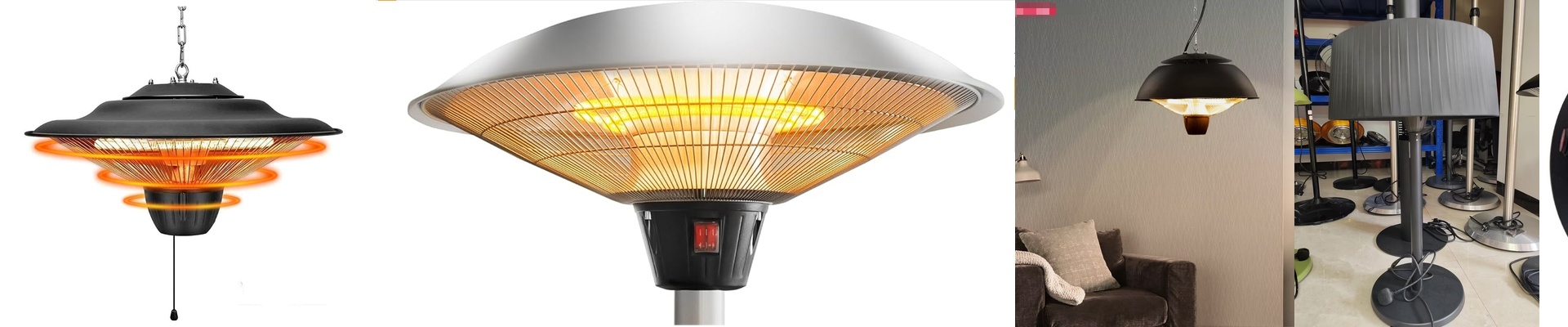
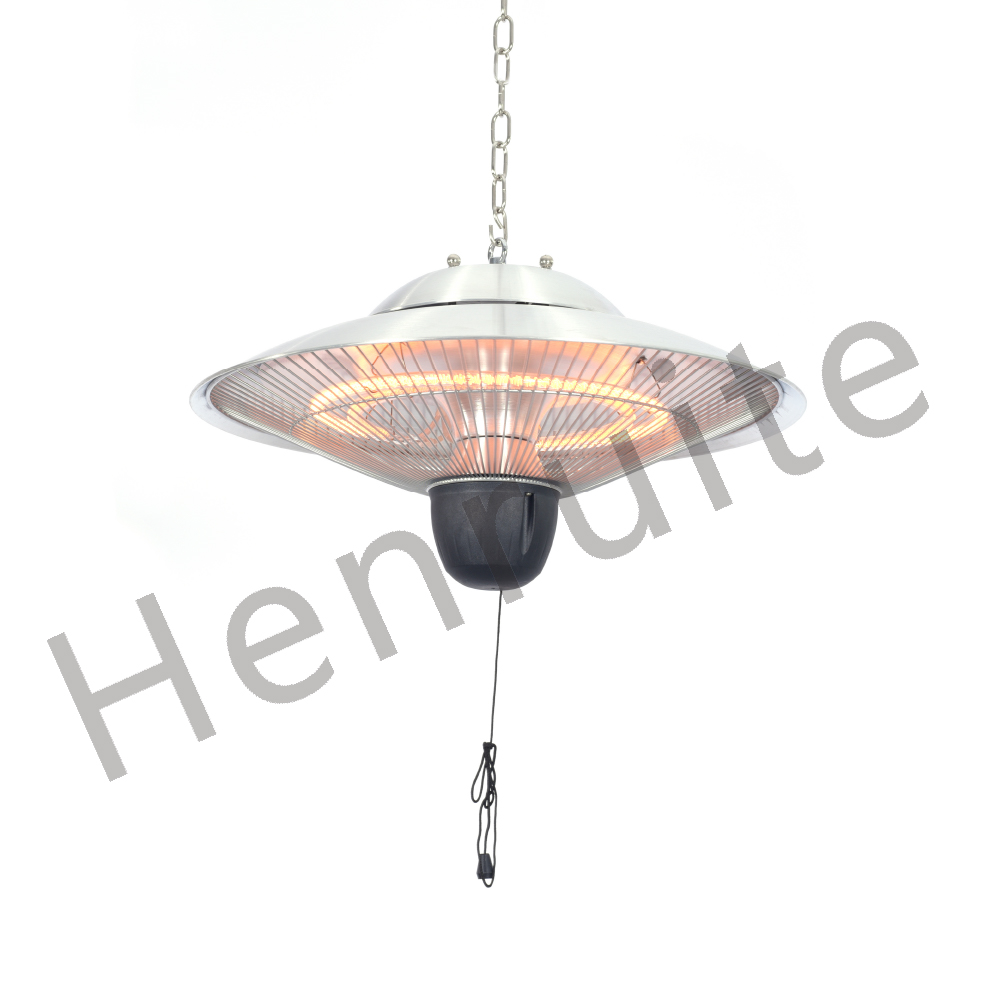
If you deal with seasonal allergies, winter heating usually feels like a trade-off: you get warmth, but your comfort pays the price. Forced-air systems kick up dust and suck moisture out of the room, and that’s when sinuses start to sting and eyes get itchy. The fix is a different approach—heat that warms people and surfaces directly, without moving air around.
What matters under the hood
We build our infrared electric heaters around a carbon fiber element that puts out medium-wave infrared warmth. It’s radiant heat, so it warms you and your furnishings the same way sunlight does—without trying to heat the air itself. No blowers, no ducts, no dry, dusty drafts. The unit runs quiet because there’s no fan to listen to, and it comes on fast—heat within seconds. Add an adjustable thermostat and standard 120V plug compatibility, and you get precise comfort that fits cleanly into living rooms, bedrooms, and sunrooms.
Why this works for allergy-prone homes
Households that are sensitive to allergens need heat that doesn’t wreck indoor air quality. Because our infrared heaters don’t circulate air, they don’t stir up dust, pollen, or pet dander and send it into your breathing zone. The warmth is even and gentle, so humidity levels stay more comfortable. That means your nose, throat, and skin don’t feel parched. You get a cozy room without the irritation—and without the constant fan hum. It’s clean, quiet heat that lets you breathe easier and settle in.
The practical details
Infrared heating is directional, so placement matters. Aim the heater to cover the main seating area, and use it as primary heat or as a supplement to what you already have. The surface stays warm to the touch, so keep it out of reach of kids and pets, and leave clearance from curtains and furniture. It performs especially well in well-insulated rooms, and it pairs nicely with other heating systems to trim overall energy use. Just keep this in mind: for whole-home heating, infrared shines as part of a layered strategy.