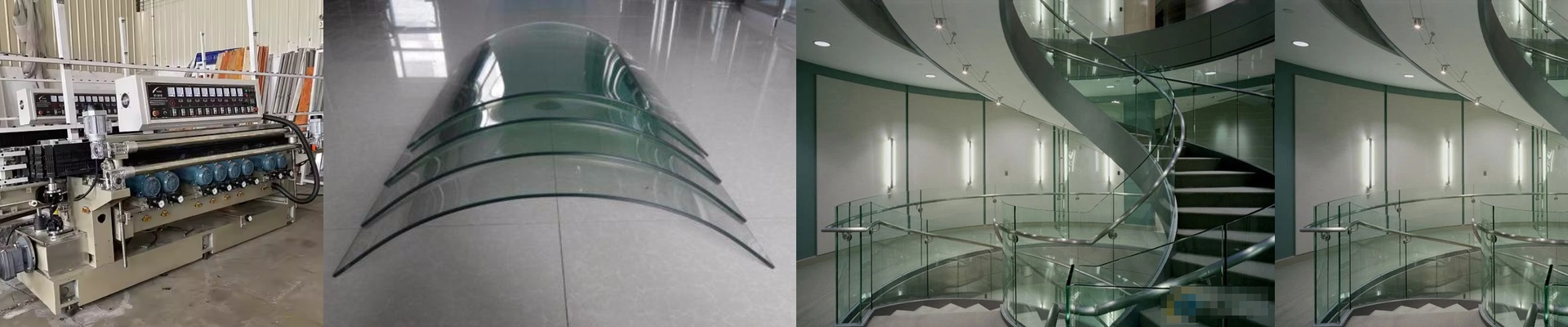
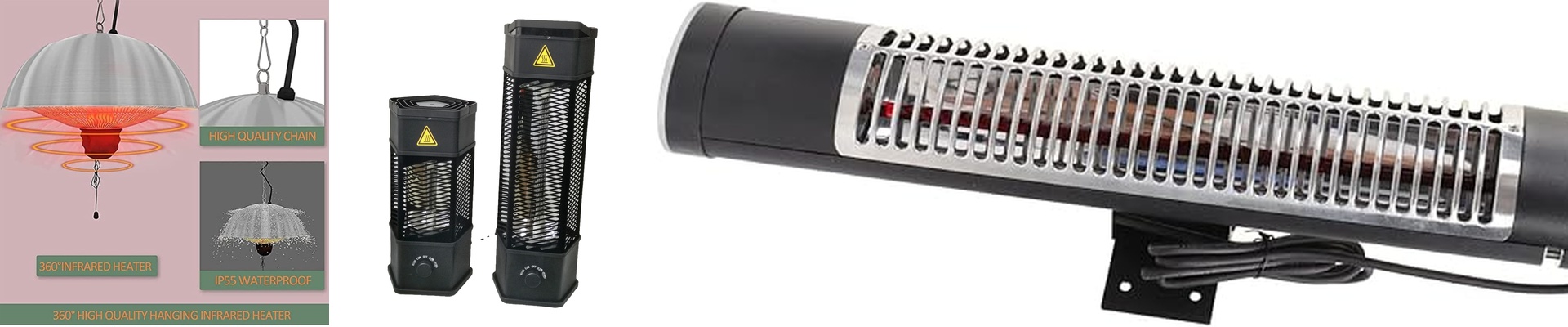
On the insulating glass line, you live and die by that sealant window. If the heat profile wanders, you end up with uneven cure—porosity along the bead, adhesion that falls off, and service calls you can’t afford. We built the UV and IR sealant curing modules to stay inside that window shift after shift, because the line doesn’t care about theory—it runs against real glass: tempering schedules, bending geometry, coating sensitivity, and the need for cycles that are fast and repeatable. What matters, technically We combine short-wave IR and UV in one modular zone so the sealant surface skins fast without trapping volatiles. Quartz elements give you quick response and stable output under 24/7 duty, and the reflector geometry lays down a uniform thermal field across the bead. That translates to surface temperature control within ±3°C, with ramp rates that keep up with high-throughput sealing. Power is sized for industrial loads, and the module drops in where most OEM heating stations sit—standard voltages, industrial connectors, no surprises. Here’s why it holds up in practice: insulating glass sealing demands speed, but you can’t trade bond integrity to get it. The heating profile pushes the initial skin cure quickly, then holds a controlled soak to finish crosslinking without overheating the primary seal. The payoff is shorter cycles, less scrap from under-cured beads, and less thermal stress on the glass. And the same setup plays nicely with adjacent steps—coating drying and lamination preheat—because you can tune it to how the material responds. Crank it up for thin films, back it off for thick interlayers, and run it confidently on tempered and bent lites. A few shop-floor notes Installation is straightforward, but integration is where you earn it. Match conveyor speed, dwell length, and the emissivity of the glass stack. Keep clearance to the sealant bead consistent; otherwise you’ll chase local hot spots. Expect a short burn-in period to lock the setpoint, and keep spare lamps on the shelf for planned maintenance. When the heat stays repeatable, the line runs calmer—fewer rejects, fewer stops.