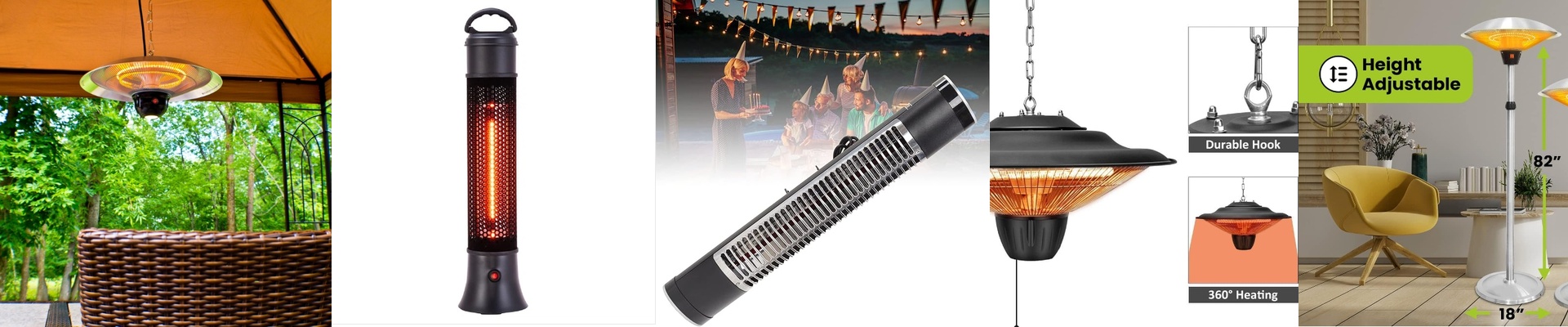
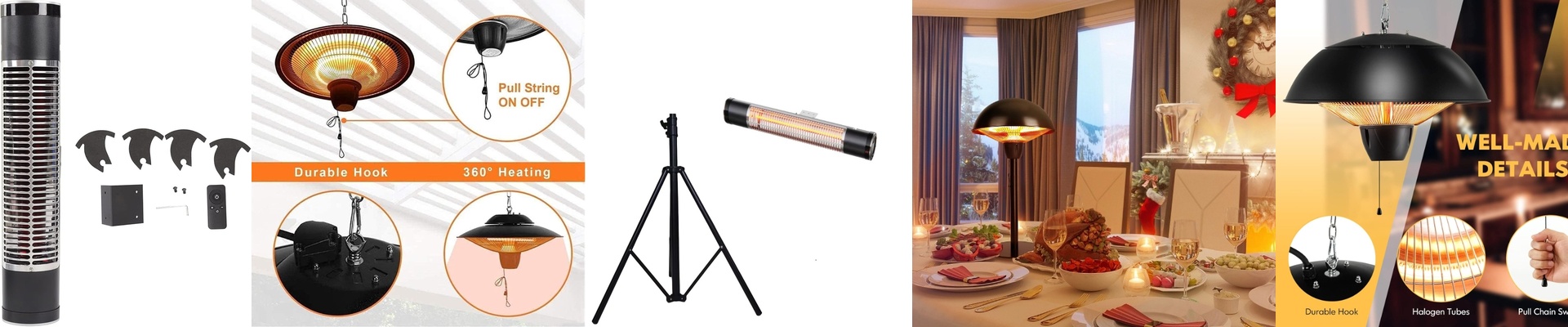
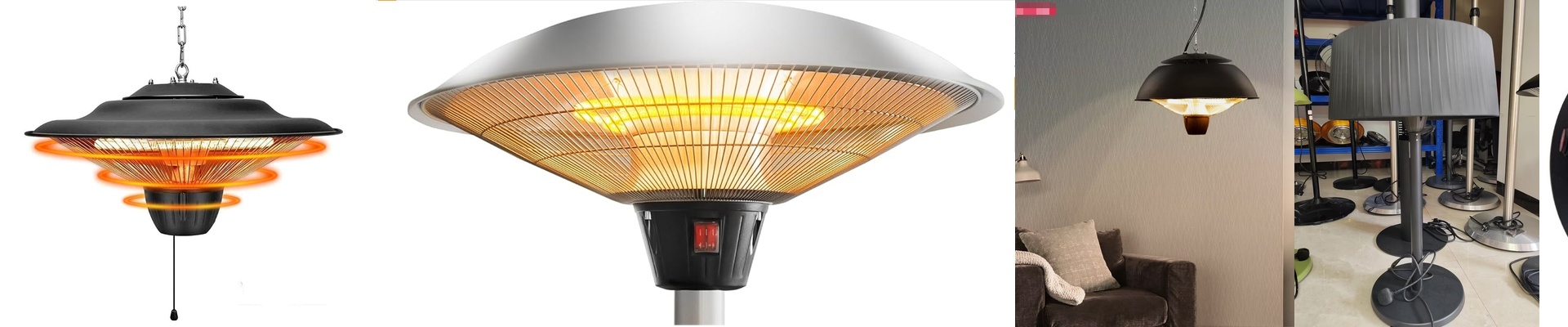
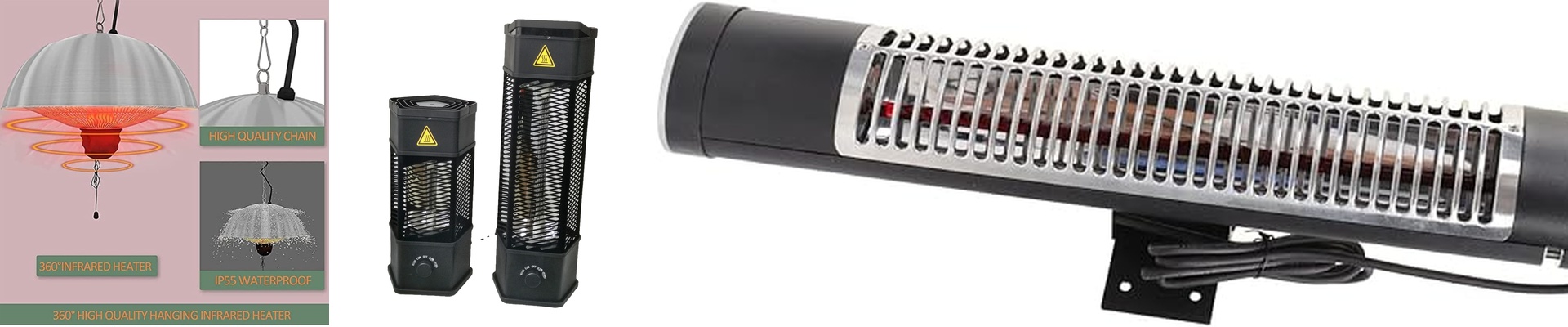
On the factory floor, cold isn’t just uncomfortable—it slows everything down. Hands get stiff, materials get stubborn, and throughput takes a hit. When the workshop heater can’t keep up, you pay for it in wasted minutes, shaky quality, and energy bills that keep climbing. We built our infrared workshop heaters to be more than a heat source. They’re a practical tool for managing heat the way a shop actually runs.
What matters under the hood
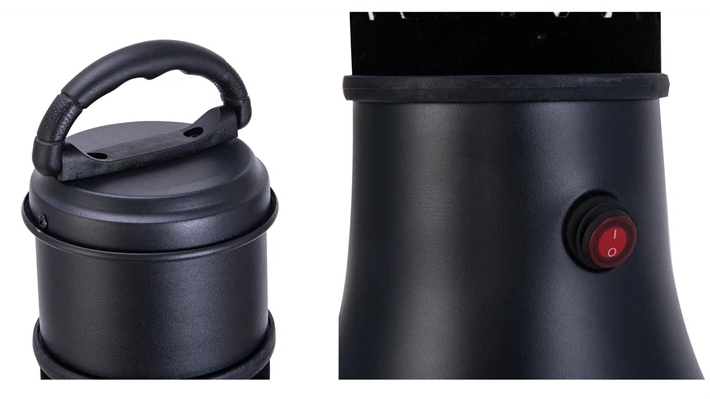
This heater throws instant radiant warmth using a high-output infrared element. It heats objects and people directly, instead of wasting energy trying to warm air that just rises and leaks out. Match the power to your space—available in configurations that line up with common workshop voltages—so you’re not stressing circuits. A built-in thermostat keeps the output steady, and the outer housing is tough enough to live with dust, vibration, and the everyday bumps of a working floor.
Why this fits a workshop
In a shop, comfort and uptime are the same thing. With infrared warmth, people feel heat the moment the unit kicks on. No waiting around for the space to “feel” usable. That means fewer pauses for gloves, fewer mistakes from cold-stiffened hands, and a steadier pace through the day. Because the heat is focused on people and work—not the ceiling—you can get the right feel with less total energy. For partners, that’s a simpler, cleaner way to manage heat without chasing hot spots and drafts.
The details that make the difference
**Infrared works best with a clear line of sight.**High shelves, stacked stock, and machinery can cast “shadows,” and that’s where the warmth won’t reach. Plan coverage around workstations and walkways, and match the heater’s output to your ceiling height. Also, radiant heat warms surfaces directly. Make sure nearby materials can handle that direct warmth, and keep the unit placed where airflow is adequate.