

Making Bathroom IR Heaters That Actually Feel Safe
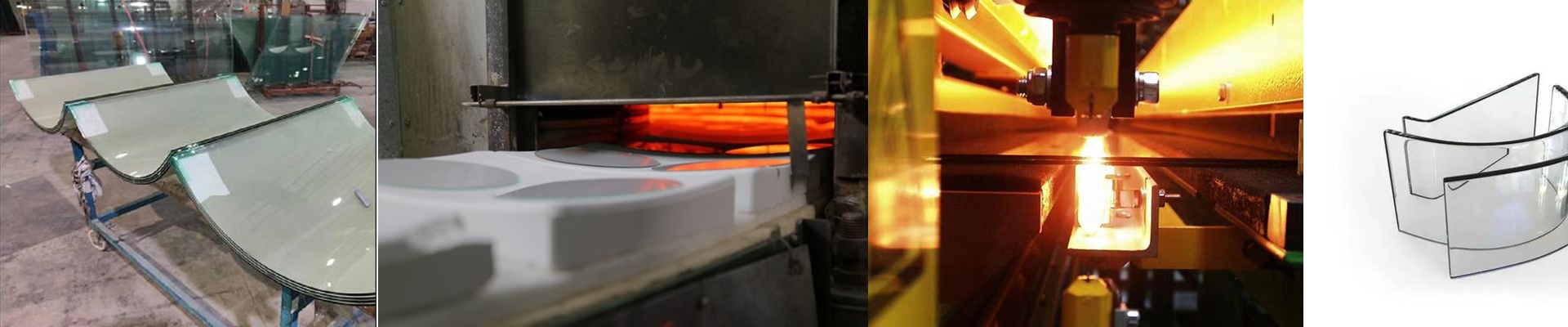
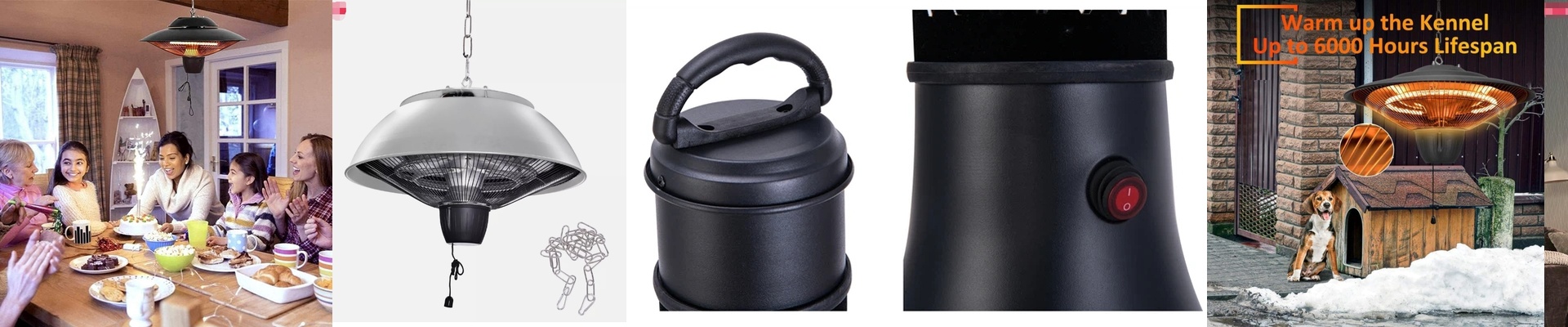
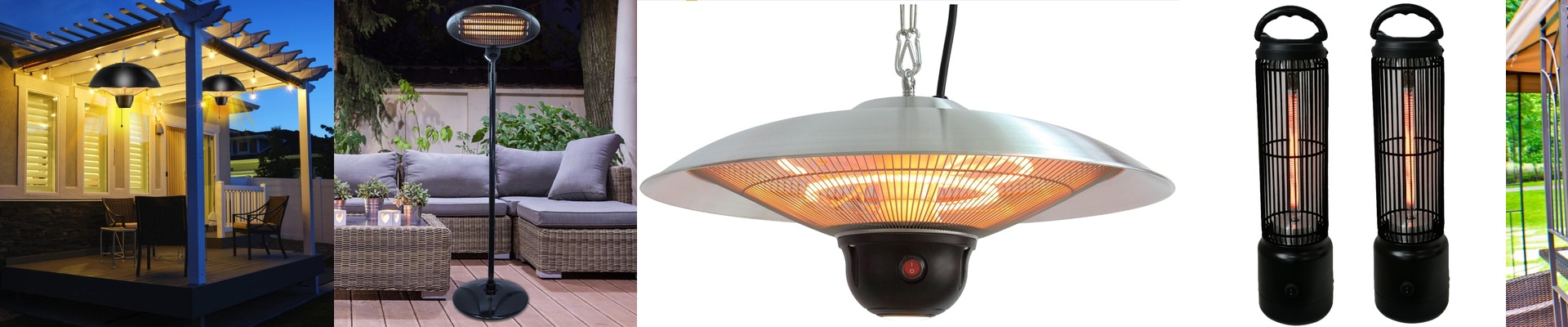
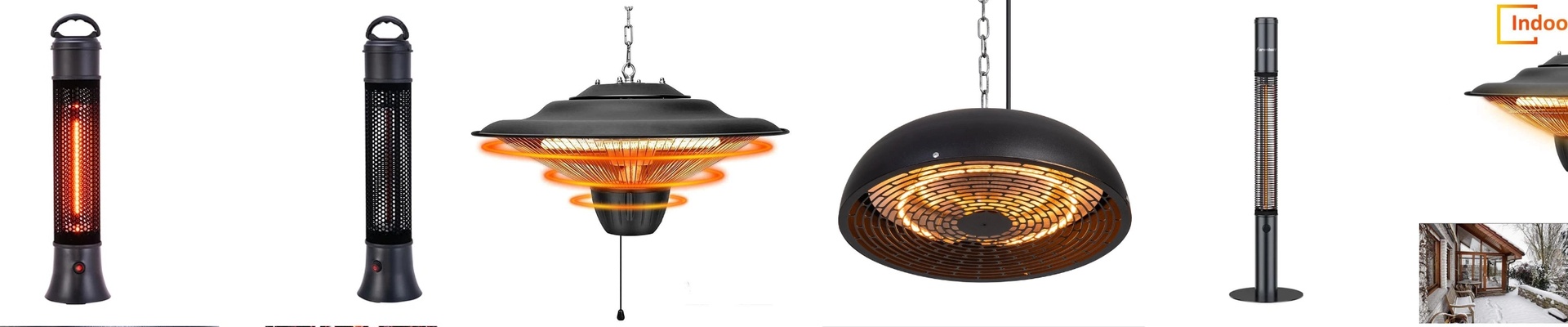
When you’re designing an infrared heater for a bathroom, you’re basically juggling two things: getting the room warm fast and making sure you don’t blind the person using it. The real headache is the light. Standard short-wave lamps have this harsh, piercing glare. It’s not just annoying—it can actually be dangerous for sensitive eyes, especially for babies. Nobody wants a heater that feels like a interrogation lamp. Dealing with the glare We fix this by messing with the light spectrum. Instead of just using a bare quartz tube, we use special coatings or filters. Think of it like sunglasses for the heater. We block out the visible light that stresses your eyes but let the actual heat waves slide right through. You get all the warmth, but none of the blinding flash. It’s just simple physics. Built for the steam Bathrooms are a nightmare for electronics. You’ve got steam everywhere and the occasional splash of water, which is a recipe for rust and short circuits. To stop that, we use IP-rated seals and high-grade quartz glass. Quartz is great because it doesn’t crack when it goes from cold to hot in a split second. We also beef up the seals where the wires connect, so moisture stays far away from the electricity. The trade-offs you should know Here’s the thing: nothing is perfect. Because those filters block some of the light, you lose a tiny bit of heat efficiency compared to a raw, unfiltered tube. To make up for that, you might want to go with a slightly higher wattage. It ensures the room still feels cozy and warm. One last tip: make sure your wiring is up to the task. When these heaters first kick on, they pull a lot of current. If your voltage dips, the heat output can get wonky and the light quality might shift. Keep your power stable, and everything stays safe and warm.