


Why we’re ditching bathroom heat lamps for infrared
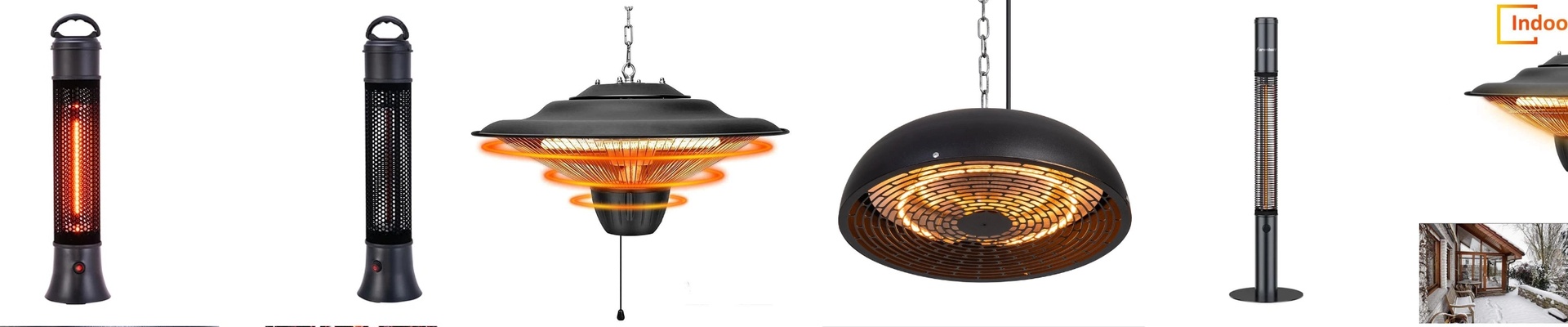
Let’s be honest: those old-school bathroom heat lamps are kind of a joke. They use these massive, power-hungry bulbs that give off a blinding light, but they barely keep you warm. Worst of all? They hate water. In a room literally designed for steam and splashes, that’s a bit of a problem. That’s why more people are switching to high-grade infrared (IR) heaters. Instead of trying to warm up the air in a foggy room, these things target you directly.
The battle against steam
Bathrooms are brutal on electronics. Between the steam and the accidental splashes, it’s a recipe for short circuits and rusty wires. To stop that from happening, we don’t just “waterproof” these heaters—we seal them tight. We use quartz envelopes and heavy-duty silicone gaskets to keep the moisture out. If a seal fails, the whole thing is toast. That’s why we stick to corrosion-resistant alloys for the internal wiring. It’s the difference between a heater that lasts a few months and one that actually survives the humidity.
How it actually feels
Here is the thing about traditional heaters: they heat the air. But hot air rises. So, while your ceiling is roasting, your toes are still freezing. Infrared is different. It sends out waves of energy that travel in a straight line. They don’t care about the air temperature; they only turn into heat when they hit something solid. Like your skin. Or the bathroom floor. The result? You feel the warmth the second you flip the switch. No waiting around for the room to warm up. It just works.
A few things to keep in mind
If you’re planning to make the swap, don’t just wing it. These heaters can pull a lot of power when they first kick in. If your wiring is too thin, you’ll deal with voltage drops, and you won’t get nearly as much heat. Make sure your cables are up to the task. Also, keep in mind that these aren’t as tiny as a light bulb. They take up more space. If you’re renovating, plan your ceiling cutouts and brackets early. It’s a lot easier to do it right the first time than to try and fix a messy retrofit later.