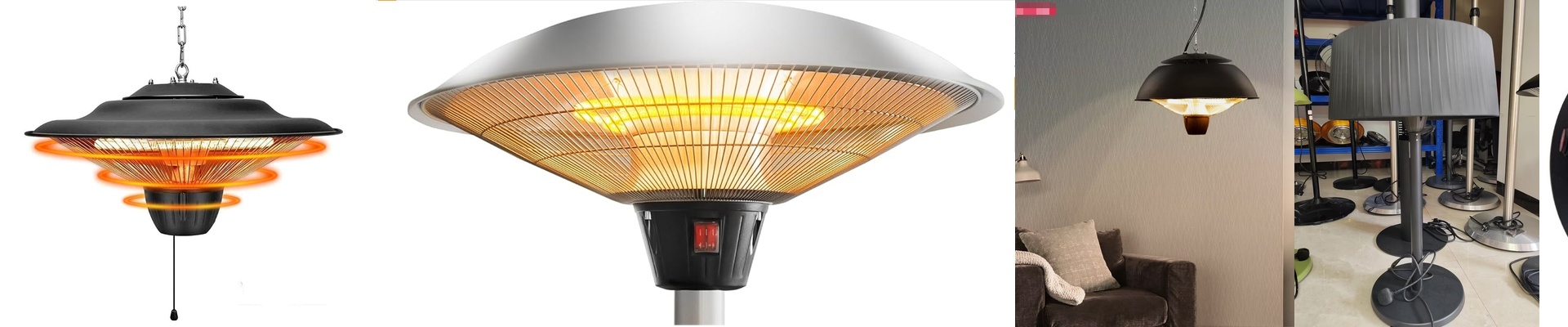
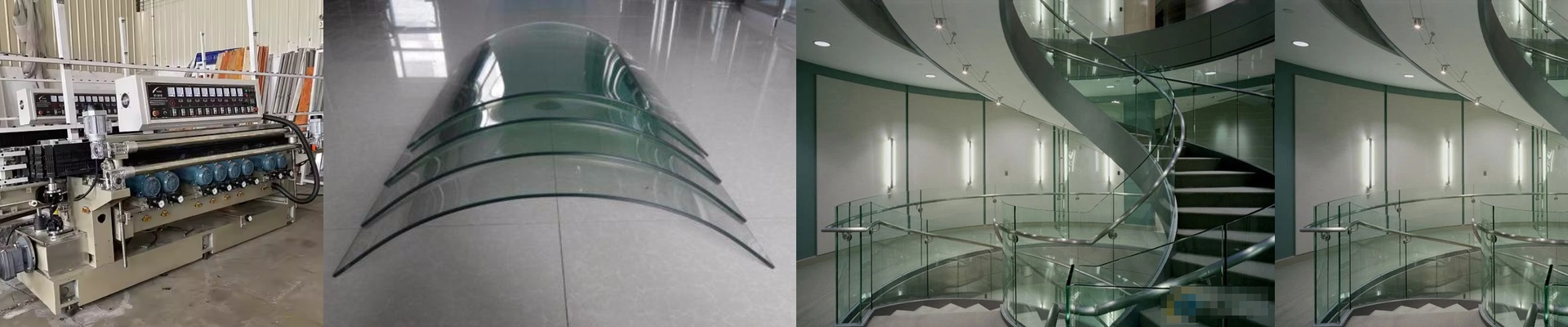
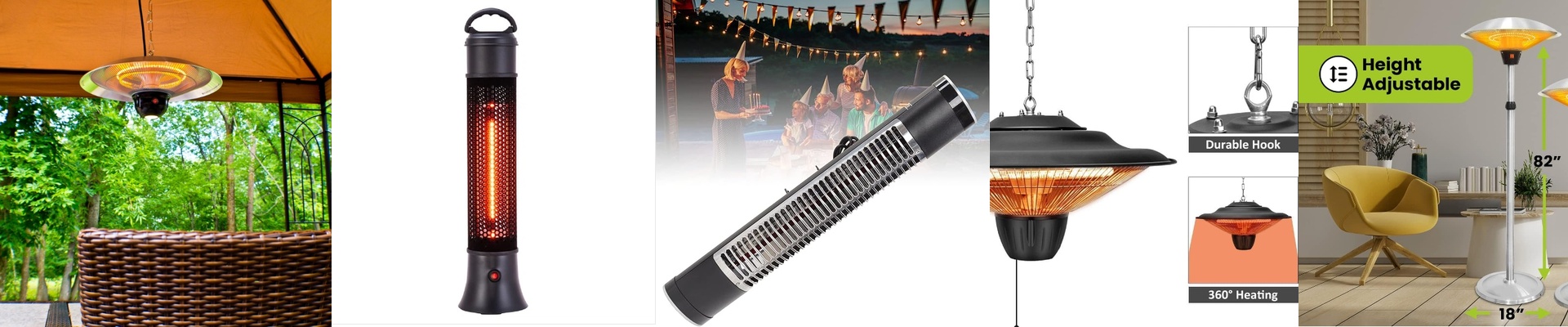
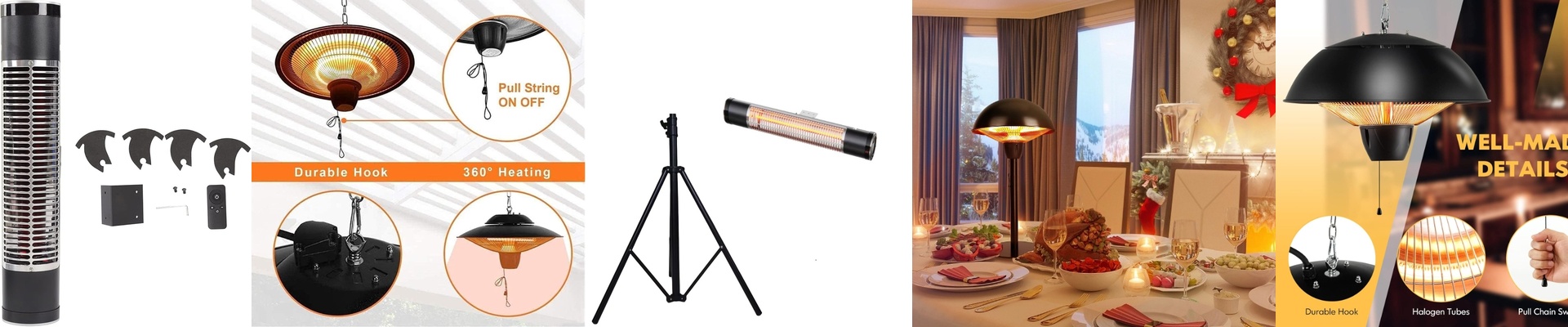
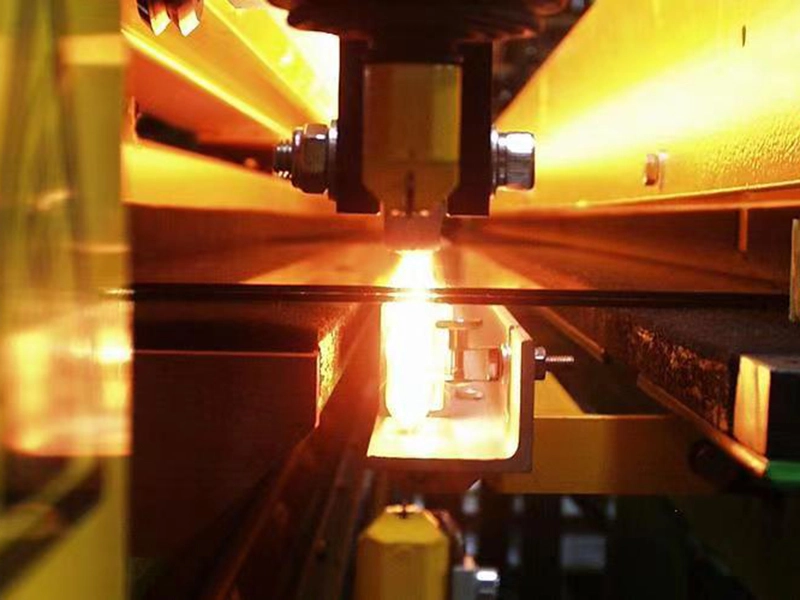
Out on the line, the bending furnace sits waiting for the heat to settle. When the heater starts to drift, you see it right away—sag that isn’t consistent, optical distortion, and glass that can’t pass flatness before it even gets to tempering. That’s yield walking out the door, and energy getting burned for nothing. What matters under the hood We build the glass bending heater to take the heat, and that means short-wave infrared quartz elements. They respond fast and hold the setpoint tight in the high-temp zones. The emitters punch a lot of power into a small footprint with low thermal mass, so you get to temperature quickly and hold it without overshoot. The core is built for repeated thermal cycling: solid quartz, terminations rated for high temperature, and a housing that shrugs off thermal shock and chemical exposure. The payoff is predictable output, repeatable temperature profiles, and service life that holds up under steady bending schedules. Here is the thing with bending: timing is everything. Fast, even heating keeps the glass moving through the bending cycle without thermal lag, and that keeps surface stress from building up. So you end up with fewer rejects due to warp, waviness, or thermal stress, and shape repeatability that holds from batch to batch. Energy use drops because the heater gets to temperature and stays there—no long ramp-up penalties. In practical terms, you run more throughput with fewer stops for temperature drift and fewer calls to maintenance. Installation and fit These heaters are designed as direct-fit replacements for major glass machinery brands, with mounting and electrical interfaces matched to the OEM footprint. You can swap them in without tearing the furnace apart, and the control compatibility keeps re-commissioning short. One constraint you can’t ignore: the heater has to match the furnace zone size and the emissivity of the glass. If the dimensions are off or the power is undersized, you’ll fight uneven heating. Spec the unit to your bending profile, and it will deliver the repeatability your line is counting on.