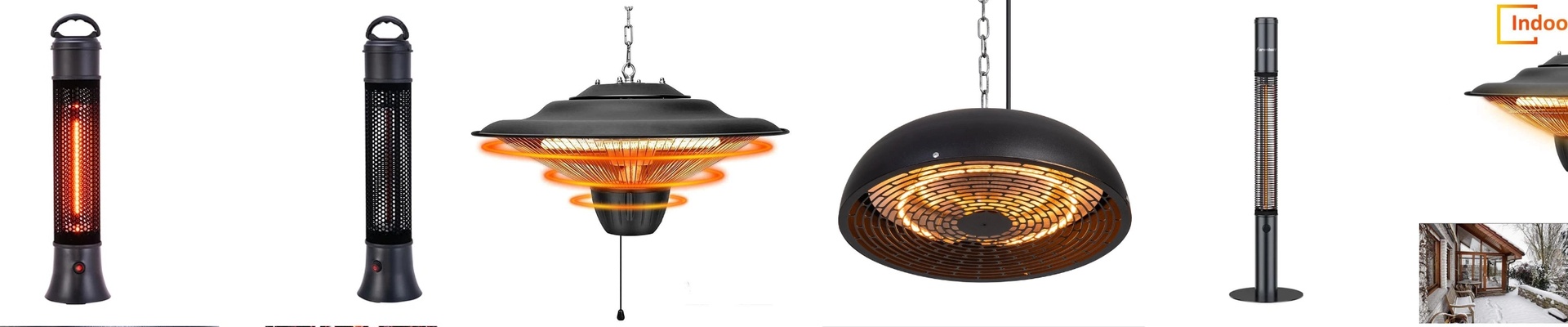

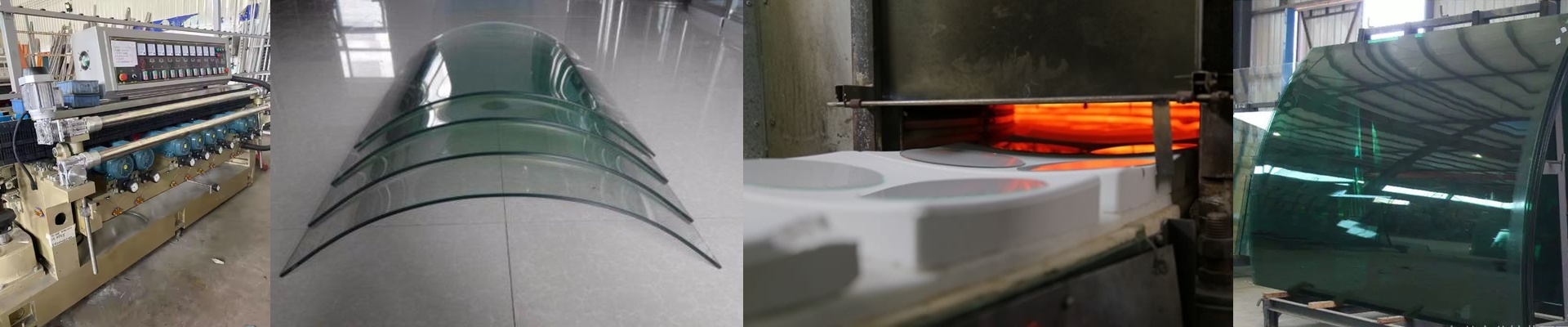
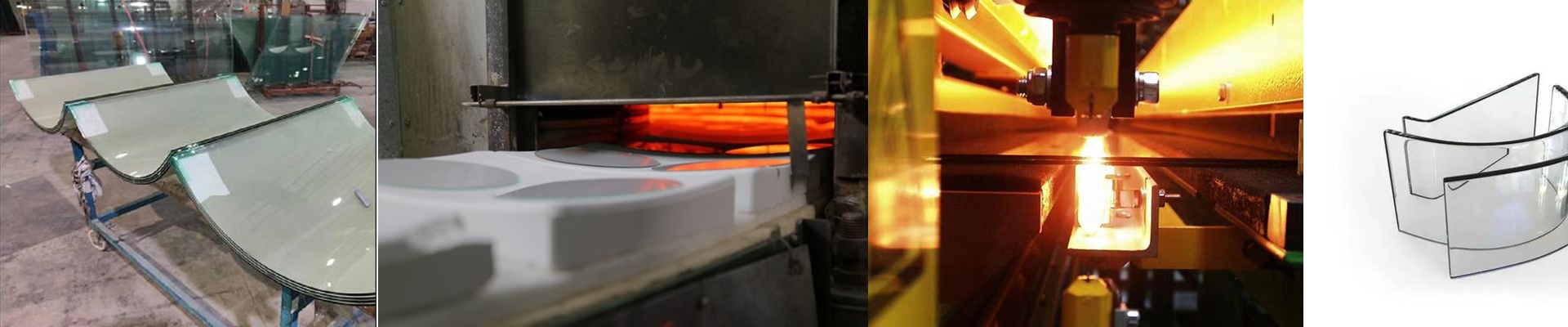

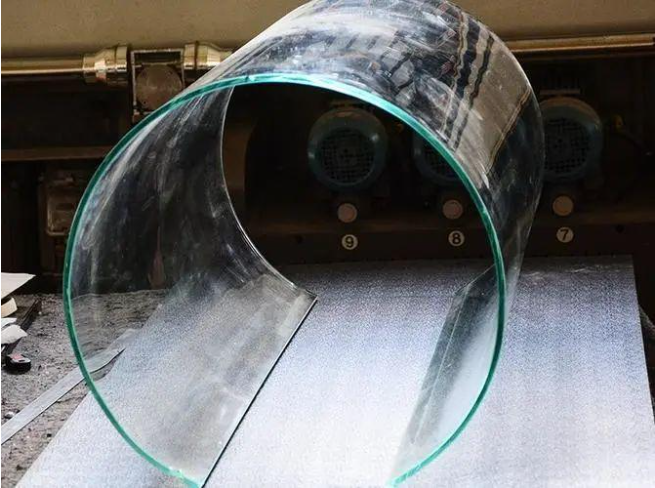
On the glass line, heat is more than temperature. It’s timing, uniformity, and repeatability. When the heater isn’t pulling its weight, you know it right away: uneven sag during bending, wavy distortion after tempering, lamination cure that drags and stalls throughput, or coatings that skin over too fast and trap solvents underneath. Those aren’t just nuisances. They pile up as scrap, rework, and overtime. We built our infrared heaters for glass because heating glass is its own animal. It doesn’t behave like metal or plastic, and the process window is tight. You need heat delivery you can count on, fast response, and output that stays stable shift after shift.
What actually matters under the hood
Infrared heating for glass is about matching the energy to the material and the process. Glass grabs radiant heat efficiently, especially when the emission spectrum is tuned to how its emissivity changes with temperature. We lean on short-wave and medium-wave infrared—quartz tubes and high-temperature elements—because they ramp quickly and hold tight control, with minimal reliance on convection that tends to create uneven zones. The engineering targets are simple to say and tough to nail consistently:
- **Power density and response time:**High power density gets you fast heating; fast response keeps dwell under control. In practice, the heater can follow a recipe with sharp ramps without overshoot.
- **Spectral fit and penetration profile:**Short-wave couples strongly at the surface. Medium-wave lets you balance surface and through-thickness heating depending on glass thickness and the coating stack.
- **Uniformity and repeatability:**The goal is a thermal field you can predict. Reflector geometry and element layout are engineered to even out the heat across the target, because uneven heating shows up as stress, optical distortion, and shape errors.
- **Thermal stability over long duty cycles:**Glass lines run for hours. Elements are rated for sustained high-temperature operation, and the system is built to hold output without big drift across shifts.
- **Drop-in fit to existing equipment:**Industrial glass lines have fixed envelopes. Our heater assemblies are engineered to match standard mounting patterns and electrical interfaces, so you can swap them in without redesigning the machine. We focus on the numbers that matter on the floor—wattage, voltage, element geometry, and control interface—because those are what decide whether the heater performs on Monday morning after a weekend of high ambient temperature and high line speed.
Why infrared fits the way glass runs
Infrared isn’t a one-trick solution. It’s a match for multiple glass steps where timing, temperature, and uniformity directly drive yield.
Hot bending and forming
Bending glass means bringing the sheet to a viscosity that yields to the mold without fighting it. If the heat arrives late, the cycle drags. If it’s uneven, the glass sags differently across the width, and the part comes off twisted or wavy. Infrared gives you fast, directional heat you can zone to match the bending contour. The payoff is a repeatable thermal profile that holds shape consistency and cuts cycle time.
Tempering and preheating
Tempering needs a rapid, uniform heat-up followed by a hard quench. Preheating is the gate. If it’s slow or uneven, the furnace leans hotter to compensate, and thermal stress builds before the quench even starts. Infrared preheat modules bring the glass up quickly and evenly, so the tempering furnace stays in its intended window. That lowers the risk of breakage during heating and tightens surface compression consistency.
Lamination curing (EVA/SGP/PVB)
Lamination is a balancing act of time and temperature. Too low, and the interlayer doesn’t flow and bond fully. Too high, and you risk edge slip, bubbles, or optical issues. Infrared delivers rapid, controllable energy that can be pulsed and held within tight bands. That control shortens the cure window and evens out bonding across the stack. In production terms, you spend less time waiting for the interlayer to catch up and less time chasing delaminations.
Coating drying and curing
Coatings on glass are thin and sensitive. You need to drive off solvents or cure polymer layers without boiling the top while the bottom stays wet. Infrared penetrates into the layer and promotes even drying, which cuts down on skinning and pinholes. With controlled zones, you can match line speed without cranking temperature, keeping the coating stack stable and reducing rework.
Insulating glass sealing
Sealing IG units means hitting the right melt and flow point for primary and secondary seals. Infrared can be applied locally along the seal path, delivering fast, controlled energy without overheating the glass edge. That helps preserve edge integrity and supports consistent sealant flow, which is critical for long-term durability. Across these steps, the gains are practical: shorter ramp times, tighter process windows, fewer rejects, and lower energy use because the heater delivers heat on demand instead of continuously heating a large chamber.
The realities you’ll run into
Infrared heaters are straightforward to integrate, but every line has constraints.
- **Line of sight is non-negotiable.**Infrared transfers energy radiatively, so the heater needs a clear view of the glass surface. Obstructions, shields, or poor positioning drop effective power and can cast shadows.
- **Reflectors and alignment set uniformity.**Over time, reflectors can oxidize and elements age. Schedule periodic inspection and calibration to keep the thermal field consistent.
- **Control tuning is part of the install.**Infrared responds quickly, and the loop has to be tuned to avoid overshoot on rapid ramps. We provide setpoints and tuning guidance, but the final recipe depends on your glass thickness, emissivity, line speed, and machine dynamics.
- **Match the heater to the station’s power and thermal reality.**The heater needs to fit the available voltage and duty cycle, and the surrounding insulation and cooling have to be up to the job. In some stations, high ambient temperatures can push housing and components if ventilation is undersized. We treat these as setup work, not surprises. If you’re running a high-throughput glass line, the install isn’t just bolting in a heater—it’s aligning the thermal path, verifying uniformity, and locking in control parameters that keep scrap out of the bin. If your process is battling slow cycles, uneven heating, or quality that drifts shift to shift, infrared is worth a serious look. The point isn’t chasing higher temperature. It’s putting predictable heat where you need it, when you need it, and doing it again and again. That’s how glass processing settles into the speed the line was built for.