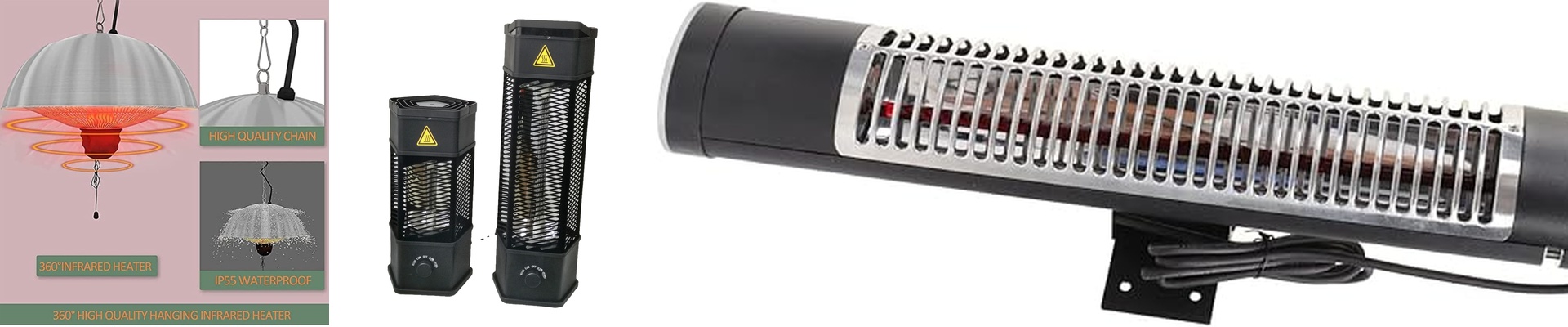
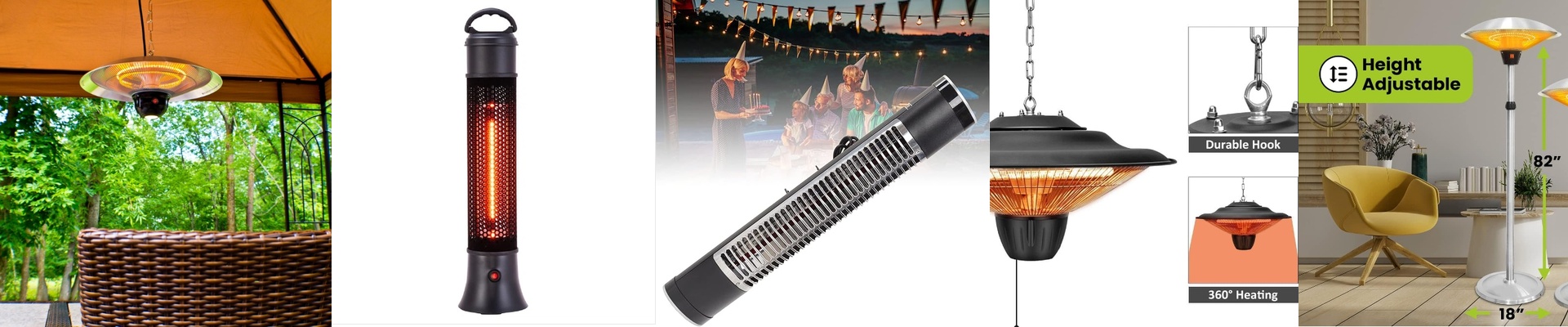
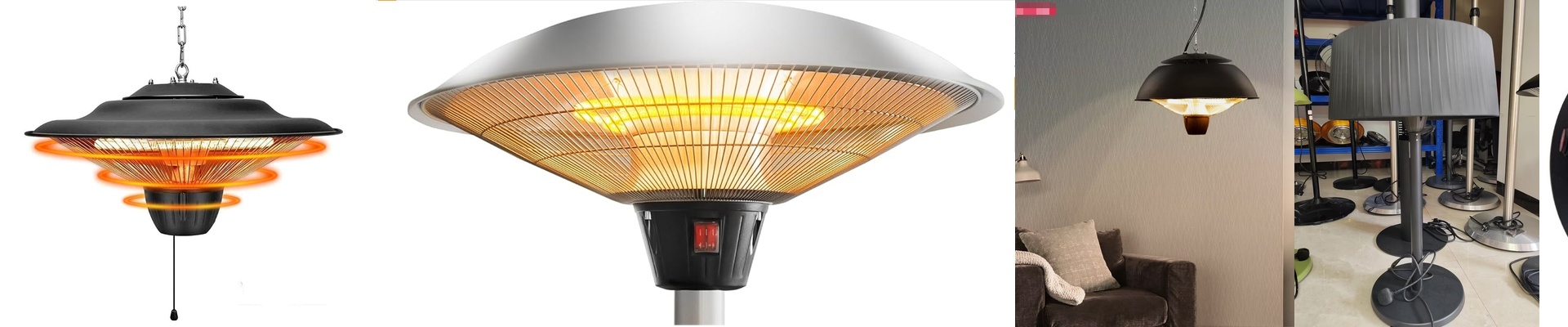
Making Infrared Bathroom Heaters 100% Safe: The Real-World Engineering Behind Them
We design infrared wall heaters specifically for bathrooms, because let’s be honest—bathrooms aren’t just damp. They’re electrically dangerous. Steam isn’t a minor annoyance; it’s a direct threat to safety. So the core challenge is simple, but serious: how do you deliver intense radiant heat while making sure electricity stays completely isolated from anyone touching the unit? You need a heater that can live in a cloud of steam, day after day, and still keep the power safely contained.
Power, voltage, and size—kept practical
Infrared bathroom heaters are built to pack a lot of heat into a small space. Most run on 220V–240V and put out 1500W to 2500W. That wattage is chosen to heat a standard bathroom quickly without pushing your home wiring past its comfort zone. Because the design is compact, it can mount on a wall even in tight spots. But that kind of power density means you have to manage heat carefully. You get fast heating, sure—but the enclosure needs proper airflow so it doesn’t overheat.
Safety starts with what it’s made of
The materials matter more than most people realize. We use a high-purity quartz tube to hold the heating element. Quartz handles sudden temperature changes without cracking, and it keeps its electrical insulation even when it’s wet. Inside, a halogen-filled atmosphere helps stabilize the filament and stretches the heater’s lifespan. The outer surface is coated to resist water spots and corrosion—and to add another layer of electrical protection. For connections, we use the R7s connector. It’s a secure, double-insulated setup that keeps live terminals completely separated from the outside housing. No exposed live parts. No shortcuts.
The bathroom test: it has to just work
In a wet room, the heater can’t be fussy. It has to be a drop-in solution that does its job quietly and reliably. Thanks to quartz, halogen tech, and double insulation, the unit can handle 100% humidity without shorting out or deteriorating. And because it delivers instant radiant heat instead of warming the air, you get warmth without the heavy condensation that often follows. For installers and engineers, that translates into fewer callbacks. The wiring is straightforward, it meets strict electrical safety requirements, and it keeps performing through the daily cycle of heat, steam, and cooling.
The honest reality check
High wattage means high heat. Even though the heater is sealed against moisture, the outside surface gets seriously warm. That’s why clearances matter during installation—so no one accidentally touches a hot surface. And you need to make sure the mounting surface can handle the thermal load without issues. Plan for it, and the heater does the rest.