

Why Your Bathroom Heater Keeps Dying (And How to Actually Fix It)
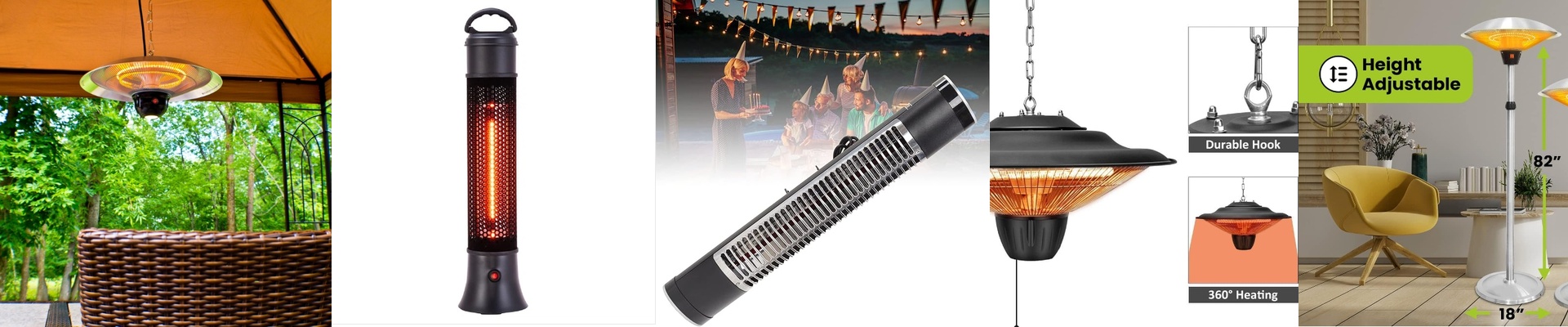
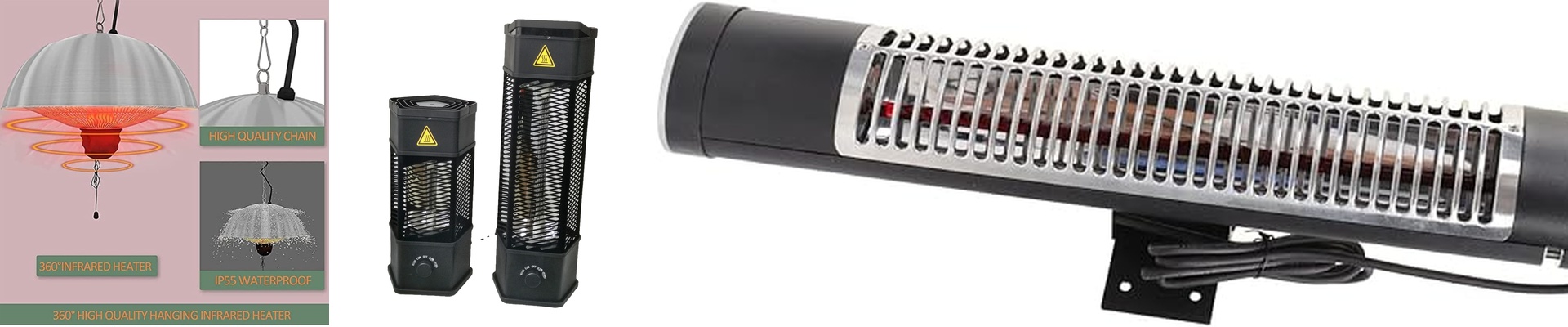
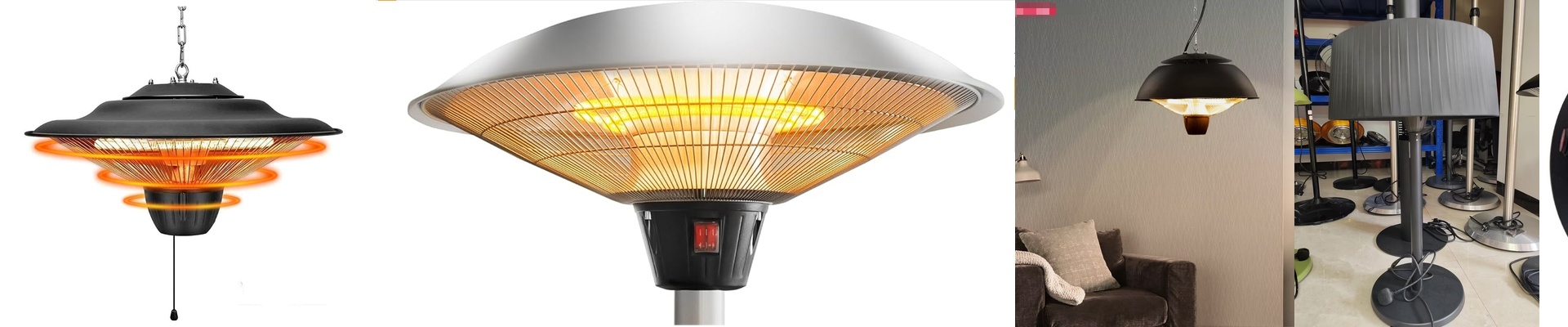
Ever notice how those old-school bathroom heat lamps always seem to quit right when you need them most? It’s usually because they just aren’t built for the steam. You’re basically putting a piece of electronics in a sauna, and eventually, the humidity wins. That’s why we’ve started moving toward IP65-rated infrared elements. Now, “IP65” sounds like a boring serial number, but all it really means is that the system is sealed tight. It can handle direct splashes and thick steam without short-circuiting. Here’s the thing about moisture. In a normal heater, steam sneaks into the housing and eats away at the electrical contacts. It’s a slow process of corrosion that kills the element. We stop that by using sealed quartz envelopes and gaskets. It keeps the gunk out and the heat in, so you aren’t replacing your bulbs every few months. But the real magic is how it actually feels. Most heaters try to warm up the air. The problem? Hot air rises. It heads straight for the ceiling, leaving you shivering in the cold while the ceiling is roasting. Infrared is different. It sends out short-wave radiation that travels in a straight line. It hits your skin and the surfaces around you directly. You feel that warmth the second you flip the switch. No waiting around for the room to “warm up.” It’s instant. A few things to keep in mind if you’re upgrading. Most of these are designed to drop right into your old fixtures, but don’t just plug and play. These elements pull a lot of power. If your bathroom wiring is ancient, you might trip your breakers. It’s worth double-checking your circuit load before you get started. We use reinforced quartz glass because bathrooms are brutal. One minute it’s freezing, the next it’s a steam room. That kind of thermal shock cracks cheap glass, but this stuff can take the beating. Just a heads-up: these things getseriouslyhot. Like, “don’t touch it” hot. Make sure you’ve got a solid protective grill in place so nobody accidentally burns themselves.