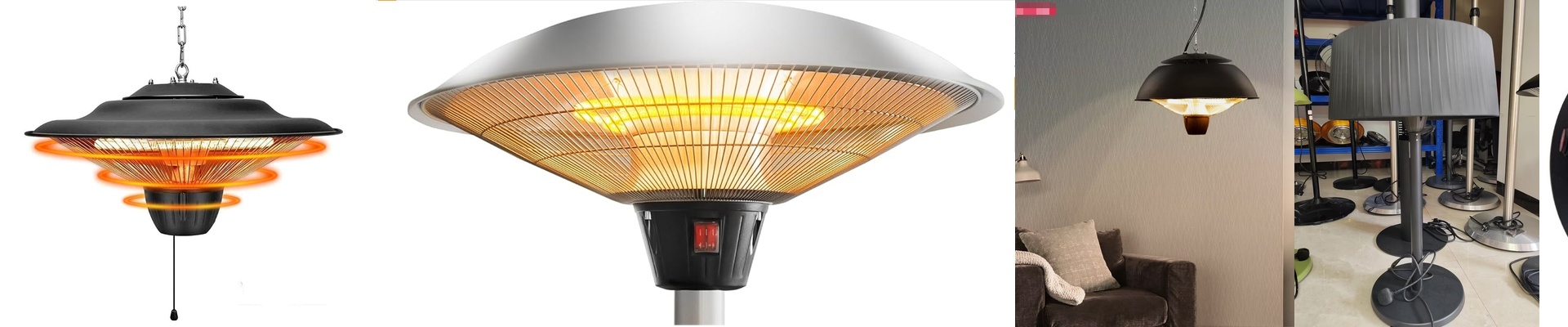

High-Ceiling Infrared Heaters: Built to Fix, Not Frustrate
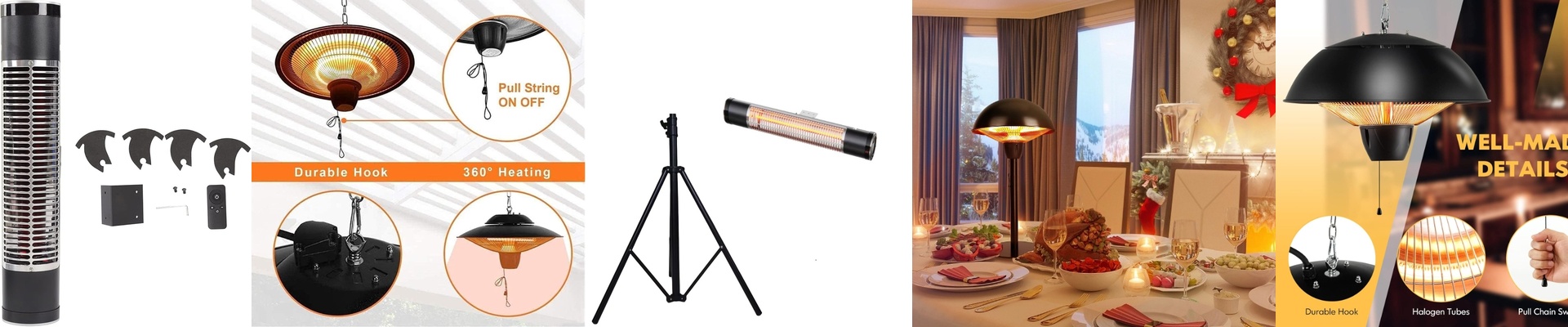
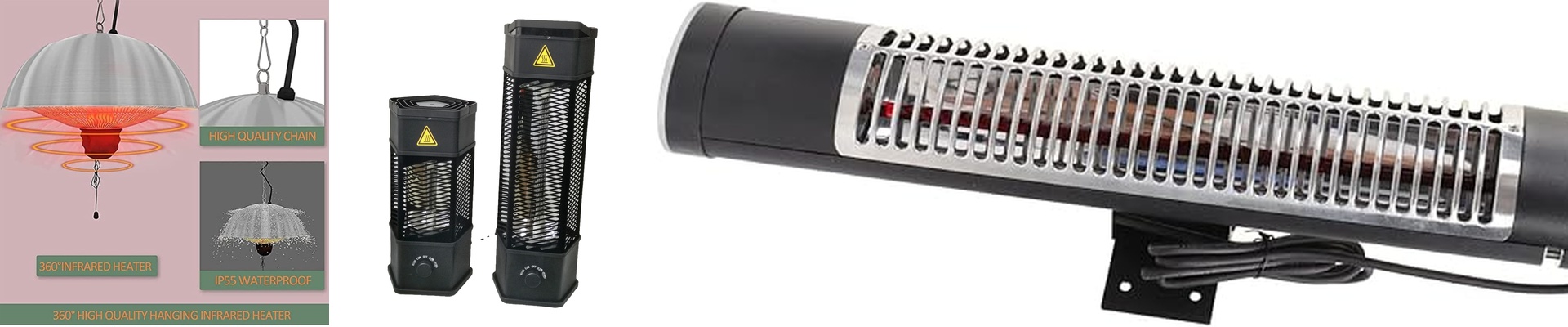
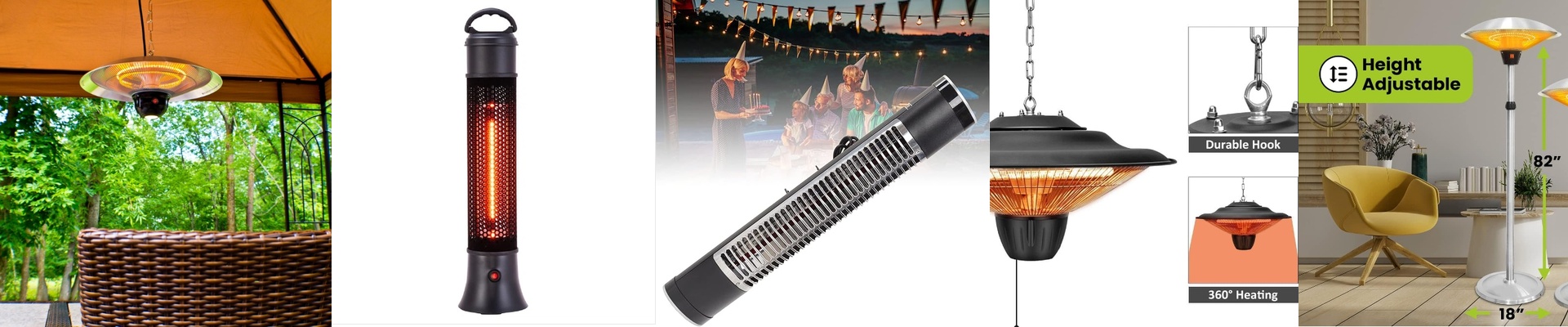
We design these heaters for one reason: to get heat where it actually matters. In places with soaring ceilings, you don’t want warmth just floating around up top. You want it landing on the floor, hitting the work areas—right where people are. It’s all about direct, radiant heat. No wasted energy heating the air. And when we build these, we’re obsessed with two things: steady performance and making maintenance a total breeze.
The Power Behind the Warmth
At the heart of these units is a serious halogen lamp, pumping out 2500W at 400V. That 400V setup isn’t just a random spec. It’s a smart move for big, high spaces. It keeps the electrical current manageable over long cable runs, so you don’t need massive wires and you won’t lose power to voltage drop. And the lamp itself? It’s compact, around 300mm long. That small size packs a huge punch, concentrating heat density into a tight spot. The result? You can warm a massive vertical space without having to over-engineer the whole system.
The Secret: It’s All Modular
The heating element lives inside a tough quartz tube, filled with halogen gas, built to handle the stress of heating up and cooling down fast. But here’s the real game-changer: the reflector assembly is modular. So when a lamp finally burns out, you don’t have to replace the entire heater. You just swap out the lamp module. The R7s connector makes it simple—solid, industrial-grade, and it clicks in perfectly every time. It’s designed to be taken apart and put back together again, without getting finicky. Maintenance stops being a project and becomes a quick swap.
Real-World Upkeep, Done Right
In a high-ceiling space, the biggest headache is always access. Trying to service equipment can be a nightmare. With these modular heaters, an operator can swap out a lamp module without wrestling with mounting hardware or messing with complicated wiring junctions. Downtime becomes predictable. The job has fewer steps, and you don’t have to worry about things getting misaligned when you put it all back together. Now, there is one thing to keep in mind. Because this is a compact, high-density powerhouse, it needs proper cooling and clearance. You have to plan for airflow and spacing. If you don’t, the unit will run hotter than it should. But get the specs right, and what you’re left with is rock-solid heat you can count on, and a maintenance routine that actually fits into your real-life schedule.