How to actually warm up an outdoor changing area (without the wait)
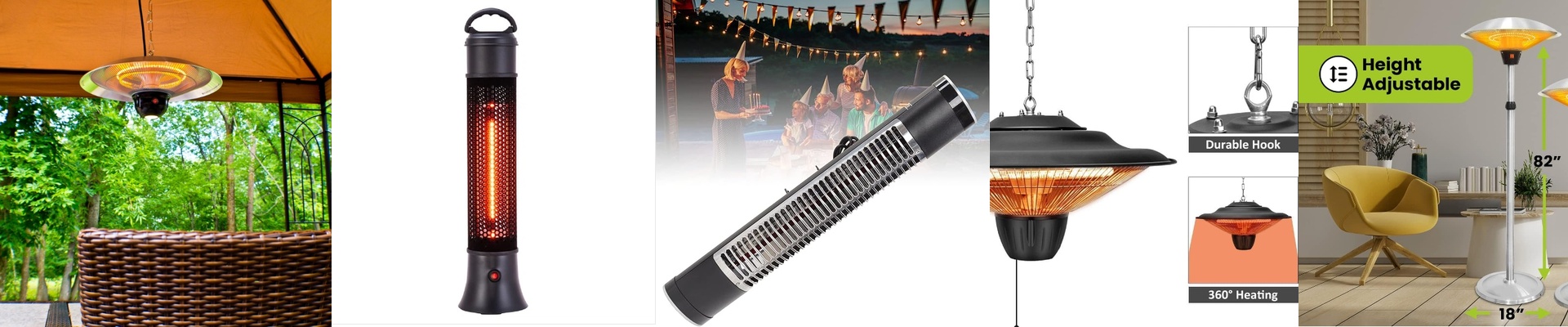
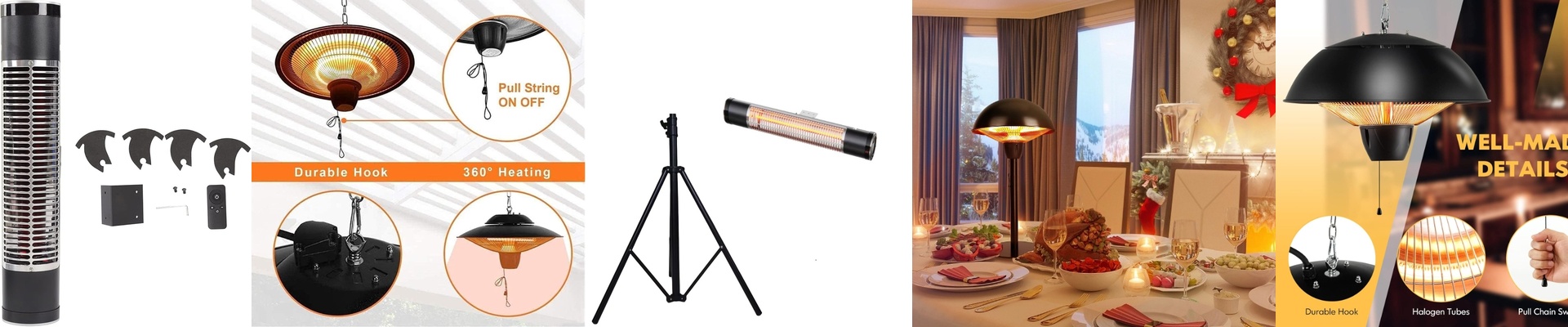
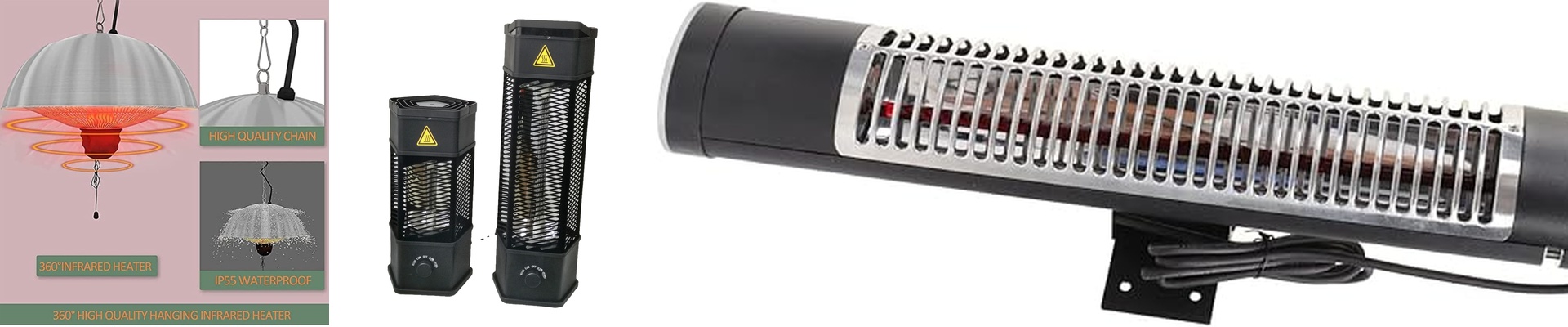
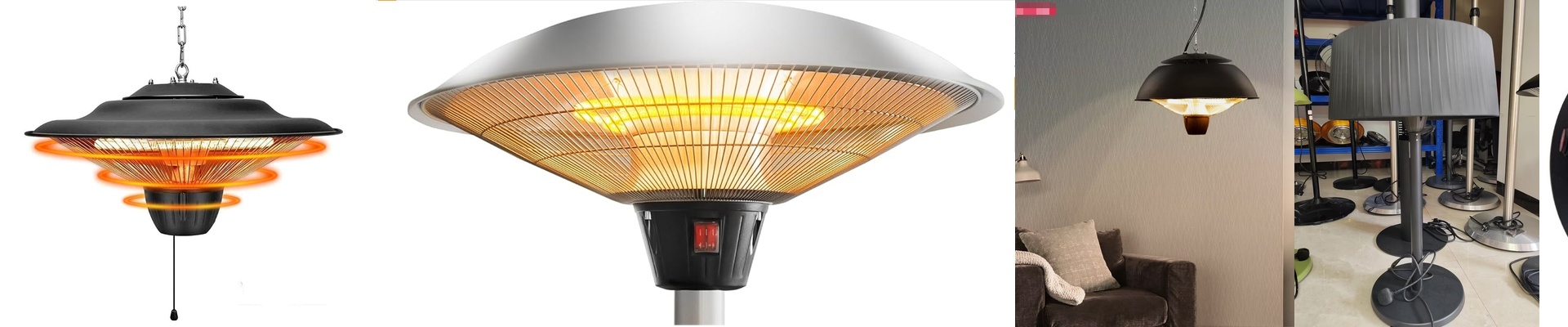
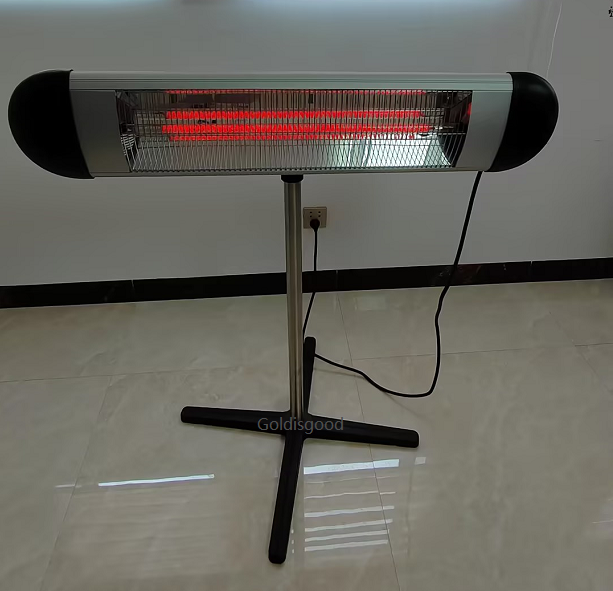
If you’ve ever tried to get changed in a freezing outdoor zone, you know the struggle. You’re shivering, your skin is crawling, and you just want to feel warm now. The problem is that most heaters try to warm the air. But air is slow. By the time the room feels cozy, you’ve already left. That’s why we use shortwave infrared (IR). Instead of fighting with the air, IR sends energy straight to the person. It’s like stepping into a beam of sunlight on a crisp autumn day. You feel it instantly. The secret to that “instant” feeling Shortwave IR is different because it hits harder and faster. While those old-school longwave heaters spend all their energy warming up the walls and the ceiling, these units focus everything on you. It’s perfect for high-traffic spots. You can’t exactly tell a crowd to wait 30 minutes for the room to warm up. They need heat the second they step inside. Dealing with the elements Putting electronics outdoors is always a gamble. You’ve got humidity, random splashes, and rain to deal with. If water touches a live IR element, things go south quickly—you’re looking at short circuits or burnt-out lamps. To stop that from happening, we wrap everything in high IP-rated enclosures. We use heavy-duty gaskets and housings that don’t rust, just to make sure the guts of the machine stay bone-dry, no matter what the weather is doing outside. A few things to watch out for Now, these lamps pack a punch, but they’re hungry for power. You can’t just plug them into any old outlet. You’ll need to size your breakers and wiring correctly, or you’ll deal with voltage drops that kill the performance. Placement is also a big deal. If you mount them too low, you’ll bake the person standing under them. Too high, and you lose that immediate “wow” factor. It’s all about finding that sweet spot. One last pro tip: use heat-resistant cabling for the final connection to the lamp. Standard insulation can melt over time with this kind of heat, and nobody wants to deal with a wiring failure six months down the road.