Why your bathroom heater is doing more than just keeping you warm
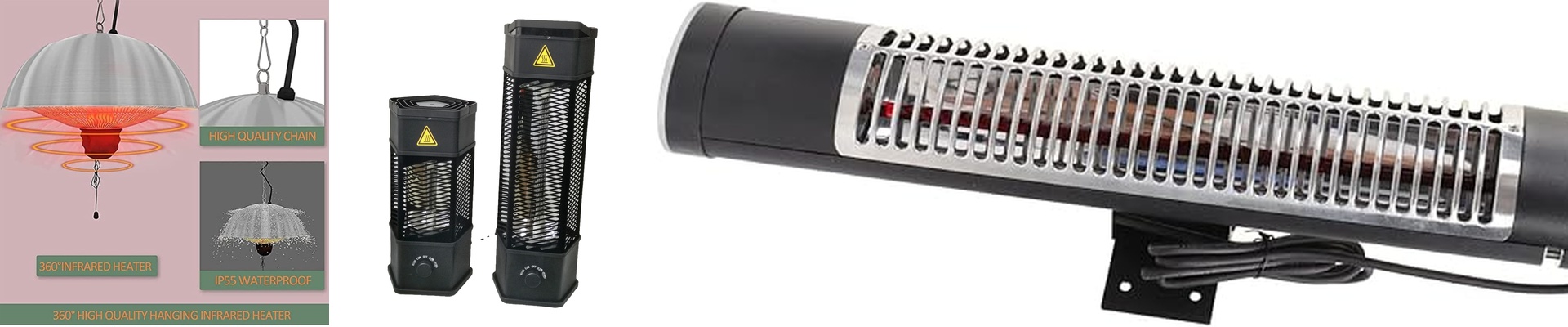
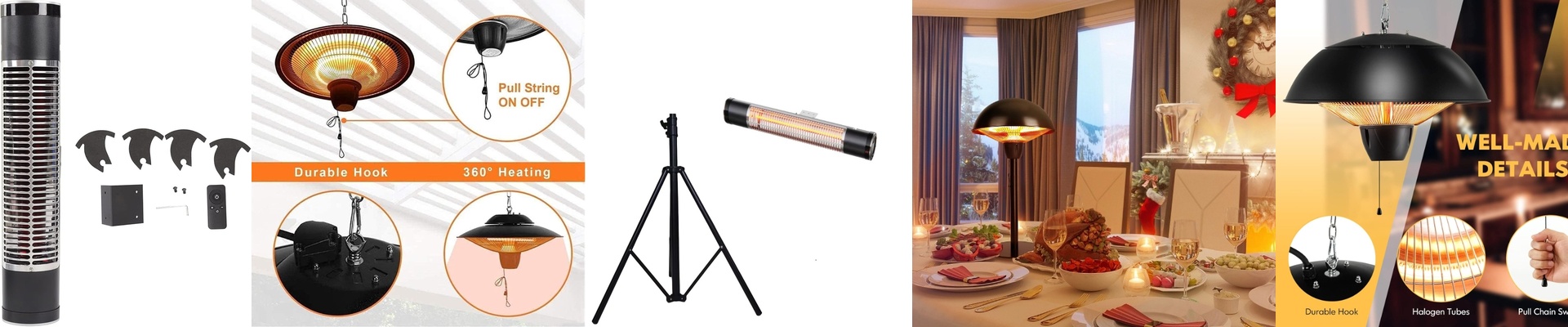
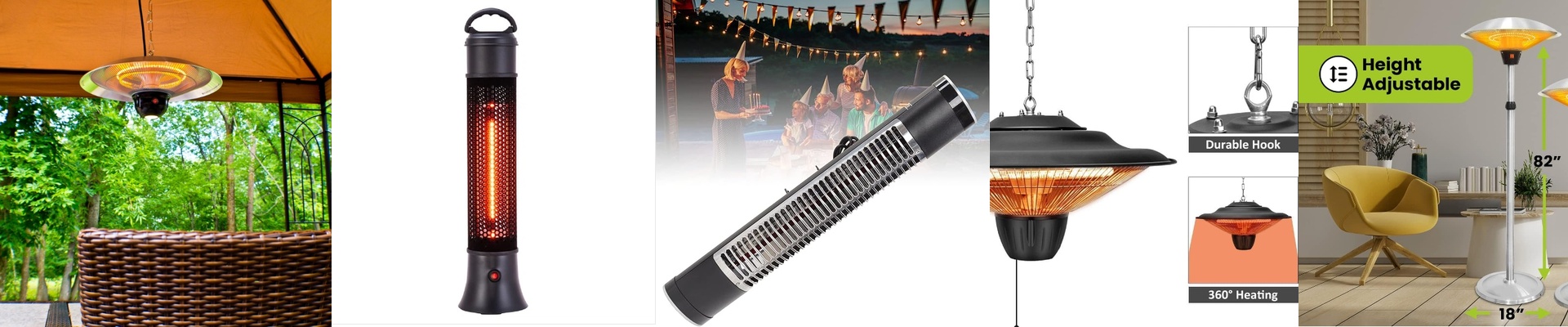
Most people think of those bathroom heat lamps as a quick fix for a chilly morning. But we look at them differently. See, we aren’t just trying to warm up the air. We’re actually targeting moisture. By using specific infrared light, these lamps go after water molecules where they hide—on your walls and in your grout. It’s less about the temperature and more about stopping mold before it even gets a chance to start. The secret to a dry room Here is the thing about standard heaters: they warm the air, but your walls stay cold. That’s why you get that annoying condensation dripping down the tiles. Our lamps use short-wave radiation. It sounds fancy, but all it really does is penetrate the surface of your tiles and make the water molecules vibrate. This speeds up evaporation. When the surface stays warm, water can’t settle. And if there’s no standing water, mold has nothing to eat. Simple as that. Getting the balance right Bathrooms are tough on electronics. All that steam can fry a normal filament in no time. That’s why we use quartz glass and heavy-duty seals—so the thing actually lasts. But there is a catch. To dry a room quickly, you need a lot of power. If you put a high-wattage unit in a tiny bathroom, you might end up overheating the plastic fixtures nearby. You’ve got to match the power to the size of your room. Too much, and you’re basically sitting in a sauna you didn’t ask for. Making it work for you The smartest way to set these up is with a timer or a humidity sensor. The goal is to zap the moisture out of the walls the second you step out of the shower. This takes the pressure off your exhaust fan, so you don’t have to listen to that loud humming for an hour after every bath. You end up with a room that feels crisp, dry, and smells fresh. It’s just a straightforward way to keep your home healthier.