
Keeping Your Bathroom Warm Without Blinding Your Kids
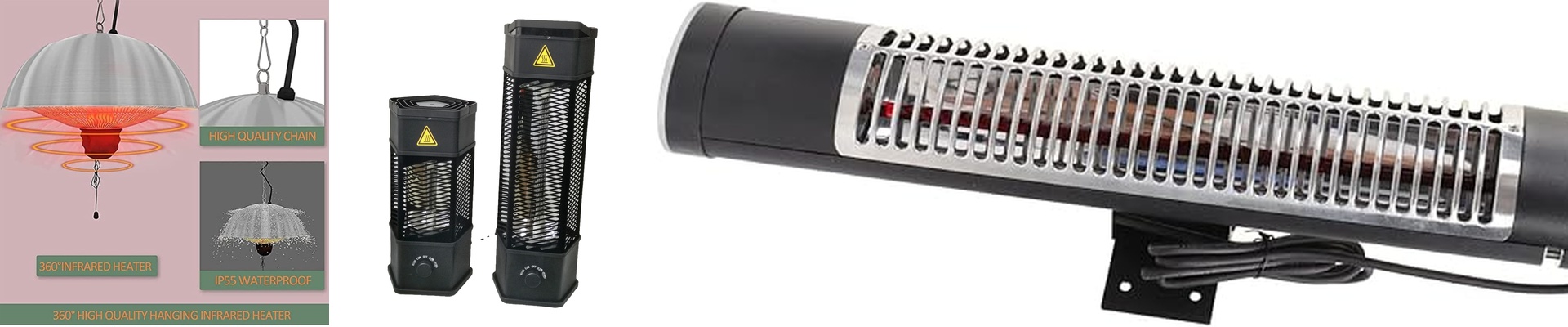
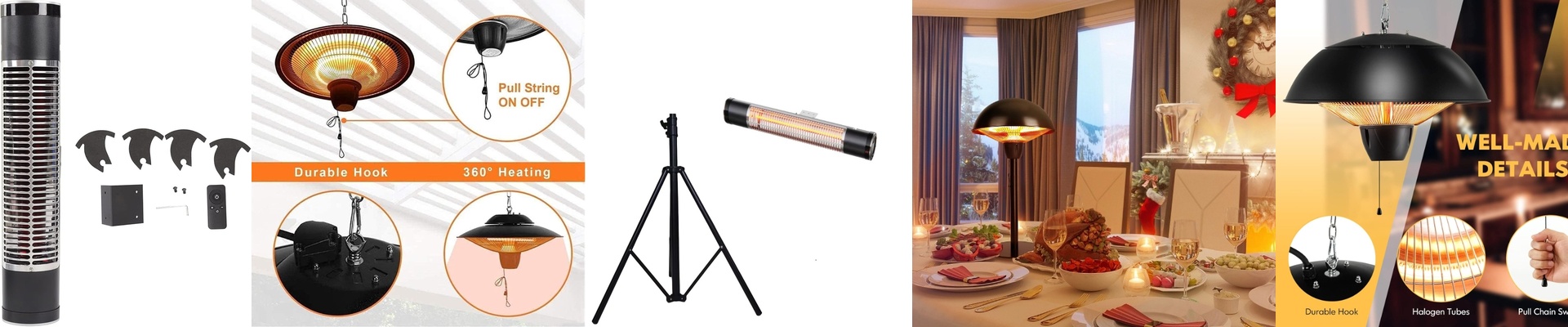
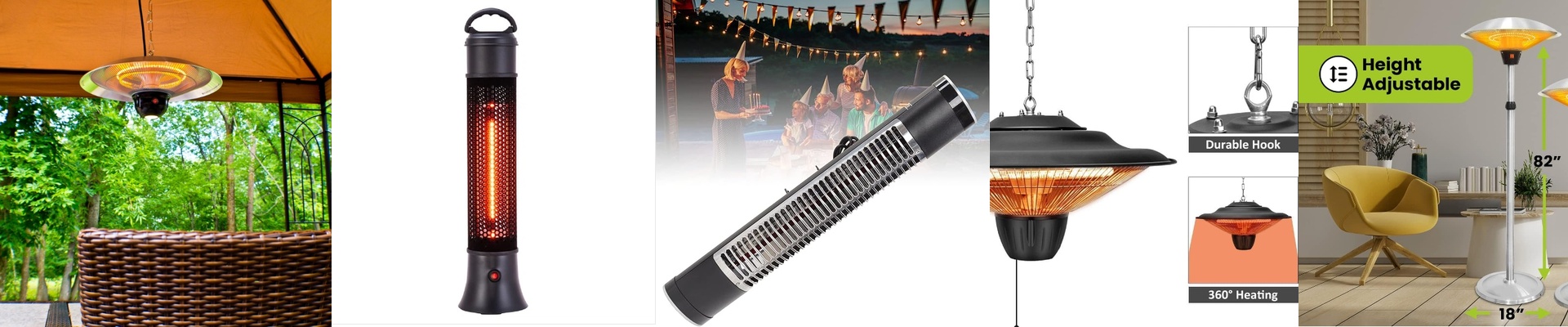
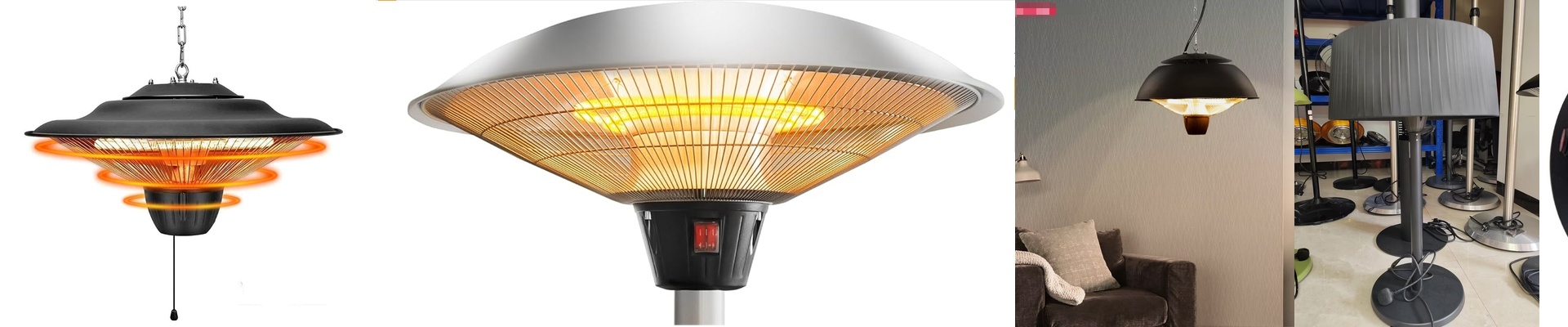
When we build IP55-rated infrared heaters, we’re usually thinking about bathrooms or patios. Places where it’s damp, steamy, and water is practically everywhere. The real trick isn’t just keeping the electronics dry. It’s making sure the light doesn’t hurt anyone’s eyes—especially babies. The glare problem If you’ve ever used a standard shortwave lamp, you know that blinding, harsh glare. It’s a lot. To fix that, we shift the heat toward the medium or long-wave range. We use special coatings and dopants in the quartz tubes to filter out the UV and that intense visible light. The result? A much softer glow. You get all that cozy radiant warmth on your skin, but you aren’t hitting your retinas with a concentrated beam of light. Dealing with the damp The “IP55” part basically means the unit can take a hit from dust and water jets without breaking a sweat. We use tight gaskets and sealed cable entries so moisture doesn’t touch the heating element. Why? Because moisture leads to oxidation, and oxidation leads to a dead heater. But here’s the catch: when you seal a box that tight, heat gets trapped inside. To stop the internal wiring from frying, we use aluminum heat sinks to pull that warmth away. It keeps the whole unit small and sleek without melting the guts. A few things to keep in mind These are designed to be easy drop-in replacements for your old bathroom lamps. Just a heads-up, though: that eye-protection coating does take a tiny bit of the “raw” heat away compared to an uncoated tube. If it doesn’t feel warm enough, just mount it a little lower or go with a higher wattage. And one last tip—give it its own dedicated circuit. You don’t want to trip your breakers the second you flip the switch.