The Tug-of-War: Screen Printing and Glass Annealing
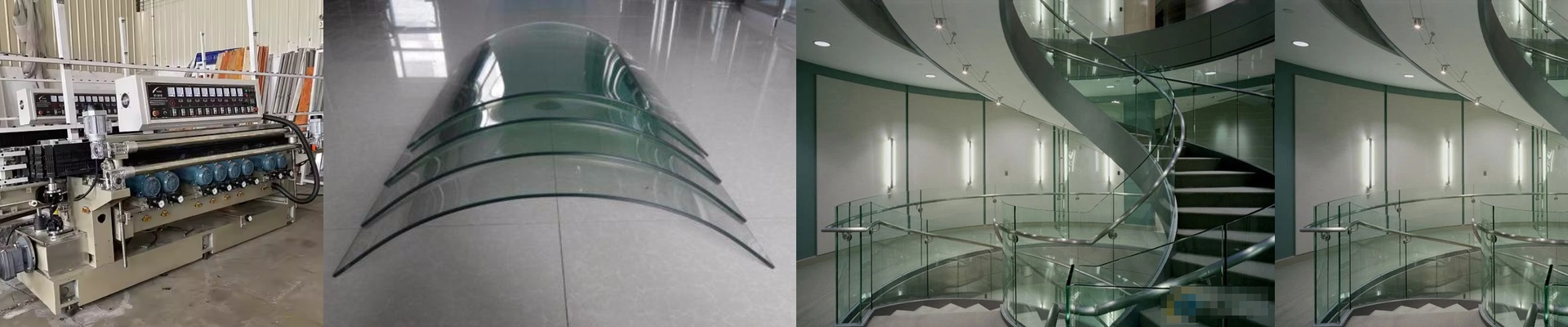
If you’ve ever tried to combine screen printing and tempering into one smooth run, you know it’s basically a constant fight. You’re stuck between a rock and a hard place: you want the ink to stick, but you don’t want the glass to shatter. Heat it too fast?Crack. Heat it too slow? Your ink blurs or just won’t cure.
Why it cracks
It all comes down to the “thermal gradient.” Think of it like this: those IR lamps hit the surface of the glass instantly, but the core stays cold. That difference creates tension. Now, add ink into the mix. Ink and glass don’t expand at the same rate when they get hot. If your lamps dump too much energy too quickly, the ink starts pulling away from the glass. In the worst cases, it actually triggers a stress fracture. Not a great look.
Dialing in the IR Profile
We use short-wave infrared lamps to get the temperature up quickly, but the real secret is in the ramp-up. You need the heat to be balanced. If you crank the wattage but keep the conveyor moving too slowly, you get “hot spots.” That’s how you end up with a warped pattern. We spend a lot of time tweaking the lamp spacing and power. The goal is to get the heat deep into the glass without scorching the pigment on top.
The Trade-off
Here is the honest truth: you can’t have perfect strength and a razor-sharp pattern without sacrificing some speed. If you want a crisp line, you need a controlled cure. If you want that heavy-duty tempered strength, you need a steep quench. It’s tempting to push for faster throughput by cranking the voltage, but that’s a gamble. You risk burning the ink or—even worse—having the glass spontaneously explode in the quench tank. Plus, if you’re running high-wattage tubes, your cooling system has to be able to handle that extra ambient heat. If it can’t, the housing expands, the lamps shift, and suddenly your heat distribution is a mess.