Fixing Those Pesky Cold Spots in Wine Glass Annealing
Wine glasses are a nightmare for heat. You’ve got that wide bowl on one end and a skinny little stem on the other. In a standard annealing lehr, that shape creates “dead zones”—spots where the heat just doesn’t reach. If the rim is roasting but the stem stays cool, you get internal stress in the glass. And that’s how you end up with glasses that just… snap. Out of nowhere. To stop that, we use targeted infrared (IR) lamps to plug those gaps.
Why Air Isn’t Enough
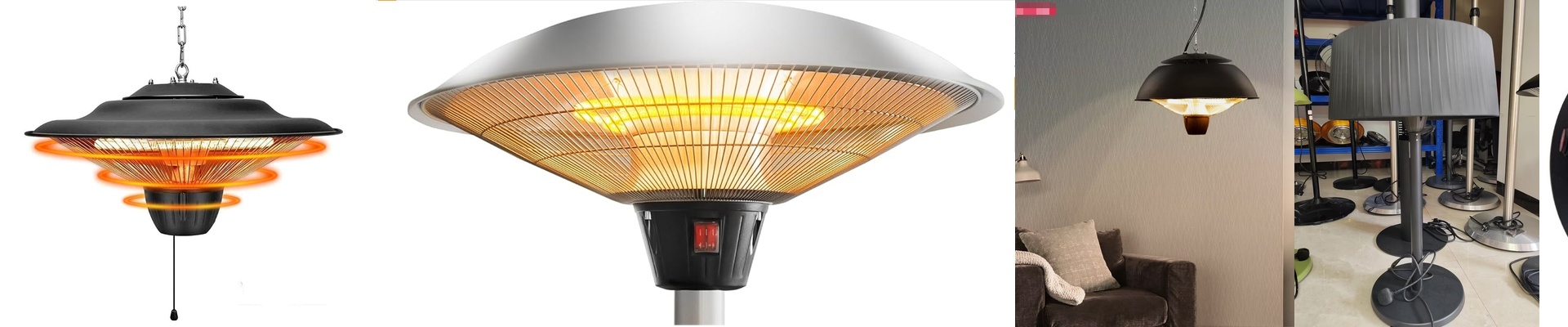
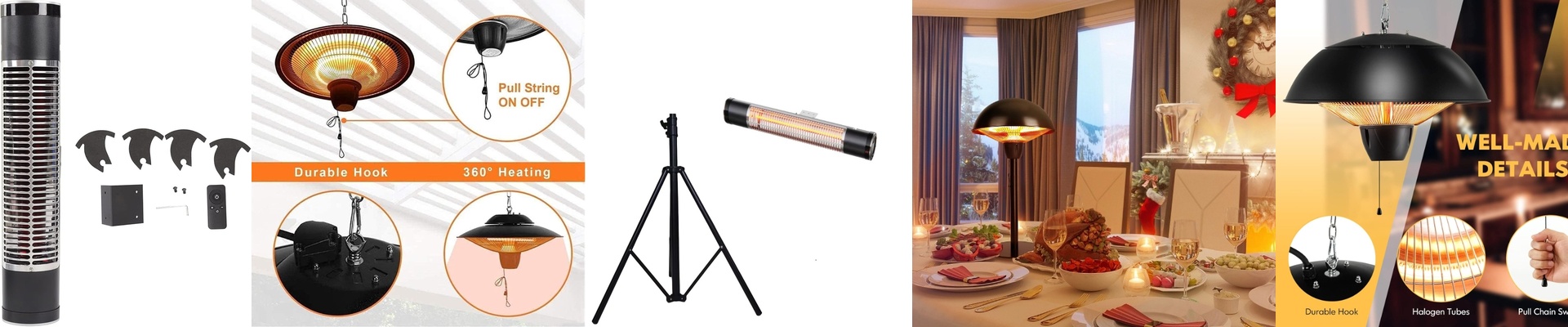
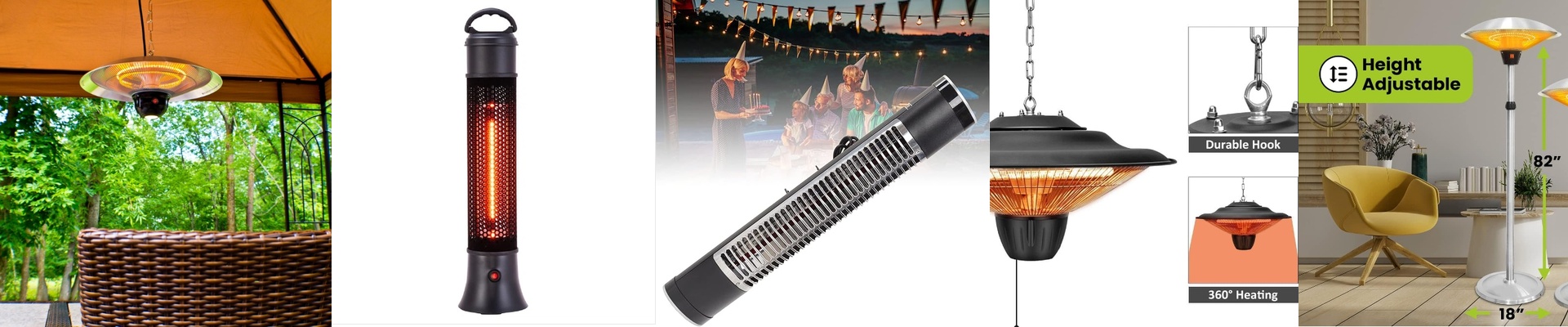
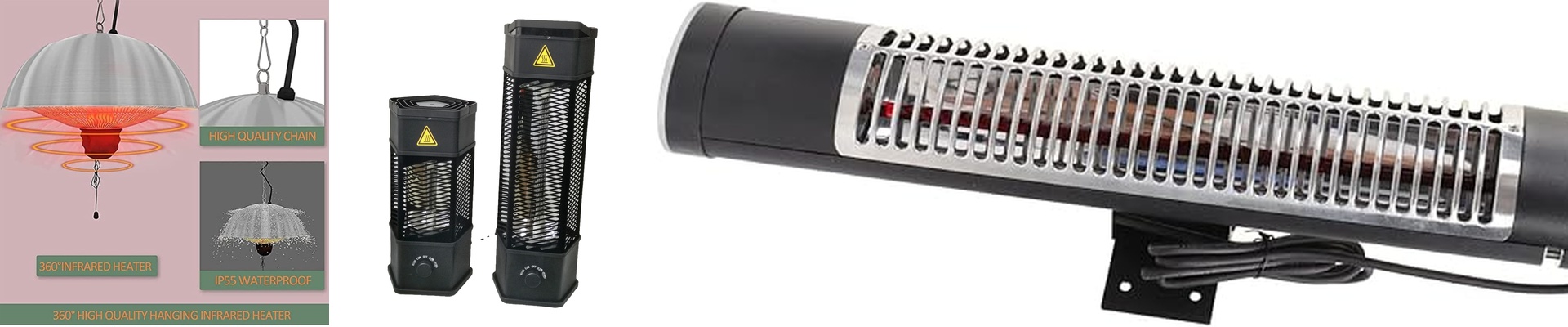
Here’s the thing: standard convection heating relies on moving air. But air is lazy. It doesn’t want to squeeze into the tight gaps of a wine glass rack. That’s why we go with short-wave IR lamps. Instead of waiting for the air to warm up, these lamps send energy in a straight line, hitting the glass surface directly. We set them up in a staggered array so the heat basically wraps around the glass. No more cold spots in the middle of the belt.
The Nitty-Gritty Stuff
We usually lean toward high-wattage quartz halogen tubes. To get enough heat for rapid annealing without blowing a fuse, we tweak the voltage configurations to keep the current under control across the long tubes. I always recommend R7s or SK15 connectors. Why? Because lamps burn out. When they do, you want to be able to swap them in seconds, not spend your whole afternoon tearing down the heating bank. One more thing: think about your coating. Clear quartz lets the heat penetrate deep, but a coated tube can shift the spectrum to match how the glass actually absorbs heat.
The Trade-offs
It’s not all magic, though. High-density IR arrays pull a lot of power. If you drop a bank of 2000W lamps into your line, your grid is going to feel it. Make sure your wiring and contactors can handle that initial surge, or you’ll be tripping breakers all day. And be careful with placement. If the lamps are too close, you can actually overheat the thin stem. You don’t want it to deform or sag. It’s a balancing act—you need enough wattage to hit the annealing point, but not so much that you hit the softening point. Get that distance right, and you’re golden.