
Getting Glass Stress Relief Right (Without the Headaches)
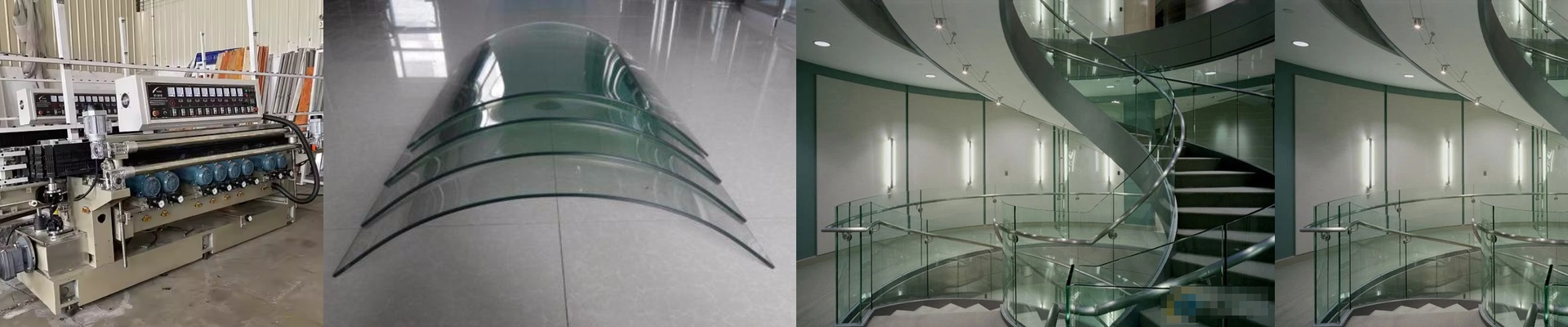
Selling a replacement infrared lamp is the easy part. Any catalog can do that. But making sure your glass actually survives the process? That’s where things get tricky. When you’re dealing with stress relief, you aren’t just warming up a piece of glass. You’re basically playing a game of tug-of-war with the internal tension of the material. If you lose, the glass cracks. Sometimes it happens right there on the line; sometimes it happens later, and that’s when the real nightmares start. The danger of “more power” Here is the thing about heat: it’s all about the balance. I see it all the time. A shop wants to speed up their cycle times, so they throw in higher wattage lamps to “over-power” the system. It looks great on paper because the surface hits the target temperature faster. But while the outside is screaming hot, the core is still cold. That gap creates a massive amount of tension. You might save five minutes on the clock, but you’re risking warped glass or a sudden thermal shock that shatters your hard work into a thousand pieces. Why we actually show up in person A datasheet is a great starting point, but it doesn’t know your floor. It doesn’t know how your glass is shaped or how your line actually breathes. That’s why we insist on running diagnostics on-site. We look for the stuff the manuals miss. For one, your lamps might be brand new, but if your reflectors are pitted or oxidized, you’re just wasting electricity. The heat isn’t hitting the glass; it’s just heating up the room. Then there are the “dead spots.” Most tunnels have them. We map the temperature across the conveyor to find exactly where the heat drops off. And don’t even get me started on the fans. A strong cooling fan in the wrong spot can strip heat away faster than your IR lamps can put it back in. It’s a constant battle. Finding the sweet spot It’s a trade-off. Shortwave IR is fast. Really fast. But it doesn’t dive deep into the material. If you’re working with thick architectural glass, you can’t rely on shortwave alone, or you’ll never hit the annealing point at the core. You need a mix of medium and shortwave wavelengths. We don’t just ship you a box of tubes and wish you luck. We look at your glass thickness and your line speed, then we spec the power density to match. It’s about making sure the heat gets where it needs to go, without breaking things along the way.