Stop the Chipping: Why We Preheat Glass with IR
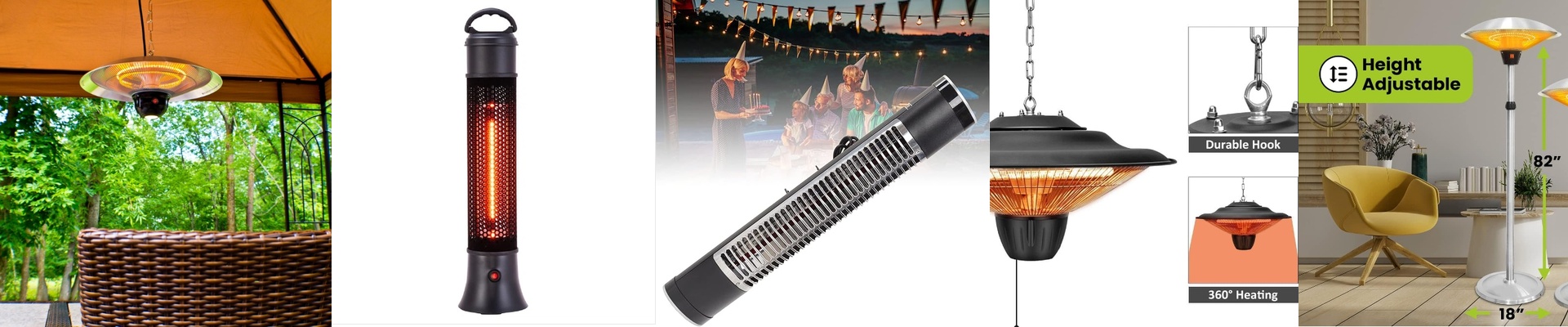
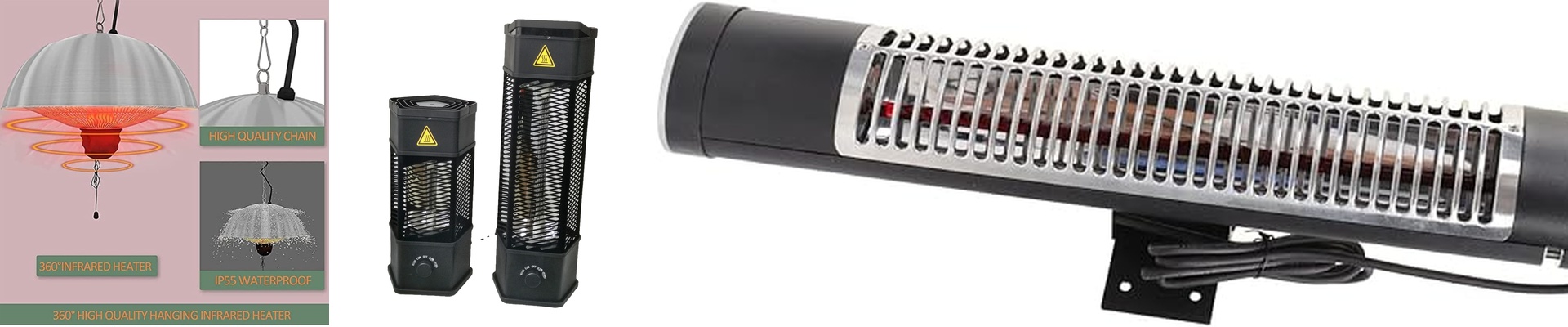
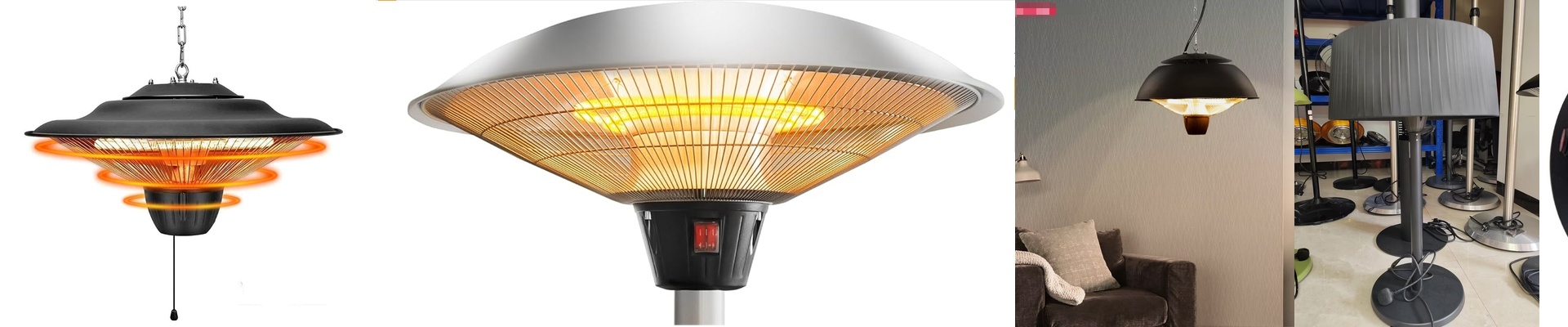
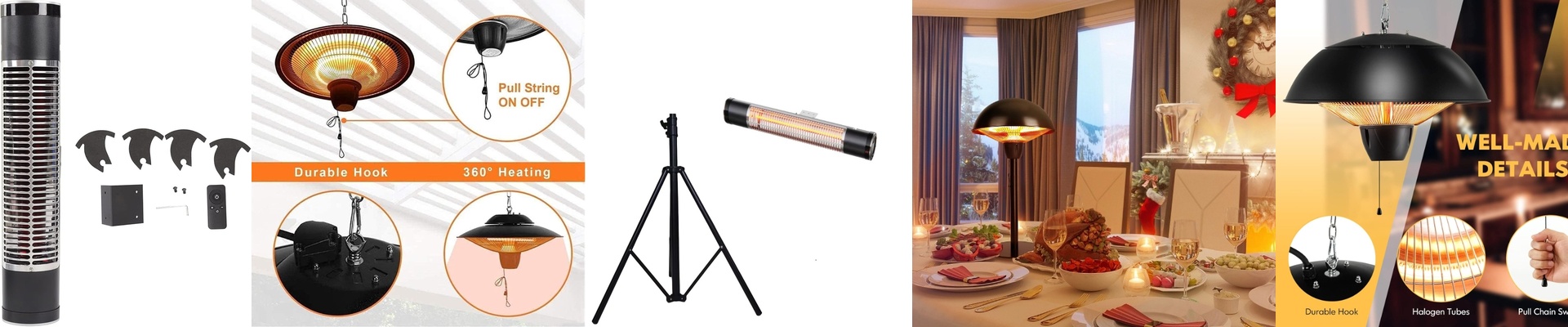
Anyone who’s spent time cutting glass knows the frustration of a “corner breakout.” You score it perfectly, you break it, and then—snap—the crack jumps. You end up with a jagged edge or a chipped corner that ruins the whole piece. Now you’re either tossing the part in the scrap bin or spending way too much time and money grinding it down to make it usable. It’s basically a fight against internal stress. The trick to stopping this is simple: don’t cut cold glass. We use shortwave infrared (IR) lamps to warm up the surface right before the cut happens. How it actually works Think of cold glass as being rigid and tense. When you break it, that tension makes the fracture want to wander. By hitting it with some targeted IR radiation, we soften the glass matrix just a bit. It doesn’t melt the glass, obviously. It just relaxes it enough so the crack follows your score line exactly where it’s supposed to go. You get a clean, crisp break. No jumping. No chips. Getting the setup right We usually go with shortwave quartz lamps. They’re great because they pack a lot of punch in a small space. You don’t have to waste time heating up a whole oven; the lamps hit the glass surface almost instantly. But you have to be careful with the settings. It’s a balancing act. If you crank the wattage too high or put the lamps too close, you’ll trigger thermal shock and crack the glass before you even touch it. Too low? And you’re right back to square one with brittle glass. To keep things steady, we use a pyrometer to watch the surface temp and tweak the heat in real-time. A few warnings from the shop floor If you’re planning to install these, just know it’s not exactly “plug and play.” First, think about your airflow. These high-wattage tubes get incredibly hot. If your ventilation isn’t dialed in, you’re going to melt your wiring or warp your reflectors. And please, keep the quartz tubes clean. A bit of dust or a few stray glass shards might not seem like a big deal, but they create hot spots. Those hot spots kill the tubes way faster than they should. Oh, and one last thing: use high-temp leads. Trust me, you don’t want to find out the hard way what happens when standard insulation meets an IR lamp.