Stop the Shattering: Why 0.1℃ Actually Matters for Your Glassware
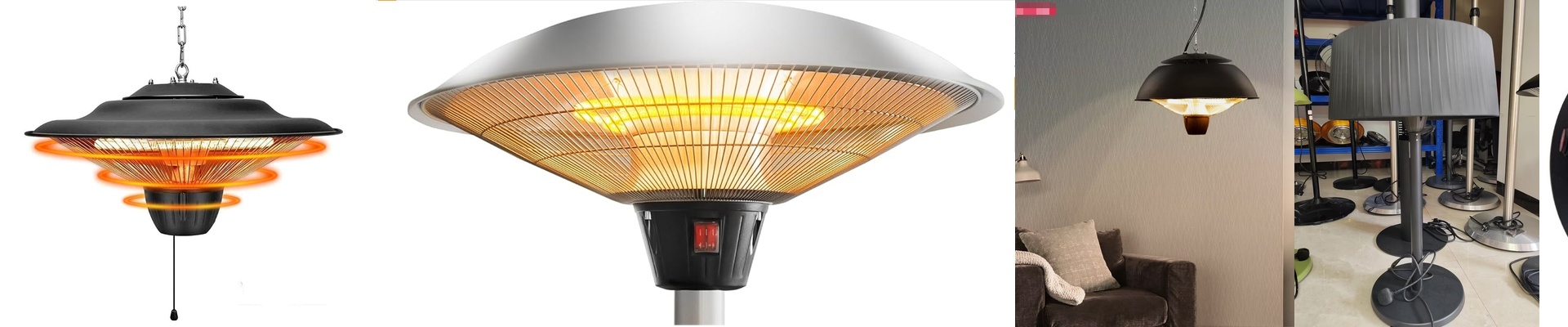
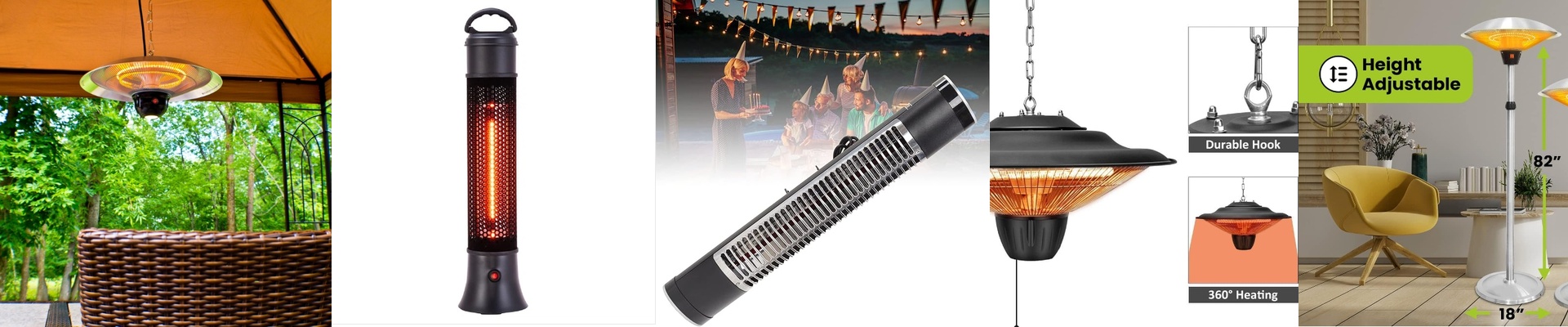
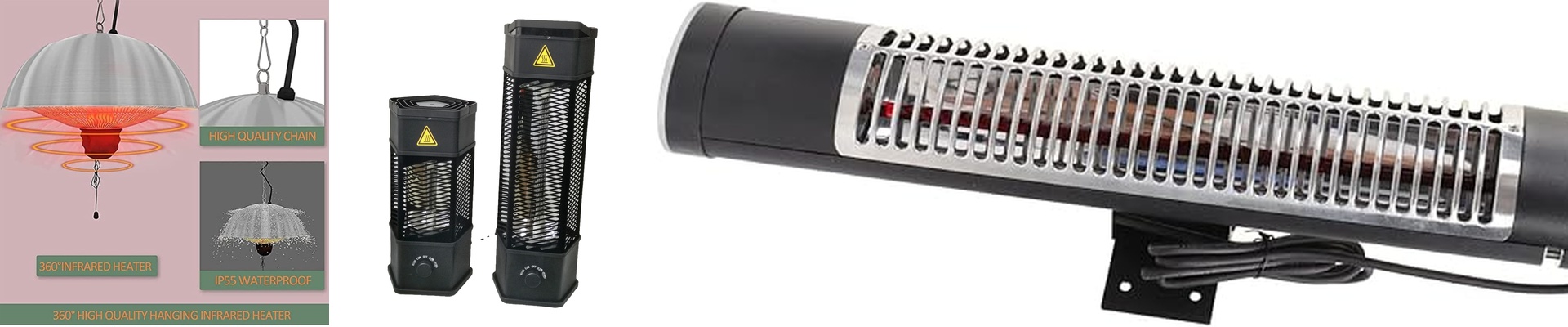
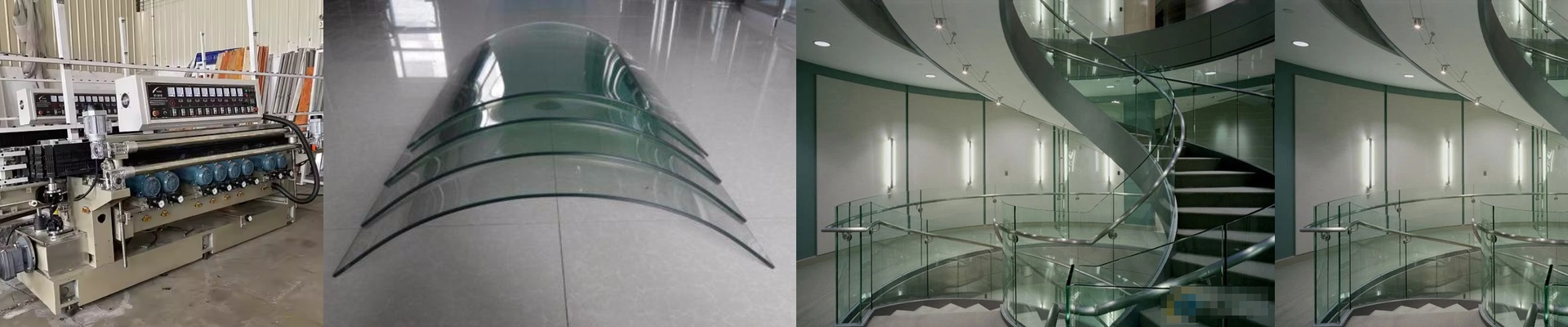
There is nothing worse than spending hours on a piece of lab-grade glass only to have it spontaneously shatter because of internal stress. It’s frustrating, it’s wasteful, and usually, it’s because the heating was just a little bit off. If your heater swings by even a few degrees, you’re playing a dangerous game with thermal shock. That’s why we lean on fast-response infrared heaters. We aim for a 0.1℃ tolerance during the annealing cycle because, in this game, the tiniest slip-up is the difference between a perfect vessel and a pile of shards. The problem with “standard” heating Here is the thing: glass has a very specific window where its molecular structure finally relaxes. To hit that window, you need a heater that reacts now, not in ten seconds. Most resistive heaters have too much “thermal lag.” They take forever to warm up and even longer to cool down. Our IR elements are different. They use radiation to hit the glass surface directly. No waiting around for the air to heat up. When the controller sees a 0.1℃ dip, the IR element adjusts instantly. It stops that annoying temperature overshoot that usually cracks thin-walled glass. The gear behind the precision We built these elements for speed. By using high-purity quartz and optimized filaments, we stripped away the excess thermal mass. The result? A faster ramp-up and a much sharper cut-off. It keeps the PID controller from “hunting” for the setpoint, meaning your temperature stays flat and steady. It just works. A couple of things to keep in mind Now, you can’t just plug these into any old wall outlet and expect magic. You need a clean power supply. If your grid is noisy or fluctuates, that 0.1℃ precision goes right out the window. I’d recommend a stabilized DC power source or a high-end SCR to keep the output smooth. And please, don’t skip the shielding. Since IR radiates everywhere, you need a properly spec’d reflective chamber. If you don’t insulate it, you’re just wasting power—and you might actually warp your machine frame. Not a great look.