
Stop Chasing Your Tail With Glass Annealing
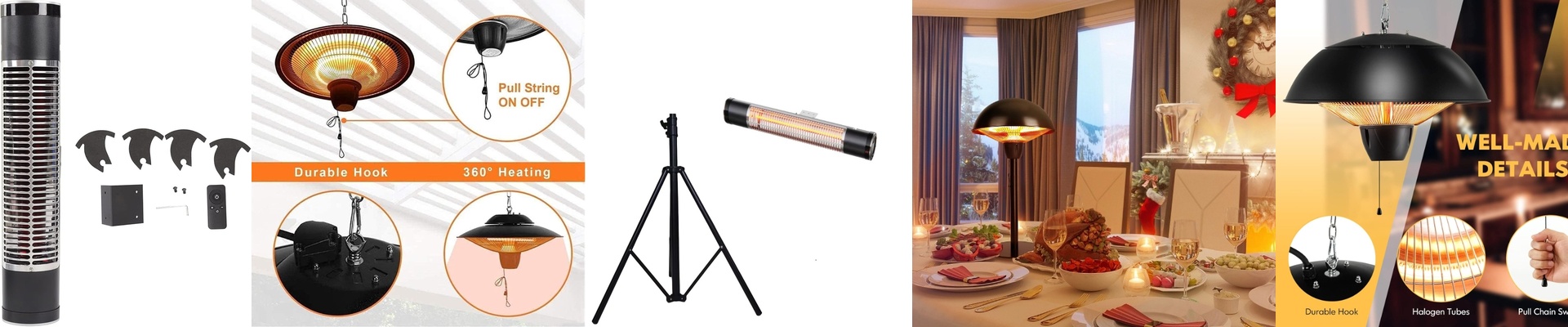
Ever feel like your glass cutting line has a mind of its own? One batch comes out perfect. The next? You’ve got weird stress patterns or glass breaking where it shouldn’t. It’s frustrating. You spend half your shift tweaking settings, but the “quality drift” just keeps happening. Usually, the culprit is hiding in your preheating zone. Here’s the thing: if your IR lamps aren’t putting out the exact same amount of heat, you’re fighting a losing battle. You get these invisible hot and cold spots across the glass. That uneven heat makes the glass expand in different directions, and that’s exactly how you ruin a good annealing process.
The Nitty-Gritty of Heat
We spend a lot of time obsessing over the power density of every single tube. Now, a 5% difference in power between two lamps might sound tiny on a spec sheet. But on the shop floor? That’s a temperature gap that actually changes how the glass flows. To fix this, we get really picky about how the filaments are wound and how thick the quartz envelope is. When every lamp in the bank hits the same wattage, the heat stays flat across the whole sheet. It means you can stop playing “whack-a-mole” with your zone controllers to make up for a few weak lamps.
The Trade-Off (And the Catch)
If you need high speeds, you probably use high-wattage shortwave lamps. They ramp up fast. But there’s a catch. Pumping that much heat into a small space puts a lot of pressure on your electrical gear. If your voltage spikes, those filaments can burn out fast. And here is the real kicker: the most consistent lamps in the world won’t help you if your power supply is jumping all over the place. If the input is unstable, the output will be too.
What This Actually Means for Your Day
When you switch to matched-set IR lamps, your life gets a lot quieter. You wire them up, set your PID loops once, and then you just… leave them alone. The preheating stage stops being a wild card and starts being a constant. No more guessing. No more praying the next batch comes out right. Just way less scrap and a lot more sanity during the cutting phase.