Stop Wasting Time Wiring Individual Lamps
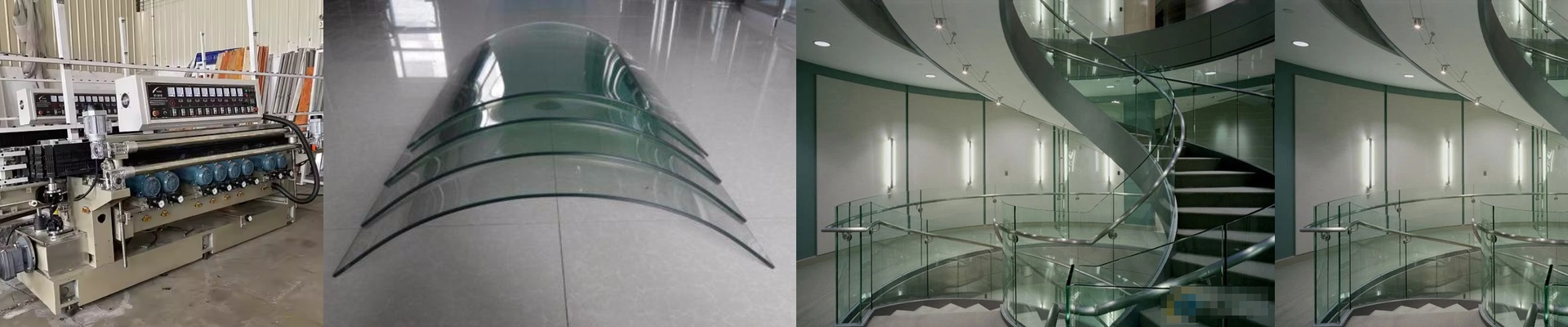
Let’s be honest: spending hours on your shop floor wiring individual infrared lamps into a frame is a drag. It’s tedious work that eats up your man-hours and, frankly, it’s a waste of your talent. When you’re dealing with marine glass tempering, you need the heat to hit every inch of those curves perfectly. That’s why we stopped thinking about “parts” and started building**modules**. Instead of sending you a box of components, we send you a pre-assembled, curved heating unit that just drops right into your line.
Why the curve actually matters
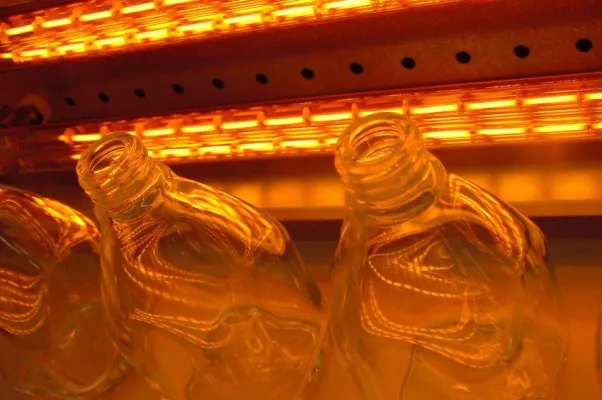
If you use a straight tube on curved glass, you’re asking for trouble. You get hot spots, which leads to optical distortion. Not a great look for high-end marine glass. We solve this by bending the quartz envelopes to match the exact radius of your glass. This keeps the distance between the filament and the glass exactly the same all the way across the arc. The result? The heat stays stable. No surprises. And we don’t just guess on the power. We calibrate the filament length and diameter based on your specific voltage and wattage. If you’re running high voltage to keep the current draw down, we make sure the filaments are built to handle it so they don’t burn out prematurely.
More than just a lamp
We aren’t just shipping you a bulb in a box. We build the whole support structure, handle all the wiring, and put the connectors in place for you. It takes the guesswork out of the setup. You won’t spend three days squinting and adjusting tubes to get them aligned. You justbolt the unit in and get to work. Depending on how fast you need to ramp up the heat, we’ll pick the right quartz grade. Shortwave IR is great for thin marine glass because it’s fast, but it’s tougher on the lamp ends. To fix that, we use reinforced seals so the vacuum holds up even when the temperature swings wildly.
The trade-off
Nothing is perfect. Here is the catch: turnkey modules take up more space. Shipping a pre-assembled unit is a bit bulkier than shipping a crate of tubes. Also, once we build that curved geometry, it’s set in stone. You can’t just tweak the radius on the fly. Because of that, you’ve got to bereally sureabout your glass curvature specs before we start fabricating. Get the measurements right, and you’ve got a system that just works.