Stop Gambling With Your Glass Cuts
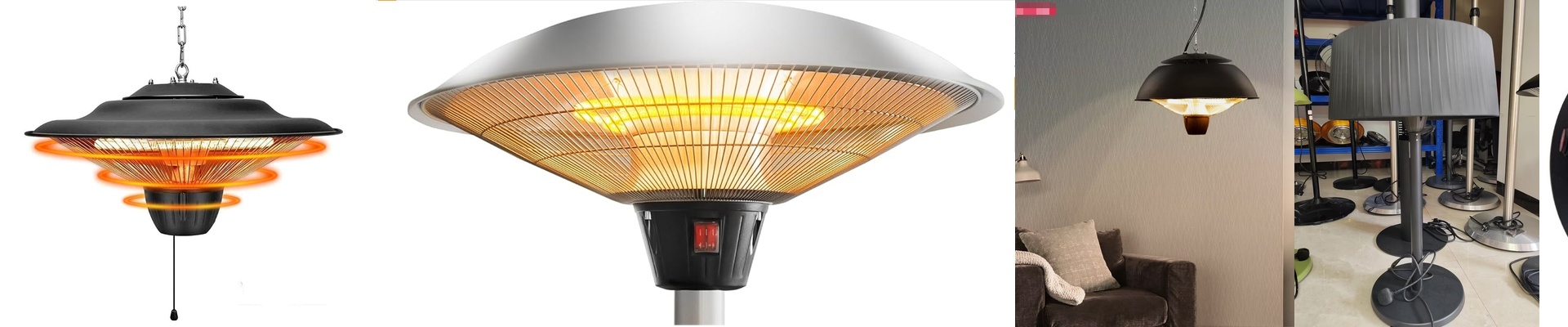
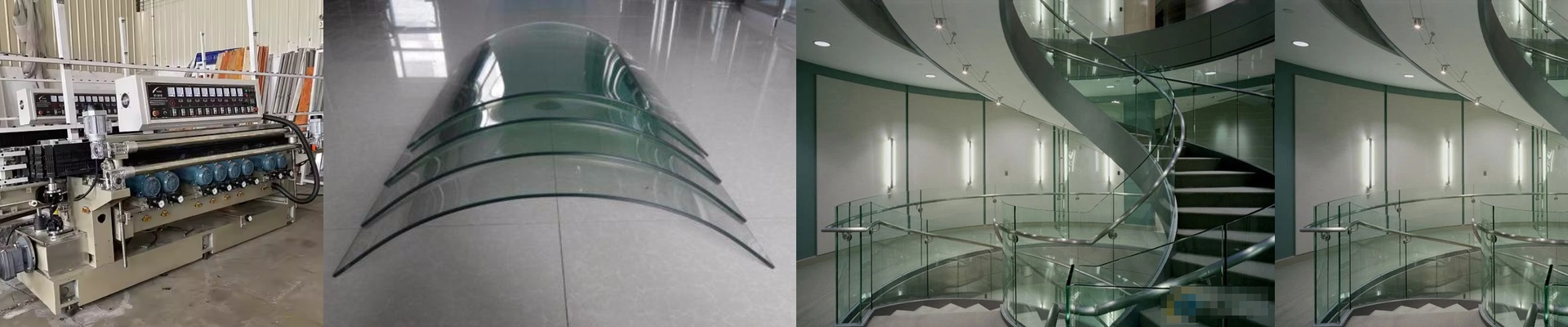
Cutting cold glass is basically a roll of the dice. You score it with a diamond wheel, but you’re creating this pocket of intense stress in the material. If there’s too much internal tension, the break won’t follow your line. You end up with those annoying chips and edge breakouts, especially on the corners. It’s frustrating, and it wastes material. The fix?Infrared (IR) preheating.
Why Heat Matters
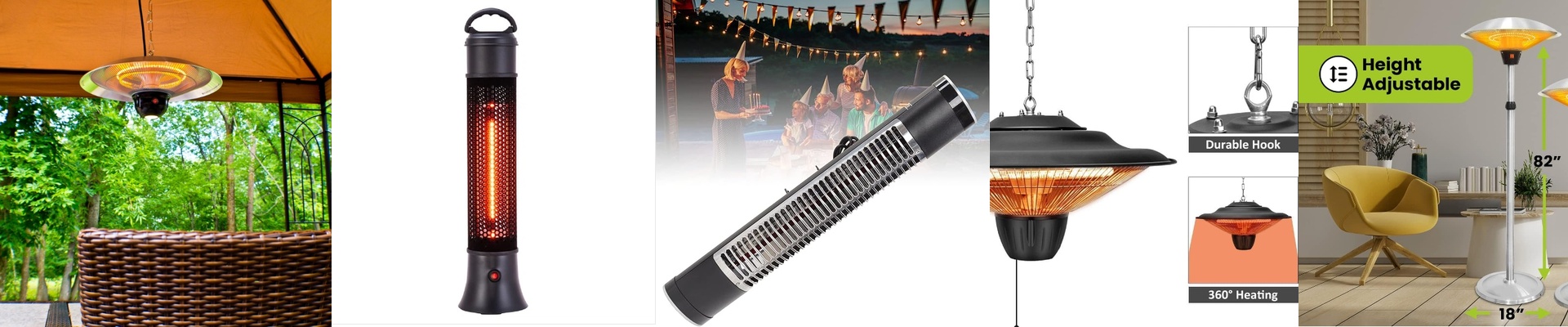
Here’s the thing: IR lamps don’t just warm up the surface. They actually shake up the molecular structure of the glass. When you get the temperature up to that sweet spot—usually between 60°C and 100°C—the glass stops being so brittle. It becomes a bit more “forgiving.” Because of that, the crack travels cleaner. You get a crisp, straight break. No jagged edges. No guesswork.
Setting Up the System
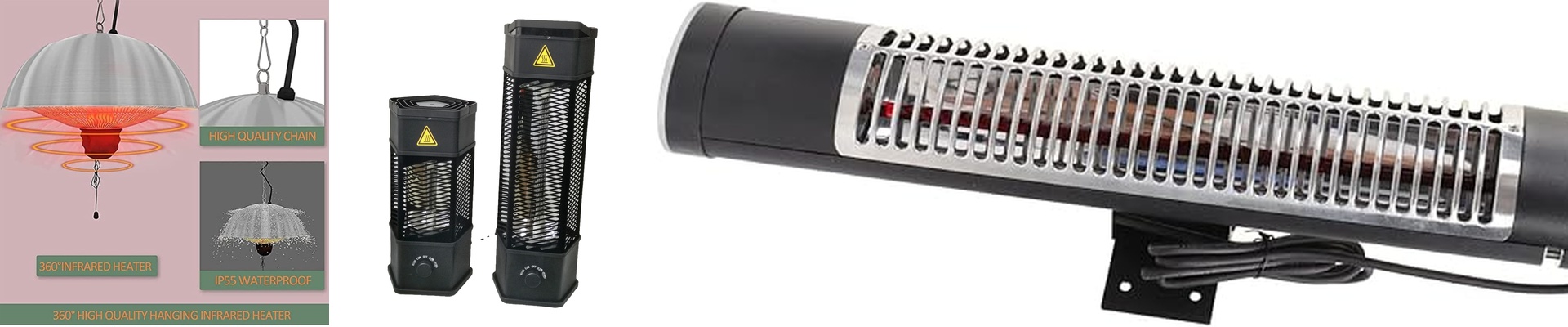
We use shortwave IR emitters because they react fast. Unlike those giant convection ovens that take forever, IR beams energy straight into the glass. This is huge for your floor space. You can heat the sheet while it’s moving toward the cutting head, so you don’t need a massive heating chamber taking up half your shop. But you have to be careful with your settings. If the lamps are too hot or sitting too close, you’ll get “hot spots.” If one area gets way hotter than the rest, the glass can warp or even crack before the blade even touches it. Your PLC has to be dialed in so the conveyor speed and lamp intensity stay in perfect sync.Consistency is everything here.
Keeping it Running
Industrial shops are dirty. Dust, grit, shavings—it’s a lot. And these lamps take a beating. We use quartz envelopes to handle the heat, but you still have to stay on top of maintenance. Keep those reflectors clean. If dust builds up, your efficiency drops, and the lamps have to work twice as hard to hit the target temp. And for heaven’s sake, check your cooling fans. If the airflow gets blocked, your sockets will fry in no time. Keep it breezy, and the system will last.