Dealing with Recessed Infrared Ceiling Heaters (Without the Headache)
Let’s be honest: putting infrared heaters inside your ceiling is great for the look of a room, but it can be a total nightmare when something actually breaks. Imagine this. You’re five years in, a heating element finally gives out, and suddenly you’re staring at a ceiling panel you don’t want to rip apart or a circuit that looks like a spiderweb of wires. It’s frustrating. And it’s a waste of time.
Making repairs actually easy
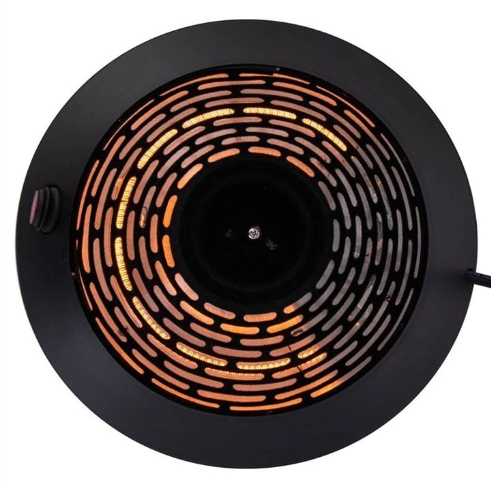
We decided to fix this by building our units with a modular chassis. Instead of soldering or hard-wiring everything into the main housing, we use a plug-and-play system. If a tube dies, you just pull the module out. That’s it. You don’t have to mess with the reflective housing or tear into the ceiling. It’s a simple swap. You pop the old one out, slide a new one in, and you’re done in a few minutes. No electrical overhauls, no downtime, and no swearing at the ceiling.
The tricky part: Heat and Space
Here’s the thing about recessed heaters—they trap way more heat in the ceiling void than the ones that just sit on the surface. If you aren’t careful, that heat can warp the housing or mess with your insulation. To stop that from happening, we use high-grade aluminum reflectors and thermal breaks. But you’ve still got to make sure your ceiling cavity can handle the load. If the air in the plenum can’t move, things get too hot, and your wiring insulation will start to degrade faster than it should. We always suggest leaving at least 50mm of clearance around the module. Just give it some room to breathe.
Keeping things running long-term
Industrial infrared tubes don’t last forever. After about five years of heavy use, you’ll notice they just don’t put out the same heat they used to. But because we went with a modular design, you don’t have to rip out the whole assembly. You just replace the tubes. It keeps your costs down and your footprint small. Just wire it up, snap the module back into place, and you’re back to full power. Simple.