Why Your IR Heater’s Lead-Wires Keep Failing (And How to Actually Fix It)
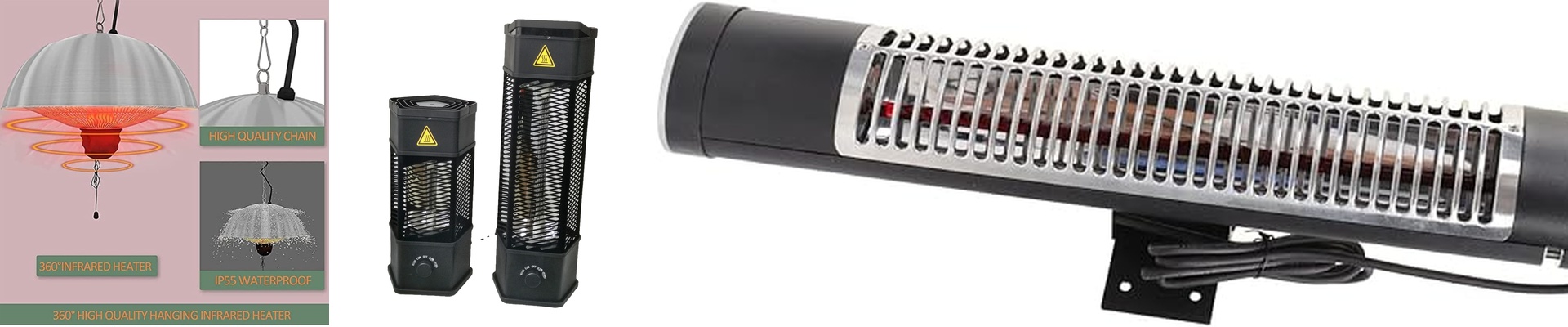
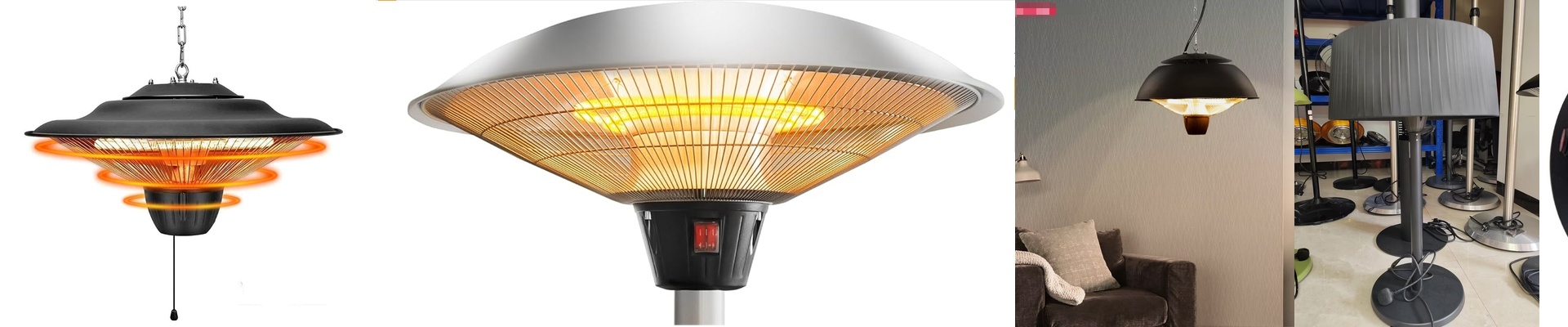
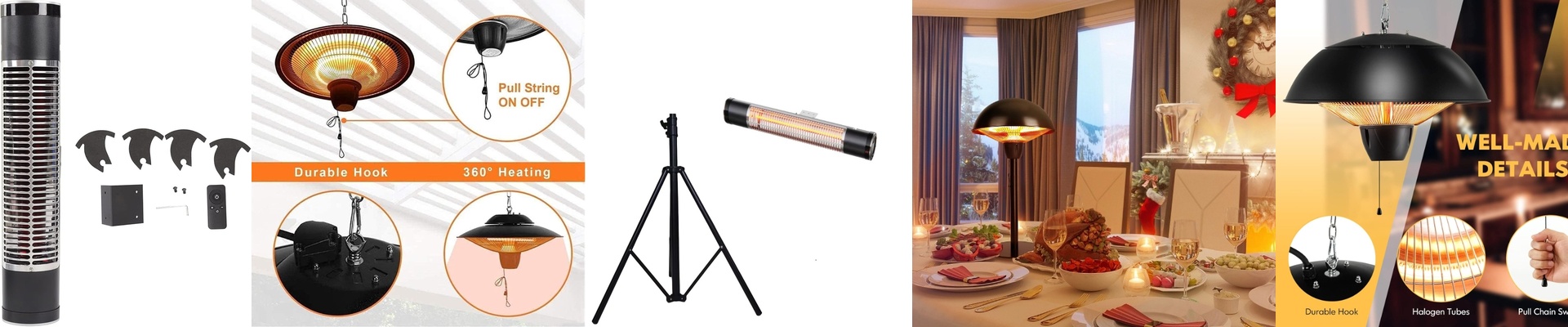
If you’ve ever dealt with ceiling-mounted infrared heaters, you know they get scary hot. But here’s the secret: the heating element usually isn’t what gives out first. The real trouble starts right where the power leads enter the quartz or ceramic tube. That little junction is the Achilles’ heel of the whole system. If that seal lets go, oxygen leaks in, the filament burns out, or the insulation just gives up—and then you’ve got a short circuit on your hands.
The “Thermal Soak” Problem
A lot of these units are put together with basic glue or some cheap silicone. That works fine on a test bench, but once they’re on a ceiling, the heat just sits there. It traps itself around the wiring terminals. Think of it as a “thermal soak.” Over time, that heat makes standard insulation crack and shrink. It literally pulls back, leaving the wires exposed. Then, one little vibration or a stray bit of moisture hits that spot, and pop—the unit is dead. We handle this differently. Instead of just slapping some glue on there, we use high-Tg resins and compression seals. We’re basically creating a tight, airtight barrier. It keeps the inside stable and stops that annoying “creep” that leads to electrical arcs.
Why “OEM-Grade” Isn’t Just a Buzzword
You’ll see plenty of generic heaters that use a “dip and dry” method. It looks okay for a while, but usually fails after a few hundred hours of cycling. Real professional sealing is more of a craft. It requires precision machining of the lead-in hole and a curing process that happens in stages. The result? A seal that doesn’t get brittle. When your heater jumps from room temperature to 600°C, the seal expands and contracts right along with the envelope. No gaps. No corrosive air leaking in. Just a solid connection that lasts.
One Thing to Watch Out For
Better sealing lets you pack more wattage into a smaller space, which is great. But there’s a catch. When you increase the heat density, your mounting brackets have to be able to handle the expansion. If your housing is too rigid, it puts physical stress on the connection. Even the best seal in the world can snap if the frame doesn’t give a little. When you’re picking your mounts, make sure they’re rated for how quartz actually moves when it gets hot. It’ll save you a massive headache down the road.