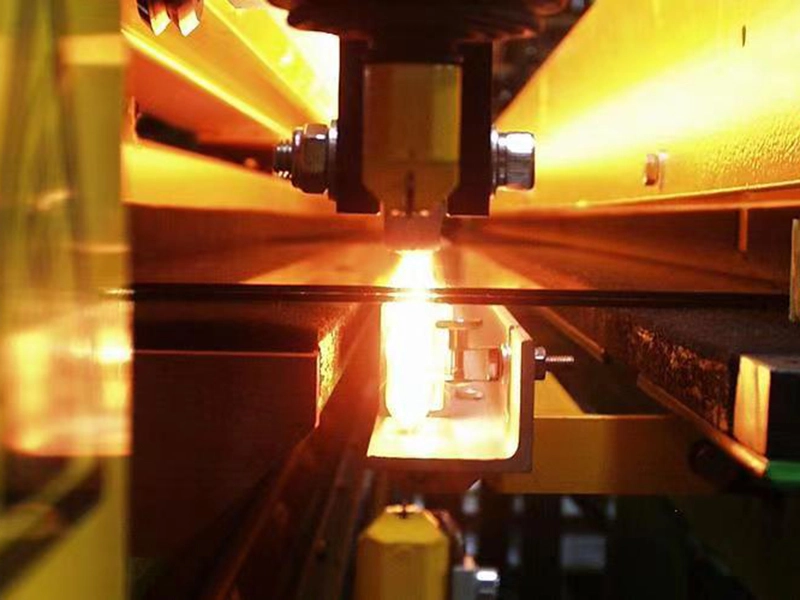
Cutting through ultra-thick glass is a brutal process. If you’ve ever tried to force a cutting wheel through a cold, heavy slab, you know the feeling. There’s this massive amount of friction that just fights you every inch of the way. The result? Your tools take a beating. The cutting edges chip, they dull almost instantly, and you spend way too much time swapping out parts instead of actually working. It’s frustrating and expensive. We found a better way: we use high-penetration infrared (IR) heating lamps to soften the glass right where you’re cutting. Here’s the thing about heat. Most standard lamps just warm up the surface, which doesn’t really help when you’re dealing with thick plates. You need shortwave IR. These wavelengths actually sink deep into the glass rather than just bouncing off the top. By hitting that specific cutting line, the lamp bumps up the temperature just enough. It takes the edge off the material’s hardness, letting the wheel glide through. It feels less like a fight and more like a smooth slice. To make this work, we use lamps with high heat density and a quartz envelope. This ensures the energy goes straight into the glass, not the lamp itself. But you have to be careful with the setup. The lamp needs to be lined up perfectly with the cutting head. If your focal point is off, you’re just wasting power—and worse, you risk uneven heating, which is a great way to make your glass crack in places you didn’t intend. The real win here is your tool life. Since you aren’t fighting the full force of the glass, your cutting wheels last way longer. It’s a simple trade: you add a heater to your rig so you can stop burning through expensive consumables. Just a heads-up: these high-wattage lamps put out a lot of heat. If your machine’s cooling system isn’t ready for the extra load, you might cook your sensors or stepper motors. Also, do yourself a favor and use high-temp cabling. You really don’t want to deal with melted insulation.