Getting Your Glass Oven Back Up and Running with Quartz IR Lamps
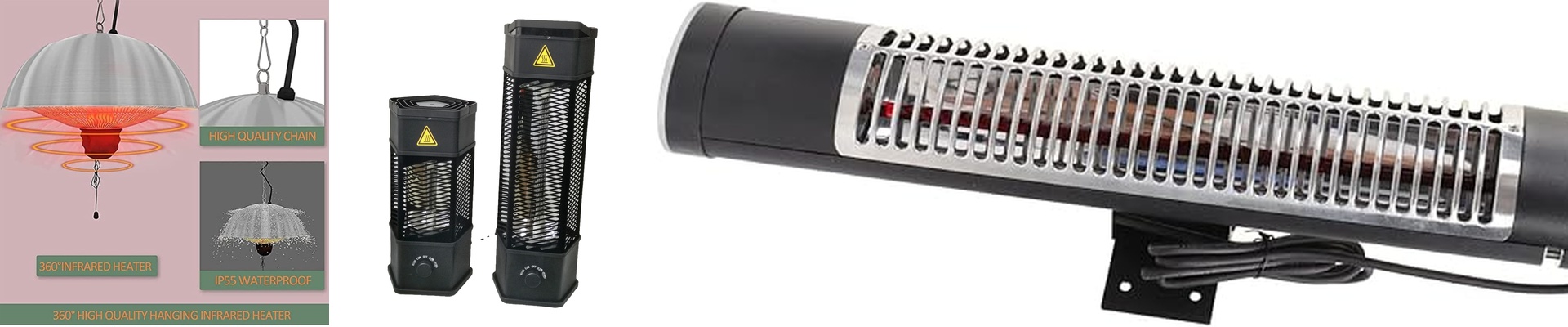
Dealing with glass ovens is a balancing act. If your heat isn’t exactly right, you’re looking at stress fractures or uneven annealing—which basically means wasted material and a lot of frustration. We make quartz infrared lamps that simply work. No fuss, no “custom modifications” required. They’re designed to be drop-in replacements, so you can spend less time tinkering with the machine and more time actually producing. The fit is everything Let’s be honest: oven connectors are a mess. You’ve got screw-ins, R7s, and those weird proprietary shapes that seem to exist just to make your life harder. We don’t do “close enough.” We match your footprint exactly. Whether you’re dealing with spiral heads or custom terminals, our lamps slide right in. You won’t have to rewire your control cabinet or hack away at the housing. Just pull the old tube out, slide the new one in, and you’re back in business. Heat that actually hits We use high-purity quartz because it’s the only stuff that can handle this kind of heat without warping into a pretzel. Inside, there’s a tungsten filament that pumps out short-wave infrared radiation. What does that mean for you? The heat penetrates the glass surface fast. Your ramp-up times get shorter, and your workflow gets smoother. But here is a pro tip:**be careful with your hands.**Quartz is finicky. If you touch the tube with your bare fingers, the oils from your skin create hot spots. Those spots lead to premature burnouts. It’s a pain, but always wear gloves or give the tube a quick wipe with isopropyl alcohol before you flip the switch. Making it all play nice We want this to be a painless upgrade. By matching the voltage and wattage of what you already have, we make sure you aren’t overloading your power supply. Now, if you’re thinking about jumping to a higher wattage to speed things up, just double-check your wiring gauge and contactors first. You want to make sure they can handle the extra amperage. We can also do custom lengths and connectors. Why? Because if the lamp doesn’t sit perfectly flush against the reflector, you’re losing heat. And in this business, every bit of projection counts.