The Reality of Building Long-Length IR Heaters for Tunnel Kilns
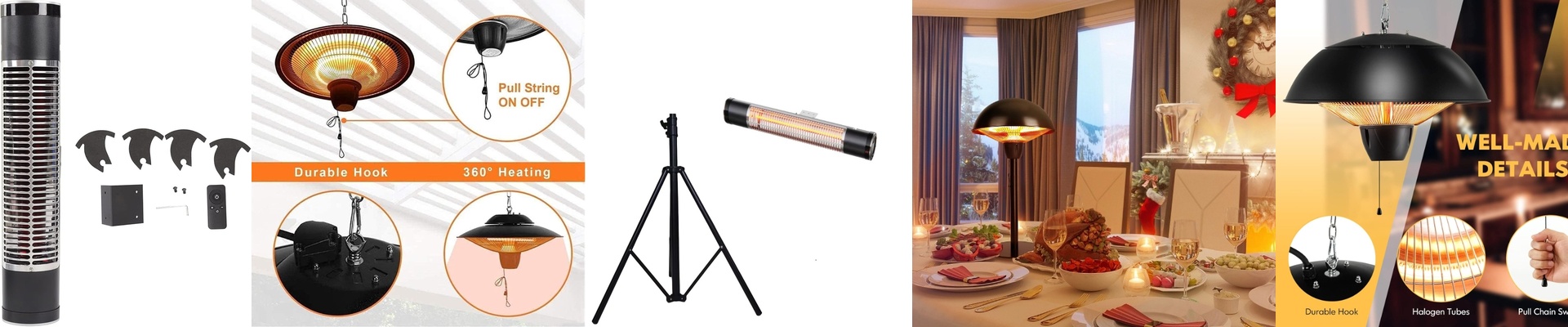
If you’re trying to heat a glass tunnel kiln that spans several meters, you quickly realize you can’t just take a standard lamp and stretch it out. It doesn’t work like that. When you get into the 2-meter-plus range, physics starts fighting you. You’re dealing with voltage drops, glass that wants to bend, and the constant fear of a fragile quartz tube snapping. Getting the heat right The biggest headache is avoiding cold spots. Nobody wants a “patchy” heat profile in their tunnel. We don’t just daisy-chain short lamps together—that’s a recipe for uneven temperatures. Instead, we build these as continuous arrays. We spend a lot of time tweaking the filament length and how tightly it’s wound. The goal is simple: make sure the heat is exactly the same at the start of the lamp as it is at the end. The struggle with quartz We use high-purity quartz because it’s the only thing that can handle the shock of rapid heating and cooling without shattering. But here’s the catch: once a glass tube gets longer than 2 meters, it starts to sag. Or it vibrates. If that filament shifts even a tiny bit and touches the glass wall?**Boom.**It burns out instantly. To stop that from happening, we use reinforced support brackets and precision sleeves. It keeps everything centered and steady, so the filament stays exactly where it belongs. The trade-offs you need to know Wiring these things is a heavy-lift job. We use industrial-grade connectors because the current load is massive. If you use cheap parts, your terminals will overheat, and that’s a problem you don’t want. But there is a real risk to going “ultra-long.” If you have one massive 2-meter lamp and it fails, you’ve just lost a huge chunk of your heat zone. It’s a gamble. You have to decide if you want that perfectly continuous look or if you’d rather have a setup that’s easier to swap out when something inevitably breaks. Also, keep an eye on your power supply. These long filaments pull a lot of juice the second you flip the switch. If your breakers aren’t spec’d for that initial inrush, you’ll be spending more time resetting your electrical panel than actually running your kiln.