Stop Gambling With Your Glass Cuts
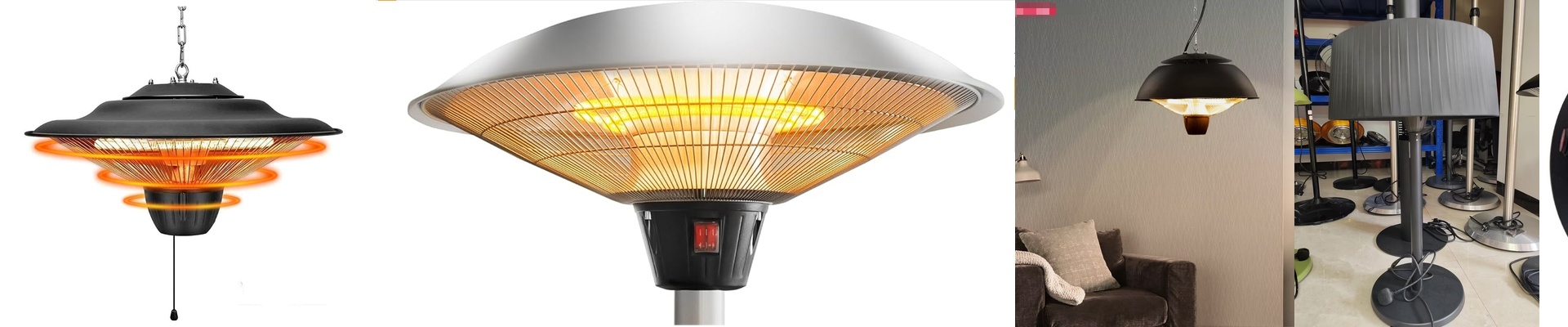
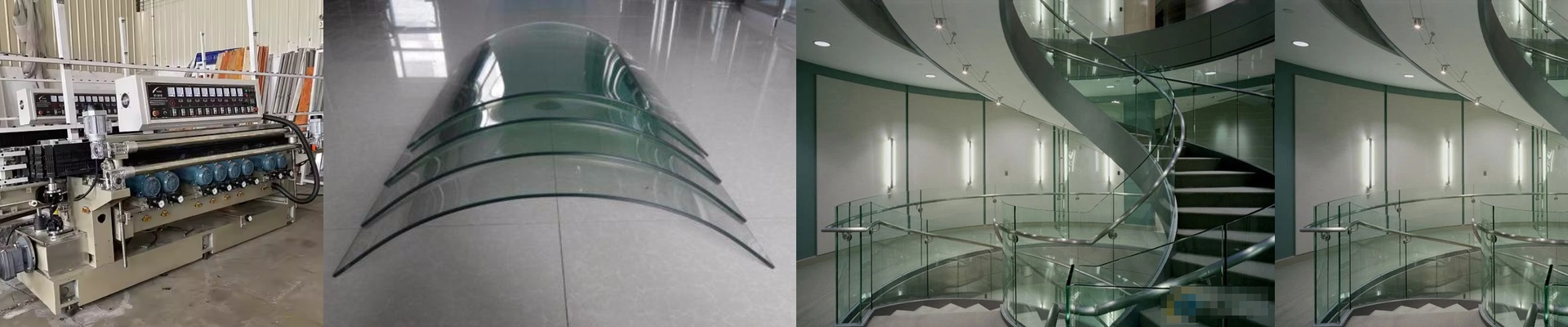
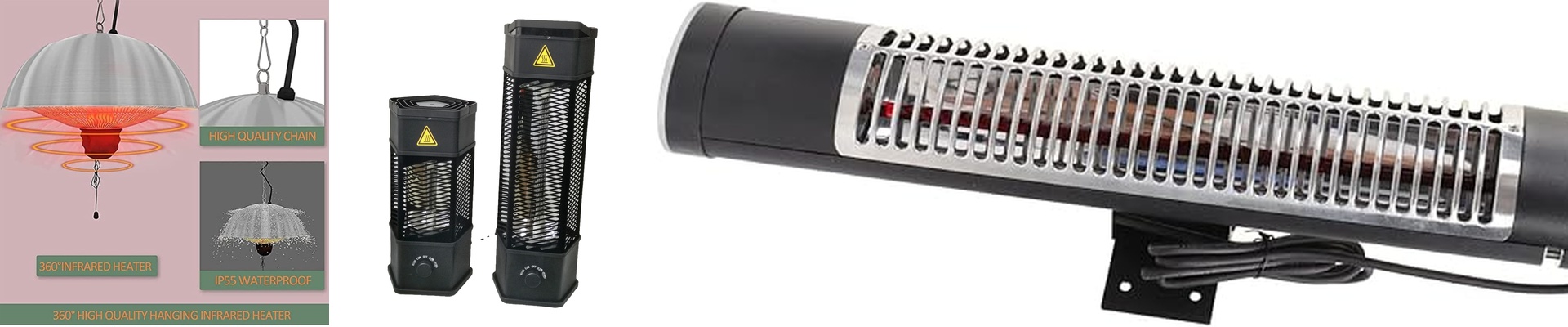
Cutting cold glass is basically a game of chance, and not the kind you want to play. When a diamond wheel hits a cold sheet, the internal stress just snaps. You get these tiny micro-cracks that run wild, leading to those annoying chips and corner breakouts. It’s frustrating, and it ruins a perfectly good piece of material. That’s why we use infrared (IR) quartz lamps to warm the glass right before the cut. Think of it as “softening” the glass. It relaxes the internal tension and lets the crack follow your score line exactly where it’s supposed to go.
Why the heat actually works
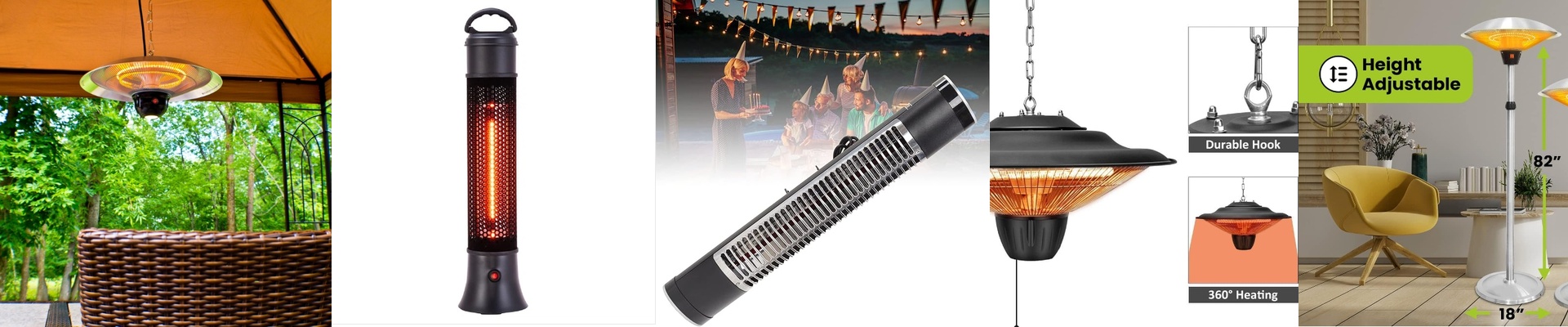
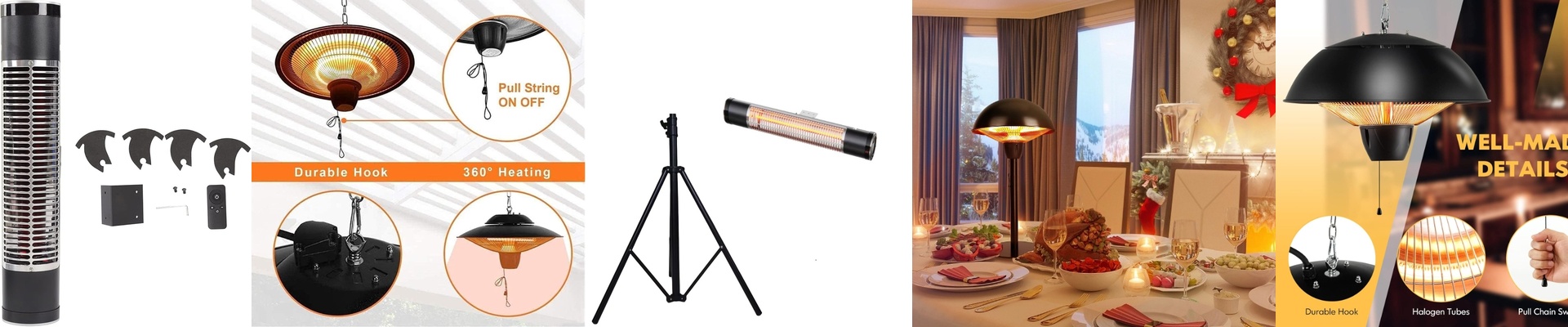
We don’t just use any heater. We go with short-wave infrared quartz lamps because they don’t waste time heating up the air in the room. They go straight for the glass molecules. By hitting a specific temperature, you take the “brittle” edge off the material. The result? A clean, satisfying snap. If you skip this, you’re dealing with jagged edges. Then you’re stuck spending hours—and a lot of money—on secondary grinding just to fix a mistake that shouldn’t have happened.
Setting it up right
If your conveyor is moving fast, you need lamps with high watt density. We stick with fused quartz tubes because they can handle the heat without warping or bending out of shape. They hit the glass hard and fast. But here’s the trick: you have to find the sweet spot. Too much heat and you’ll get thermal shock, which cracks the glass before the cutter even touches it. Too little, and you’re back to square one with brittle glass. To keep it dialed in, you’ll want a PID controller and a thermocouple. It keeps the temperature window tight so you aren’t guessing.
The “Gotchas” (Maintenance)
One warning: quartz lamps are picky. A single fingerprint or a smudge of oil on the tube can create a hot spot. That’s a fast track to burning out your lamp way too soon. Always wear gloves when you’re handling them. Also, keep an eye on your power. These high-output lamps pull a lot of current. Make sure your wiring and power supplies can actually handle the peak load, otherwise you’ll deal with voltage drops that mess with your consistency.