Fitting Pro-Grade Heat Into a Portable Glass Repair Bracket
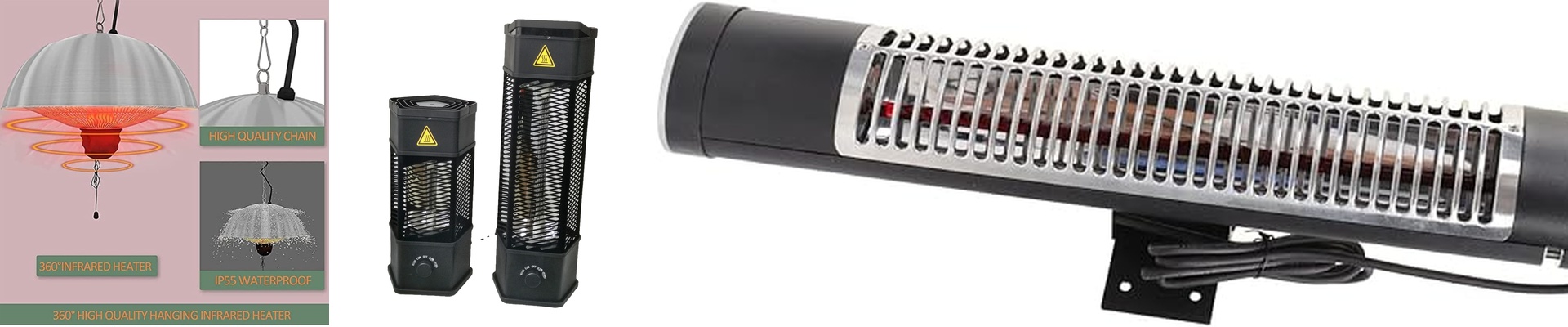
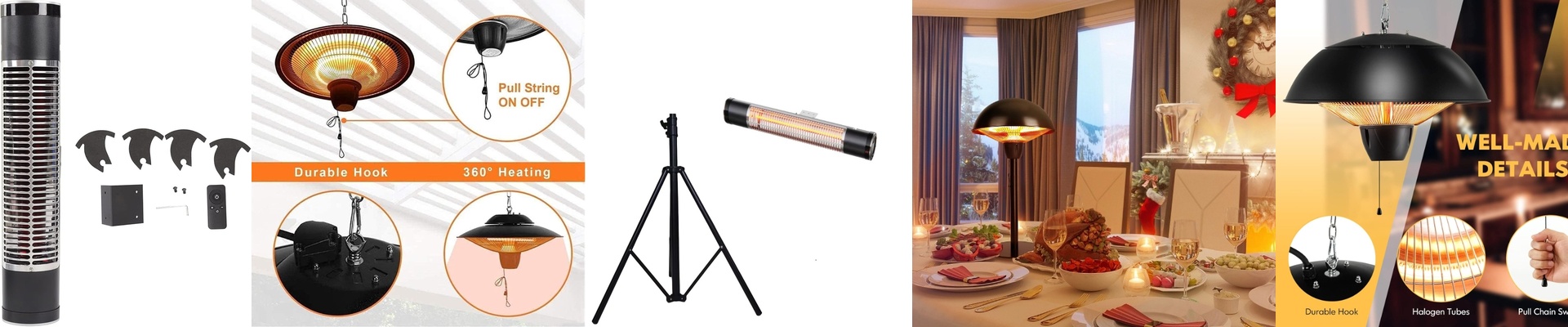
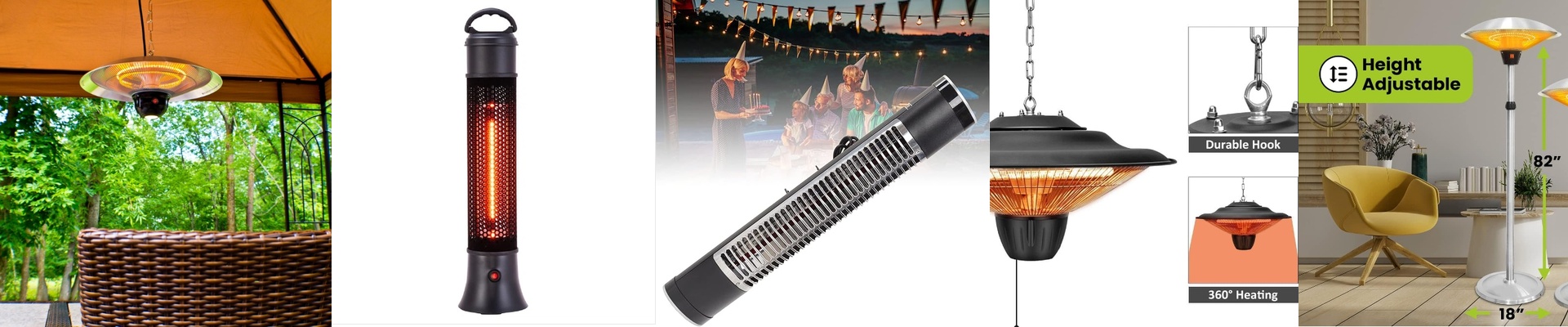
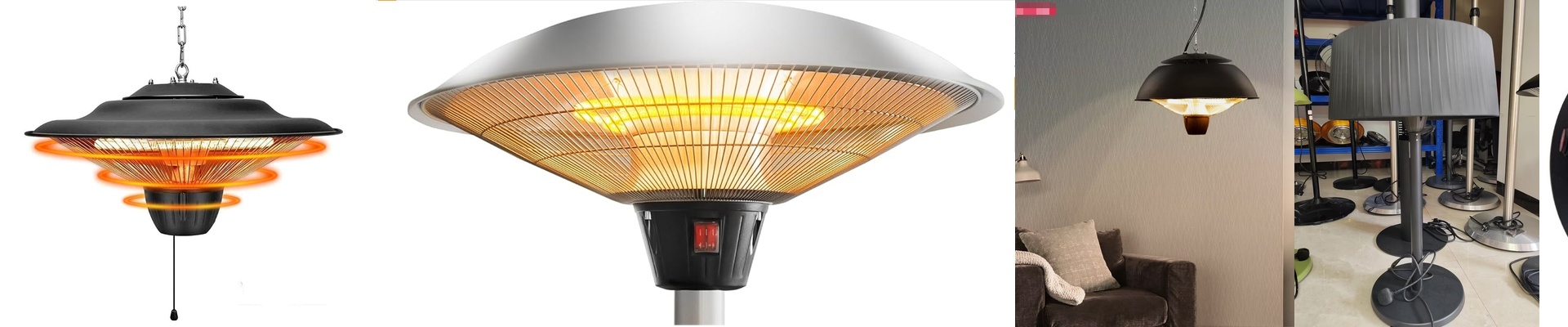
When you’re trying to squeeze high-output heating elements into a mobile bracket, you’re basically fighting for every single millimeter. It’s a tight squeeze. To get the cure speed you need without lugging around a massive power supply, we lean on short-wave quartz infrared (IR) lamps. These things are powerful. They push energy right into the adhesive or the glass almost instantly. No waiting around. The struggle with small spaces Here’s the thing: when you shorten a lamp to fit a portable frame, you lose the surface area that normally radiates heat. To fix that, we just crank up the wattage per centimeter. Because we use high-purity quartz glass, we can push the filament to some seriously high temperatures without the tube melting or bowing. You end up with a concentrated “hot spot” that hits the glass fast. But there’s a catch. All that heat in such a small tube gets intense. If your bracket is made of plastic or thin aluminum, you’ve got to use heat shields or some kind of cooling. Otherwise, your frame is going to warp, and that’s a mess nobody wants. The nitty-gritty on the gear We go with halogen-filled quartz tubes. They last longer and keep the heat steady. Honestly, short-wave IR is the only real way to get the rapid ramp-up times you need when you’re working out in the field. The wiring is where it gets tricky. We use compact end-caps to keep the footprint tiny, but you have to be careful with the power controller. Quartz lamps have very low resistance when they’re cold. If your voltage spikes the moment you flip the switch, you’ll pop the filament. Just like that—broken lamp. Bringing it to the driveway In the real world, glass repair is all about a fast, controlled cure. With these lamps, you can move the bracket into place and get results in seconds. It’s the difference between spending twenty minutes idling in a parking lot and getting the job done and moving to the next call. Just a tip: keep a precise gap between the lamp and the glass. If you get too close, you’ll overheat the edges. Find that sweet spot, and you’re golden.