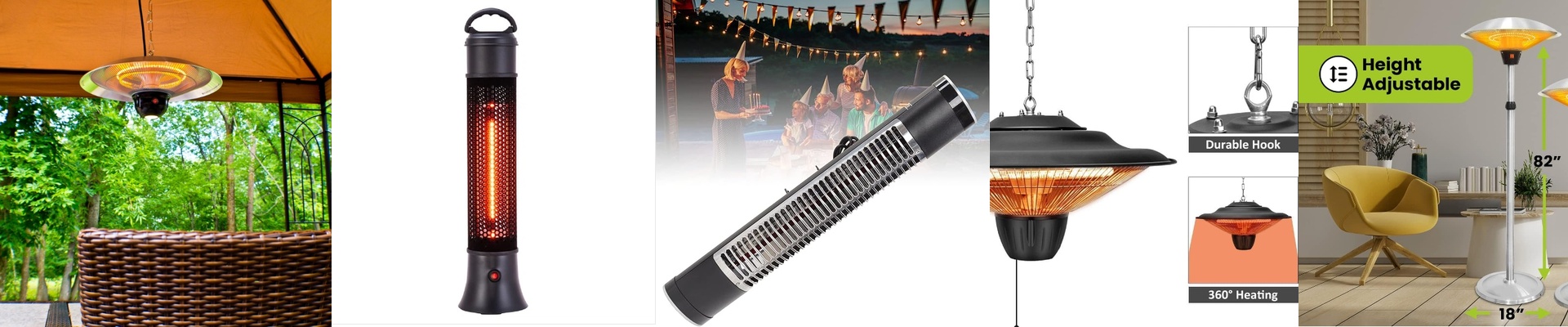
Keeping Your Patio Heaters Alive in the Rain
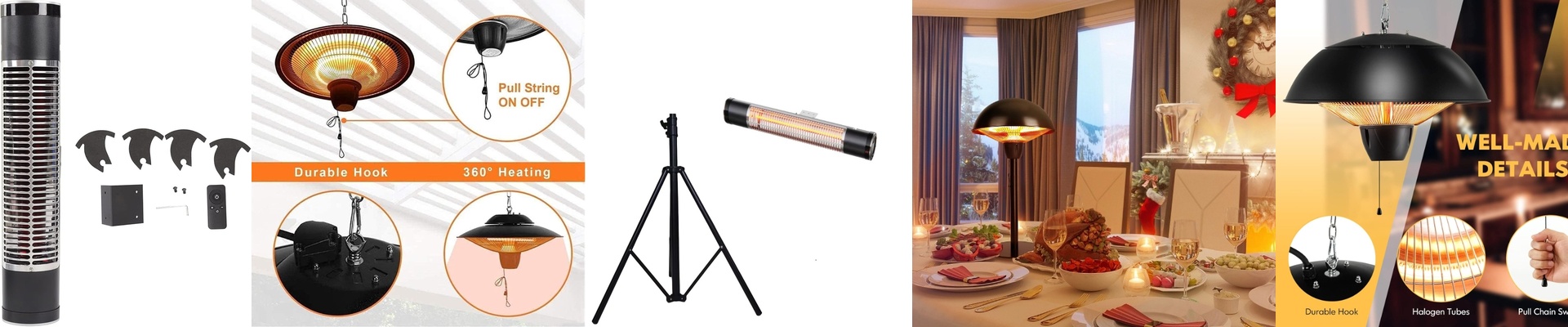
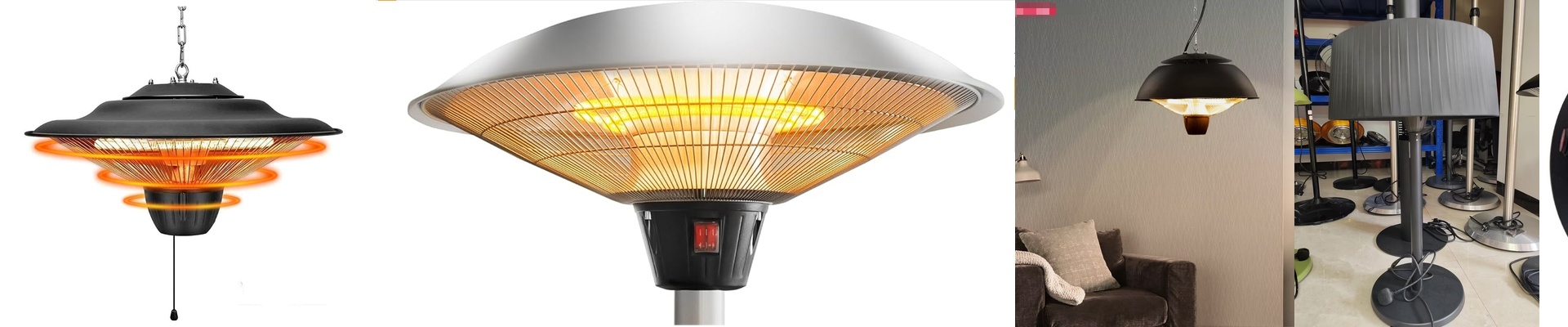
If you’ve ever run an outdoor bar, you know the drill. Humidity, condensation, and the occasional sudden downpour are just part of the job. But for a heater, that environment is a nightmare. We’ve spent a lot of time figuring out how to stop the weather from killing our gear. It mostly comes down to two things: how we seal the guts of the machine and how we protect the heating element itself.
Why water and heat don’t mix
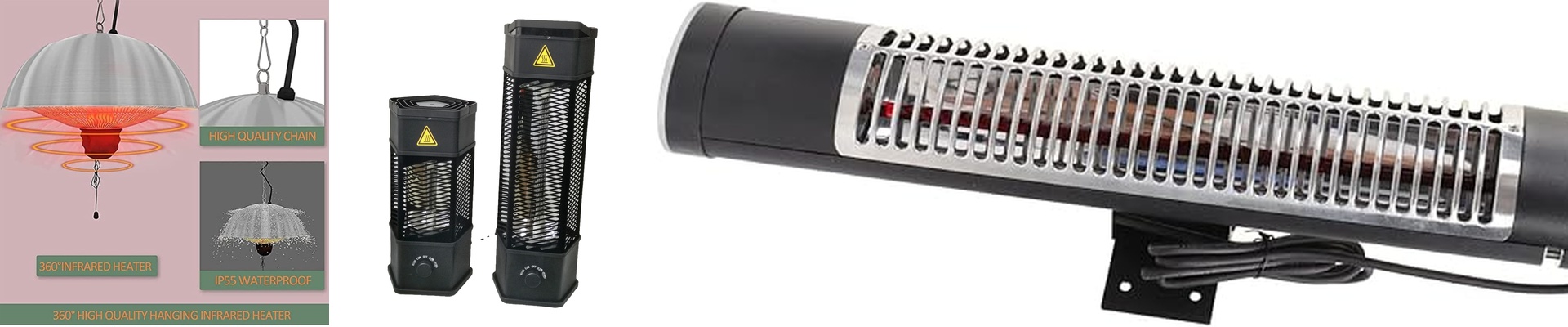
Here’s the thing: water is the natural enemy of a high-wattage infrared lamp. Imagine a glowing hot quartz tube. Now imagine a cold raindrop hitting it. That sudden temperature swing—thermal shock—can shatter the glass instantly. Even if the tube holds up, moisture loves to sneak into the electrical terminals. Once that happens, you’re looking at short circuits or rusty contact points that just stop working. We tackle this with a two-step defense. First, we use heavy-duty gaskets and sealed housings to keep the wiring bone-dry. Then, we add anti-fogging coatings to the reflectors. It sounds like a small detail, but it stops condensation from scattering the heat, keeping the warmth pointed exactly where your customers are sitting.
Avoiding the “burn out”
A standard indoor heater will die almost immediately on a patio. We build our outdoor units with splash-proof seals around the lamp sockets. This stops “wicking,” which is just a fancy way of saying water shouldn’t be able to travel along a wire and crawl right into the connection. By keeping those electrical junctions isolated, we stop the oxidation that usually causes voltage drops and kills the element way too early.
The trade-off
Now, there is a catch. Waterproofing makes things bulkier. To get that level of protection, we have to use thicker seals and enclosed casings. This means the air doesn’t move around the chassis as freely as it would in a stripped-down model. Because of that, just make sure your mounting brackets leave a bit of breathing room. You want to prevent the outer housing from getting too hot, even though the heat beam itself is shooting straight down. It’s a simple trade-off. A few extra inches of clearance means you spend your time serving drinks and keeping the patio open during the rainy season, rather than climbing a ladder to swap out another burnt-out tube.