How to actually size your bathroom infrared heater
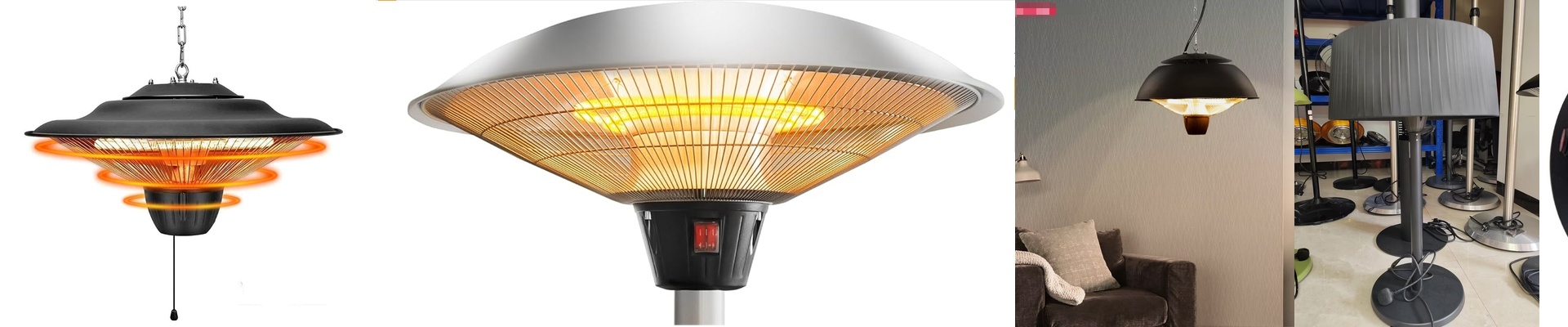
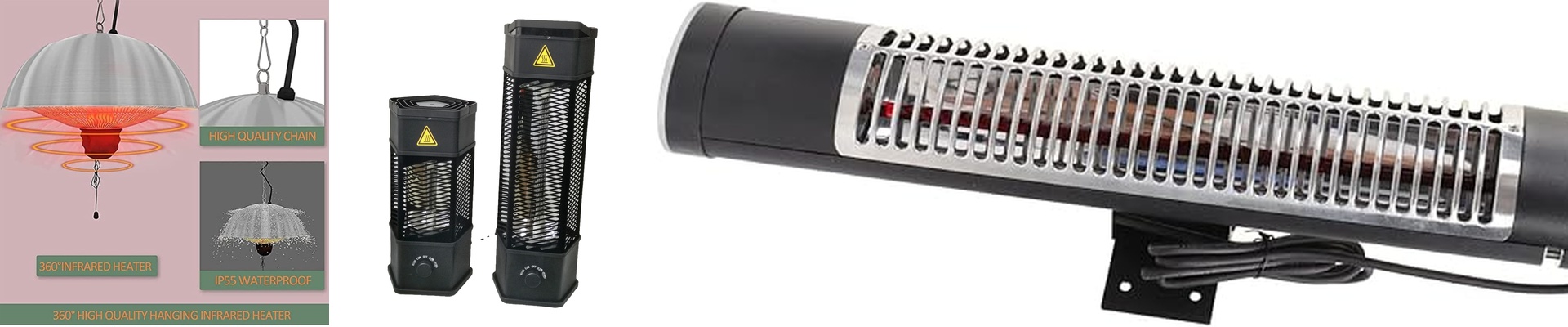
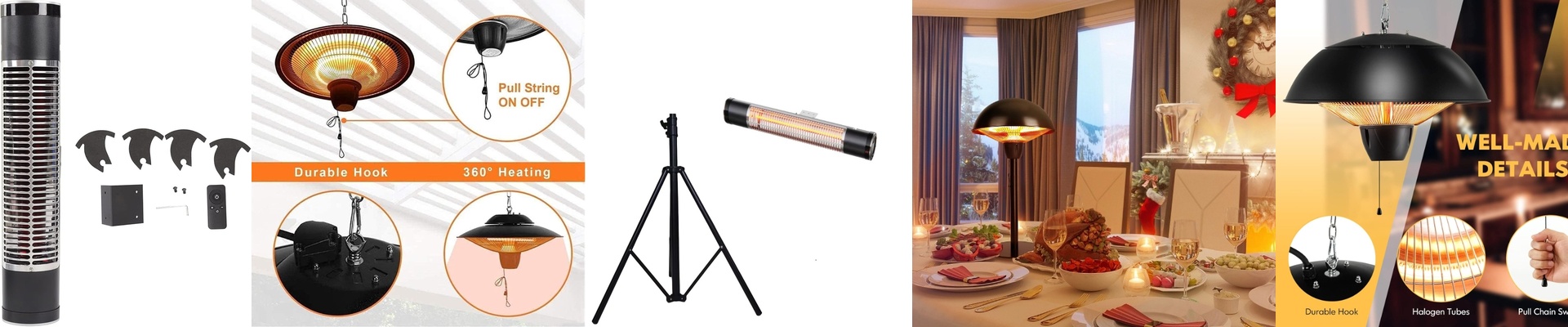
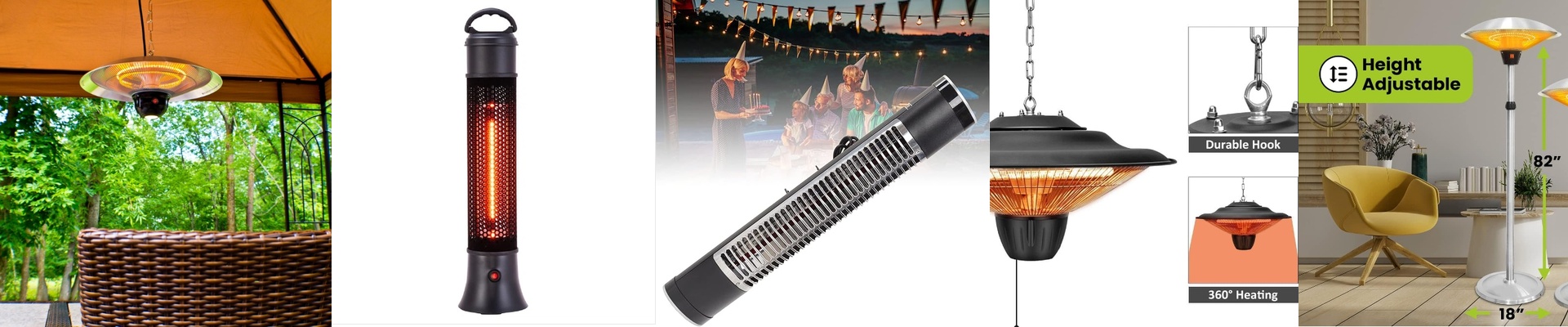
When it comes to bathroom heaters, the instinct is usually to just buy the biggest, most powerful lamp you can find. But here’s the thing: more power isn’t always better. If you overdo it, you end up with “hot spots”—those annoying areas where you feel like you’re being scorched while your toes are still freezing. It’s all about the space you’re working with. Finding the right fit If you’ve got a tiny powder room (anything under 4m²), you really don’t need a massive 1000W setup. A modest 400W to 600W unit is plenty to get that cozy, radiant warmth without wasting electricity. For those larger master baths—the 8m² to 12m² kind—you’ll need more kick. But instead of one giant, overheating unit, we suggest splitting the load. Try two 600W lamps in different spots. It spreads the heat across the floor much more evenly, so you aren’t shivering the moment you step away from the heater. The “Water” Problem We all know Water and electricity are a dangerous mix. That’s why we stick to IPX4-rated gear. In plain English? It means the housing is built to handle splashes from any direction without shorting out. We use sealed gaskets and special coatings on the quartz tubes. This is a big deal because it stops the glass from cracking when a cold drop of water hits a searing hot element. No one wants a shattered lamp in their shower. Speed vs. Your Circuit Breaker Sure, a higher wattage gets the room warm faster. Physics doesn’t lie. But there’s a catch. High-wattage lamps pull a lot of current. If you’re dealing with an older home with thin wiring, slapping in a 1500W system is a great way to trip your breakers or, worse, overheat your circuits. Before you commit to a power level, take a quick look at your amperage limits. It’s a balancing act: you want that instant warmth, but not at the cost of your electrical panel.