
Making Your Outdoor Heat Smarter (Without the Headache)
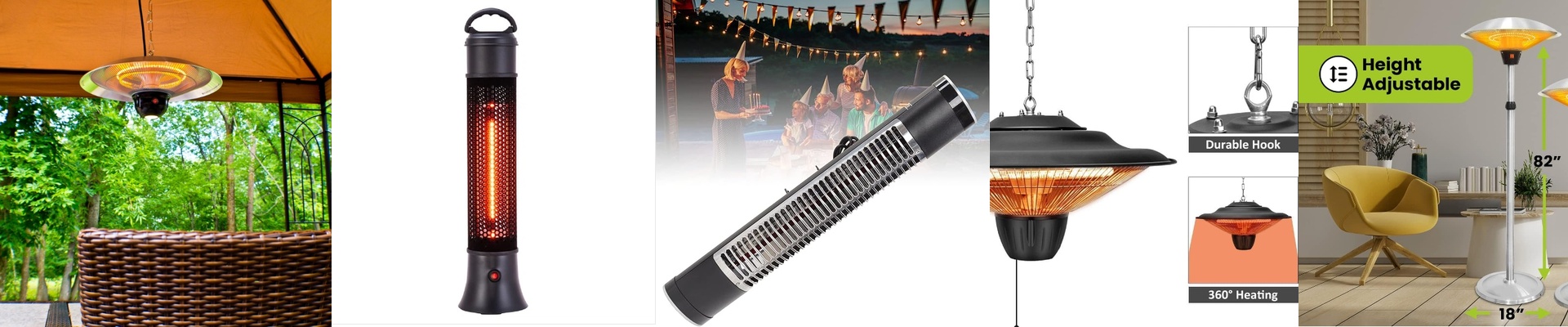
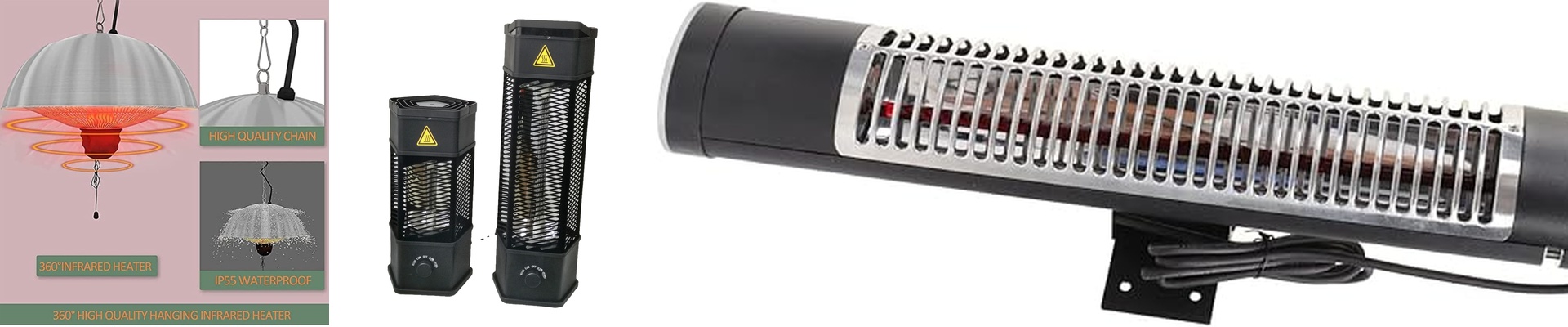
We build our IP65 infrared heaters to take a beating. Rain, dust, splashes—none of that should make your heater short out. But the real magic happens when you stop flipping a manual switch and let a smart home system handle the heavy lifting. The goal is simple: you want to feel the heat the second you need it.
Why it feels different
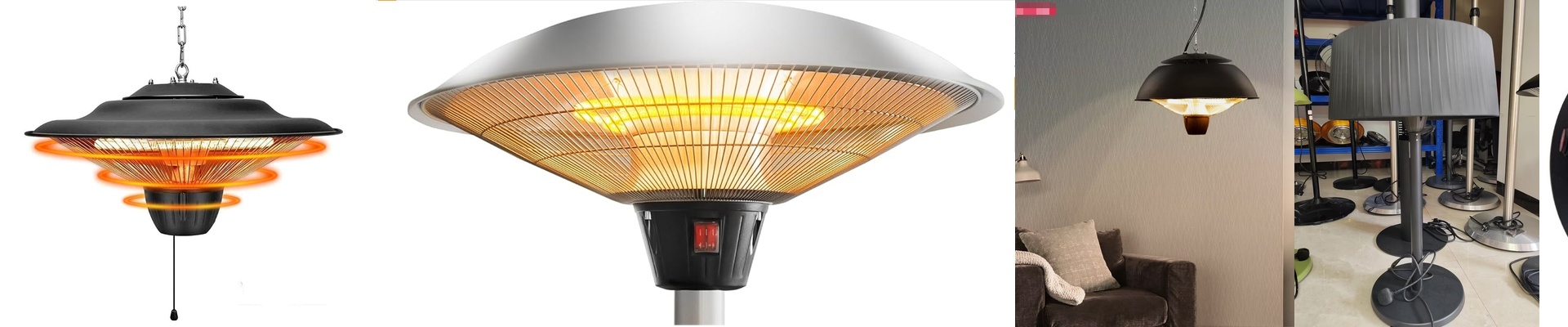
Most heaters try to warm up the air around you. That takes forever. Infrared is different. It sends out energy that hits you—and your furniture—directly. It’s basically like stepping into a patch of sunlight on a cold day. Because we use short and medium-wave emitters, there’s no “warm-up” period. Your smart hub triggers the relay, the filament glows, and you’re warm. Just like that.
Getting it connected
To get that “one-tap” feeling, we hook these heaters up using Wi-Fi or Zigbee relays. You can run everything from an app or a central hub. And here is a pro tip: we don’t just do “on” or “off.” By using PWM or SCR controllers, you can actually dim the heat. It’s the difference between a blast of heat and a gentle glow.
The honest truth about engineering
Look, IP65 sealing is great for bathrooms or patios, but it comes with a trade-off. Since the housing is waterproof, it’s basically airtight. That means heat can get trapped inside. If you crank the heater to max for hours on end, the internal temperature climbs. If you aren’t using the right wiring, that heat soak will eventually make your cable insulation brittle. It’ll crack, and that’s a problem you don’t want. To fix this, we always suggest adding an external temperature sensor. It’s a simple way to make sure the heater doesn’t kick in if it’s already 15°C outside. It saves you money on your power bill and keeps your heating element from burning out too soon.