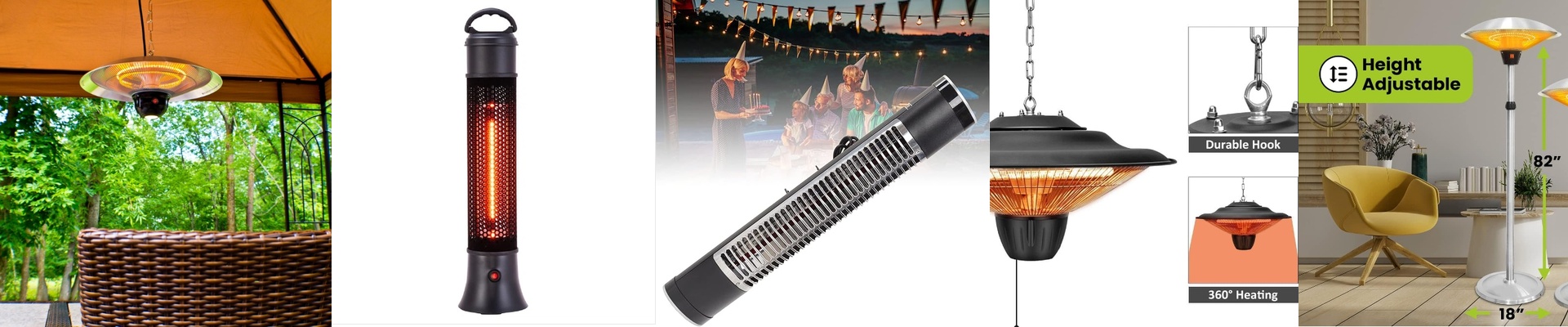
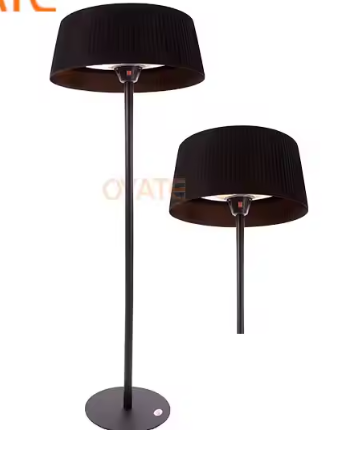
Why we build our outdoor heaters as “lego sets”
Let’s be honest: the outdoors is brutal. Between the rain, the dust, and those wild temperature swings, outdoor heaters take a beating. Eventually, a heating element is going to give out. It happens. But here is the problem with most heaters on the market: they’re usually welded shut or sealed so tight that if one tiny tube burns out, the whole thing is basically a giant piece of scrap metal. We thought that was ridiculous. So we did things differently.
The beauty of the “slide-in”
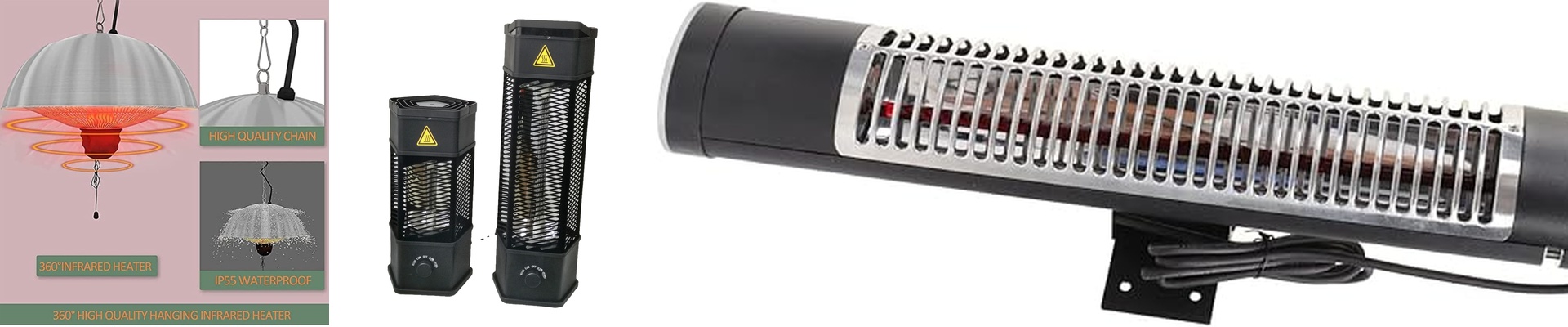
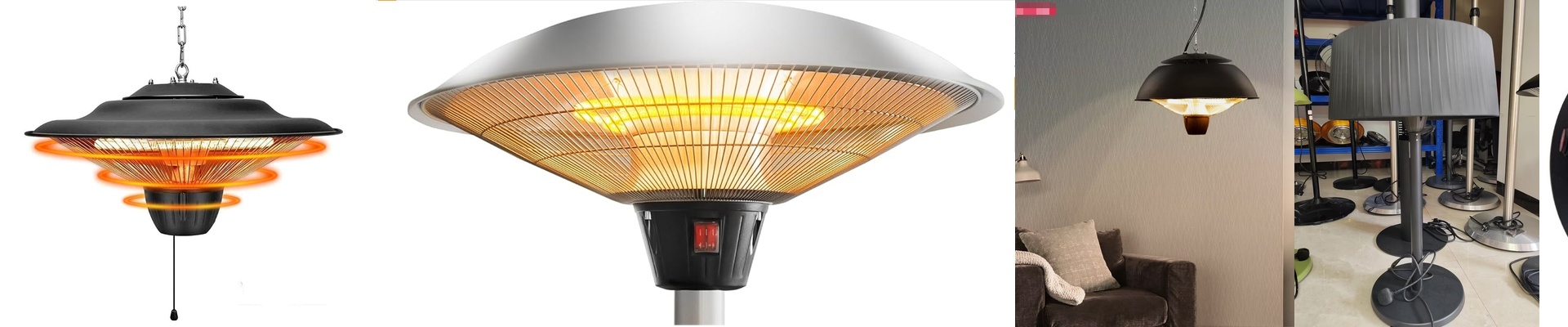
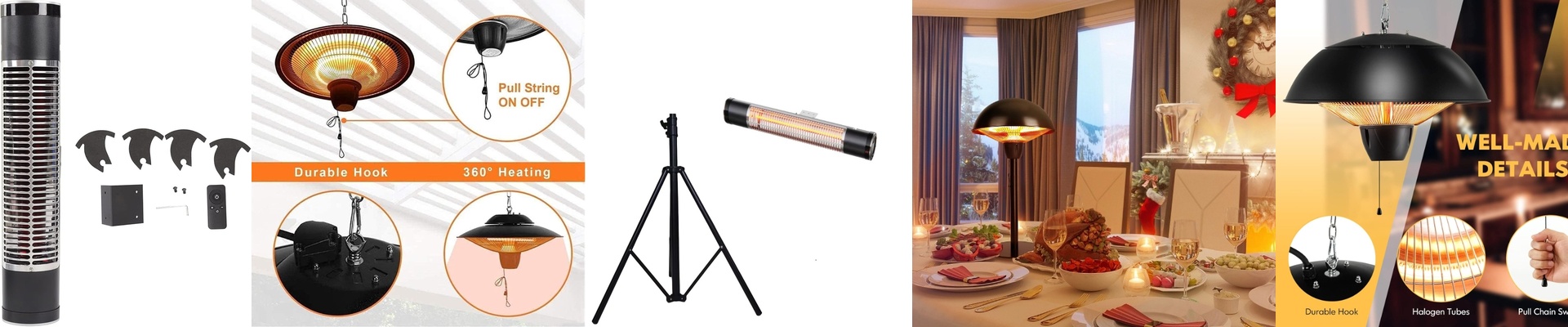
We went with a modular setup. Think of it like a cartridge. If a tube dies after five years of hard work, you don’t have to tear the whole machine apart or call in a specialist for a day-long project. You just pop the access panel, unplug the wires, and slide the old module out. Then you slide a new one in.That’s it. You go from “my patio is freezing” to “warm and cozy” in a matter of minutes, not days.
Keeping the rain out (without locking you out)
Usually, when a company says a heater is IP65 rated, it means they’ve sealed it like a tomb. Great for keeping water out, but a total nightmare if you actually need to fix something. We found a better way. We use precision-fit housings and compression gaskets. It’s a tight seal that keeps the electronics bone-dry, but it uses mechanical fasteners. This means a technician can actually get inside the unit without breaking the frame or ruining the weatherproofing.
The honest trade-offs
Now, look—no design is perfect. Because we use modules instead of hard-wiring everything into one solid block, we have more connection points. If you live right on the coast with salty air, those connectors can be a target for corrosion. To stop that from happening, we use gold-plated or nickel-coated terminals. It’s a bit more work on our end, but it means the connections actually last. The only catch? You have to make sure those gaskets are seated perfectly when you put it back together. If you just slap it shut, you’ll lose that IP65 protection.
The bottom line
We build these for the long haul. Instead of buying a whole new array of heaters every few years, you just keep a couple of spare tubes on the shelf. It keeps your storage footprint small and your maintenance bills even smaller.