Making Infrared Heaters That Won’t Blind You (or Short Out)
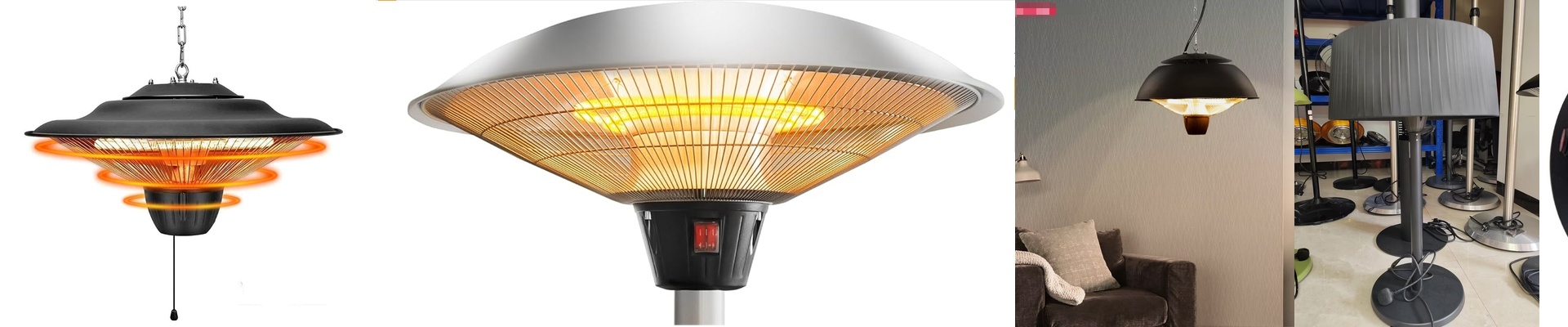
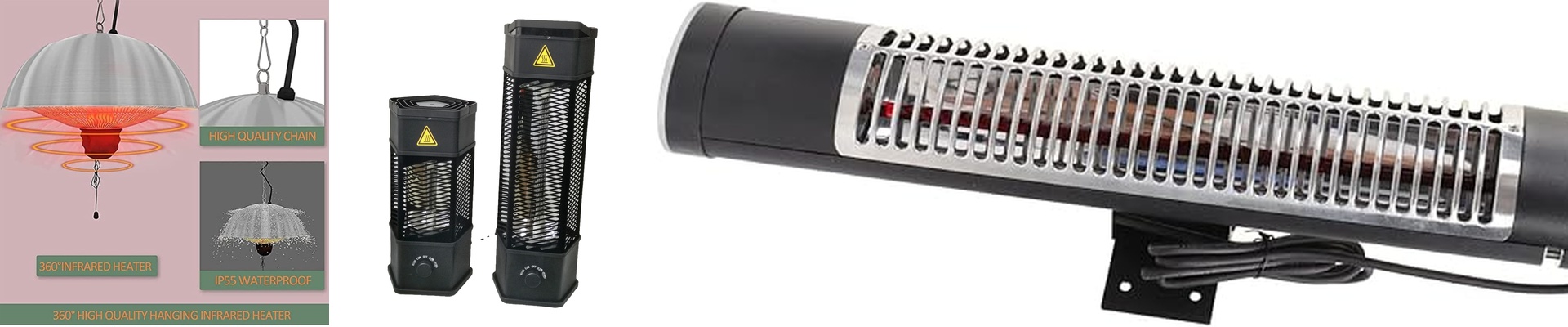
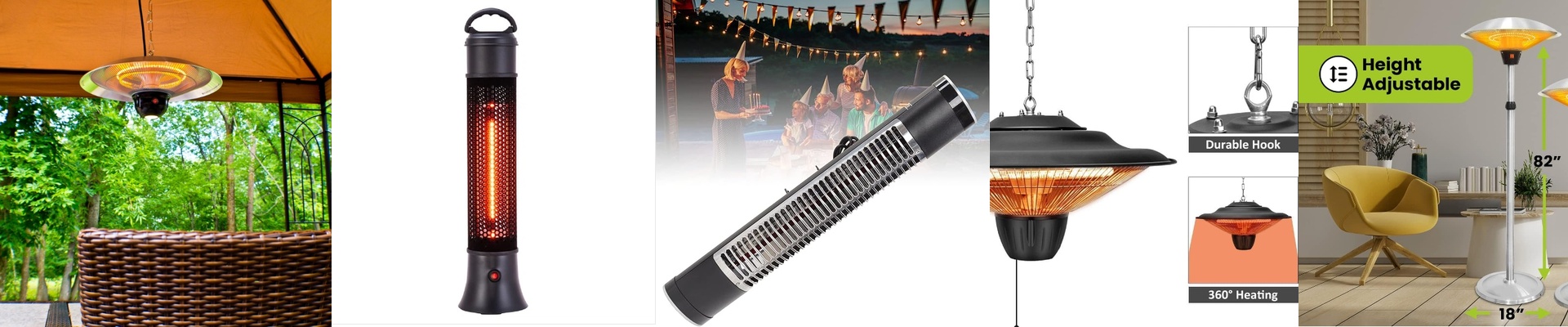
When we build heaters for bathrooms or outdoor tables, we’re fighting two main enemies: humidity and glare. You’ve probably seen those IP55 ratings on spec sheets. In plain English? It just means the housing is tough enough to keep out dust and can take a spray of water without turning into a giant spark plug. But in a bathroom, the water is only half the battle. The real problem is the light.
The “Blinding” Problem
Standard short-wave infrared lamps are bright. Like, really bright. If you’ve ever looked directly into one, you know that harsh, Blinding glare. It’s not just annoying—it can actually be dangerous for sensitive eyes, especially for babies. We fixed this by tweaking the light spectrum. Instead of just letting all that light fly out, we use special coatings and dopants in the quartz tubes. It basically filters out the aggressive “stabs” of visible light but lets the heat waves pass right through. The result is a soft, warm glow. You still get that cozy, deep heat on your skin, but you aren’t squinting the whole time. Sure, filtering the light means you lose a tiny bit of raw heat power, but it’s a trade-off worth making so you can actually use the thing in your home without worrying.
The Guts of the Machine
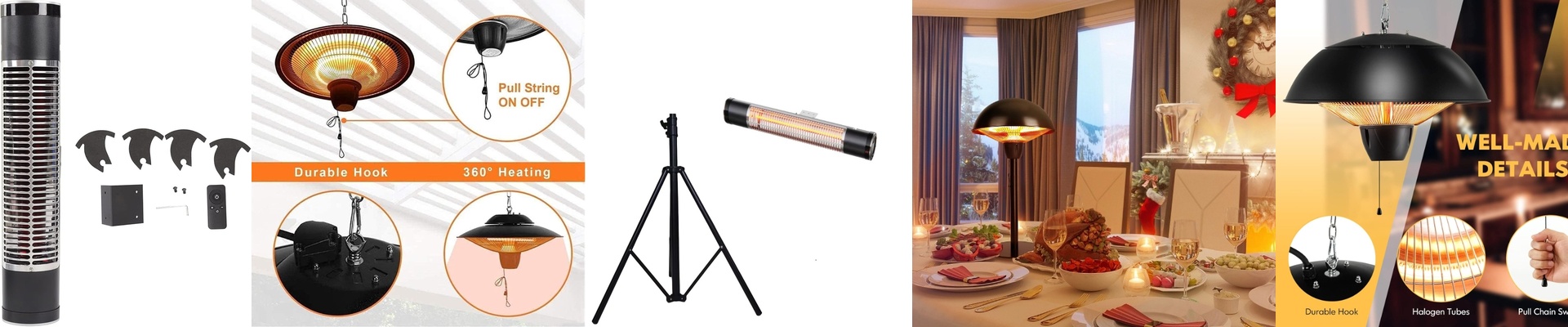
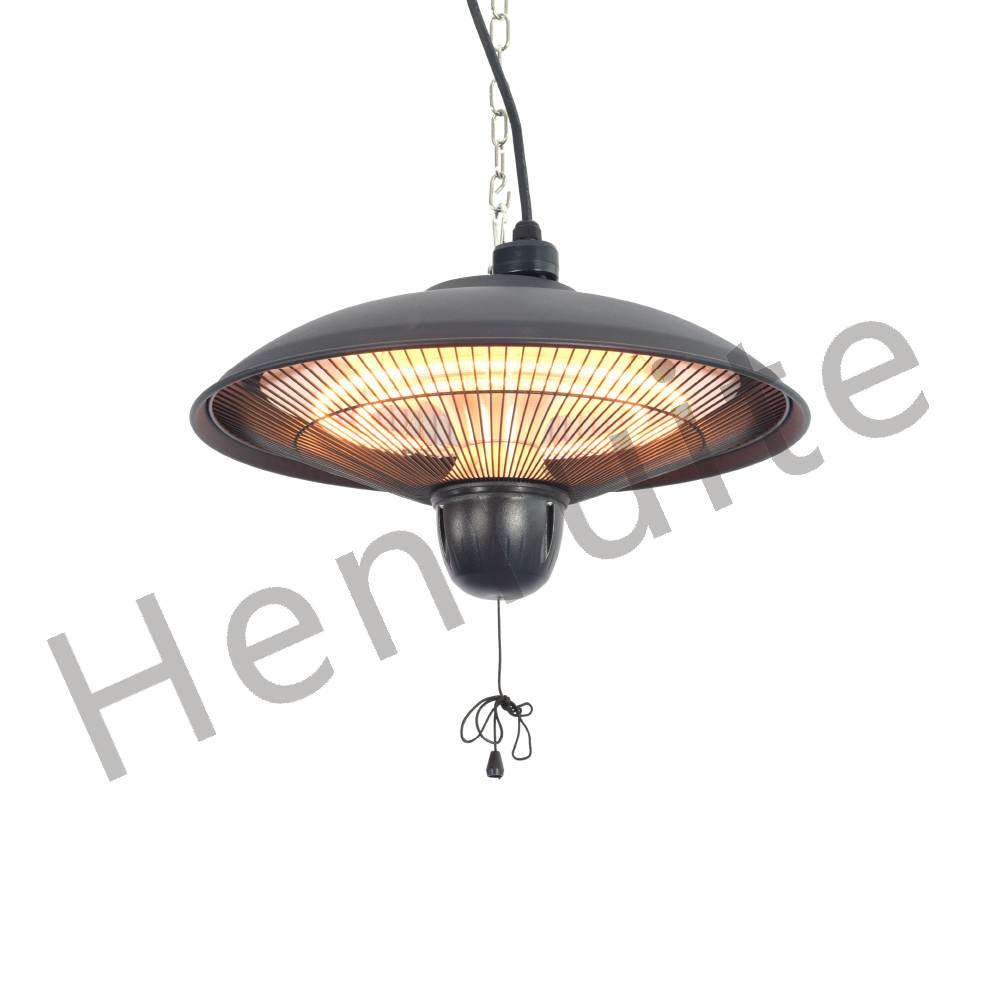
Getting that IP55 seal isn’t as simple as slapping some plastic over the electronics. We use heavy-duty silicone gaskets and sealed cable entries to make sure moisture stays far away from the electricity. Inside, we go with halogen-filled quartz tubes. The reason is simple: halogen lets the lamp run hotter without the filament snapping. It lasts longer and works harder.
A Few Tips for Installation
Here is a bit of a warning: that waterproof rating only works if the seal stays intact. If you decide to swap out our connectors for some third-party parts, you’re basically opening the door for water to get in. That’s a quick way to trip your GFCI breaker and ruin your morning. Stick with the factory-spec glands. Also, give the vents some breathing room. If you block the airflow, the internal thermal fuse will pop to save the unit from overheating, and then you’re left in the cold. Keep it clear, and you’re good to go.